
Topic
Lit and Luz Hits Year 13, and the Numbers Tell the Story
Chicago's bilingual arts festival returns with a week of free programming, one ticketed night at the MCA, and attendance figures that matter in a lean funding year.
Chicago's bilingual arts festival returns with a week of free programming, one ticketed night at the MCA, and attendance figures that matter in a lean funding year.
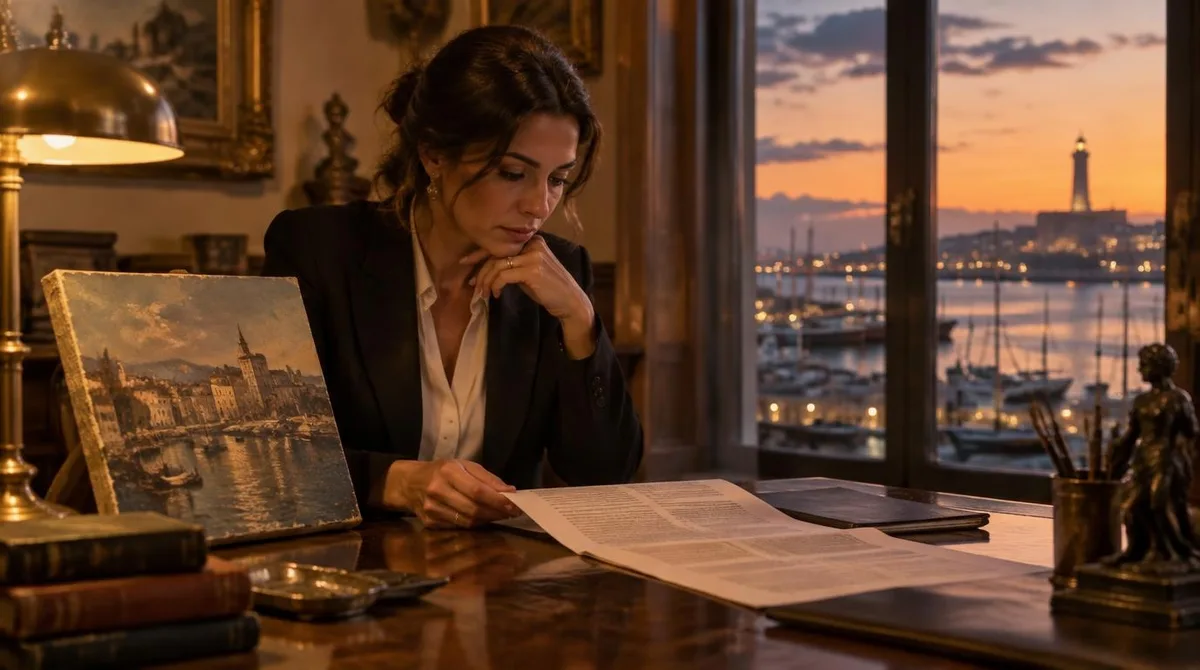
An art insurance policy is a contract like any other: premium in, defined promise out, and a claims adjuster testing the wording after a loss.
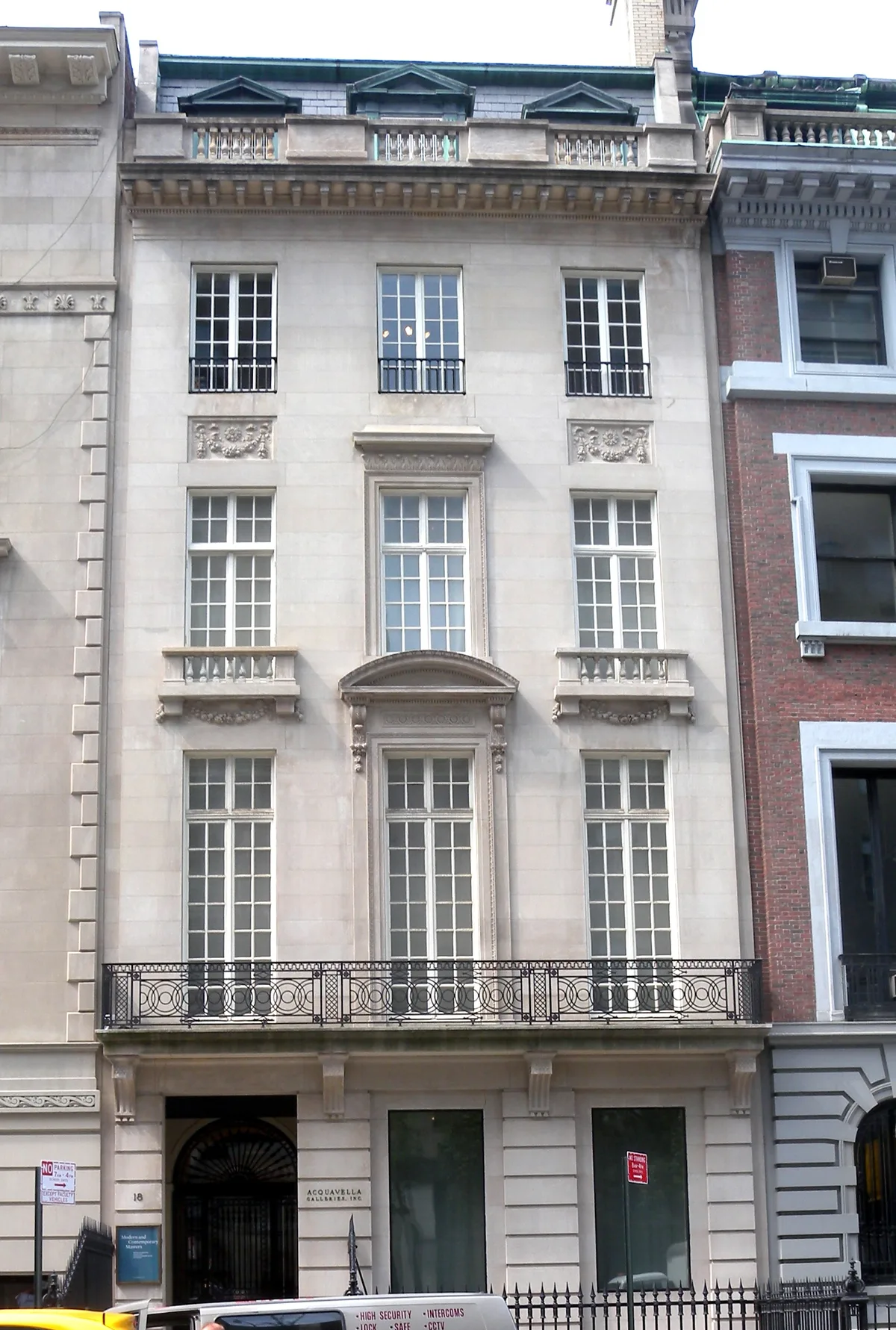
Chelsea holds over 200 galleries, SoHo's dealers left in the mid-1990s, and the Lower East Side grew some 200 outsider spaces at its 1980s peak.

Court records, not taste, separate homage from infringement: the Second Circuit's Koons and Prince rulings show how the fair use factors weigh borrowed work.
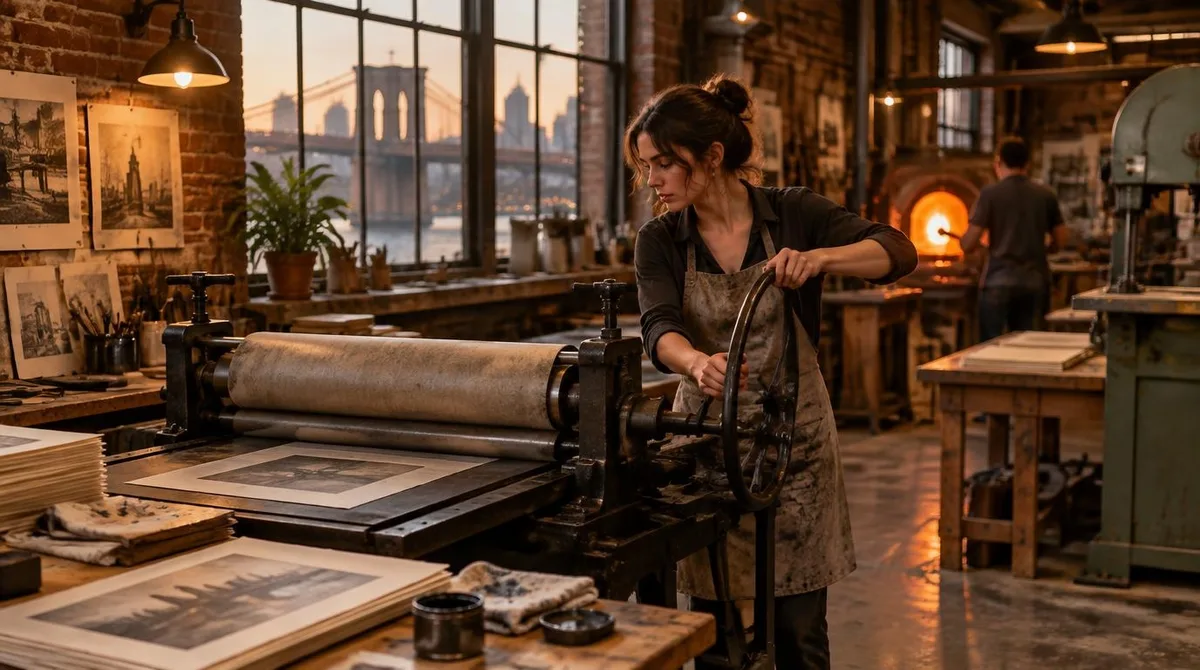
Shared shops like UrbanGlass and the Lower East Side Printshop give New York artists hours on furnaces and presses that no solo studio budget could carry.
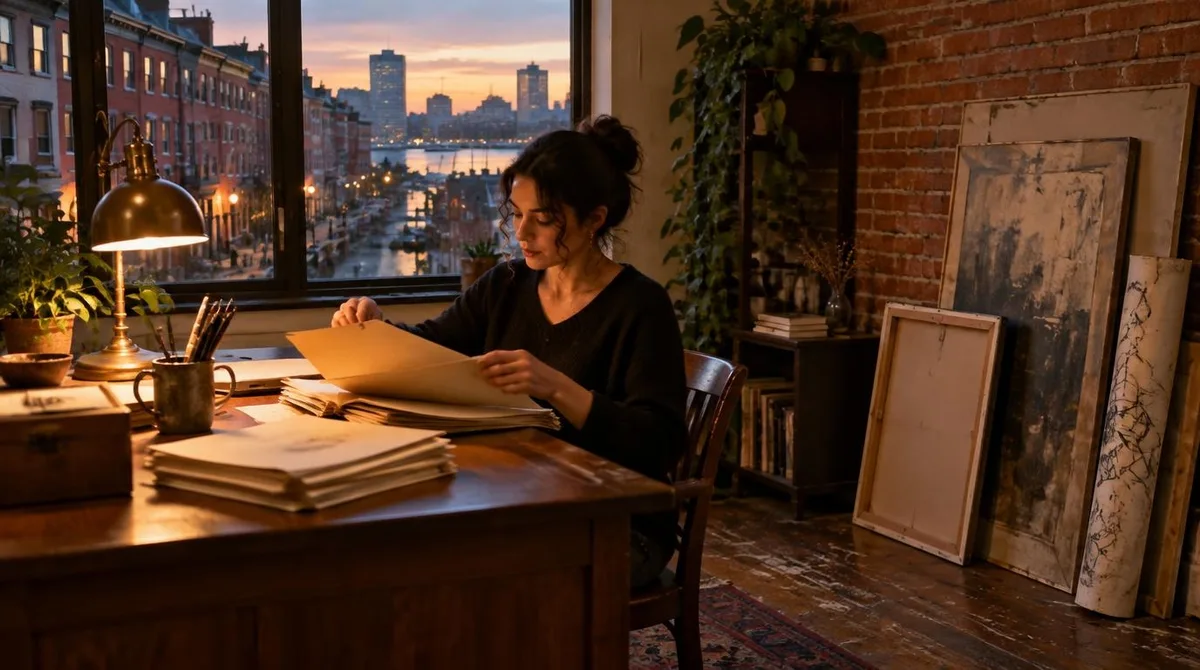
A Baltimore nonprofit just hit a 45-year milestone. Here's what organizations like it do for working artists, and why the model matters.
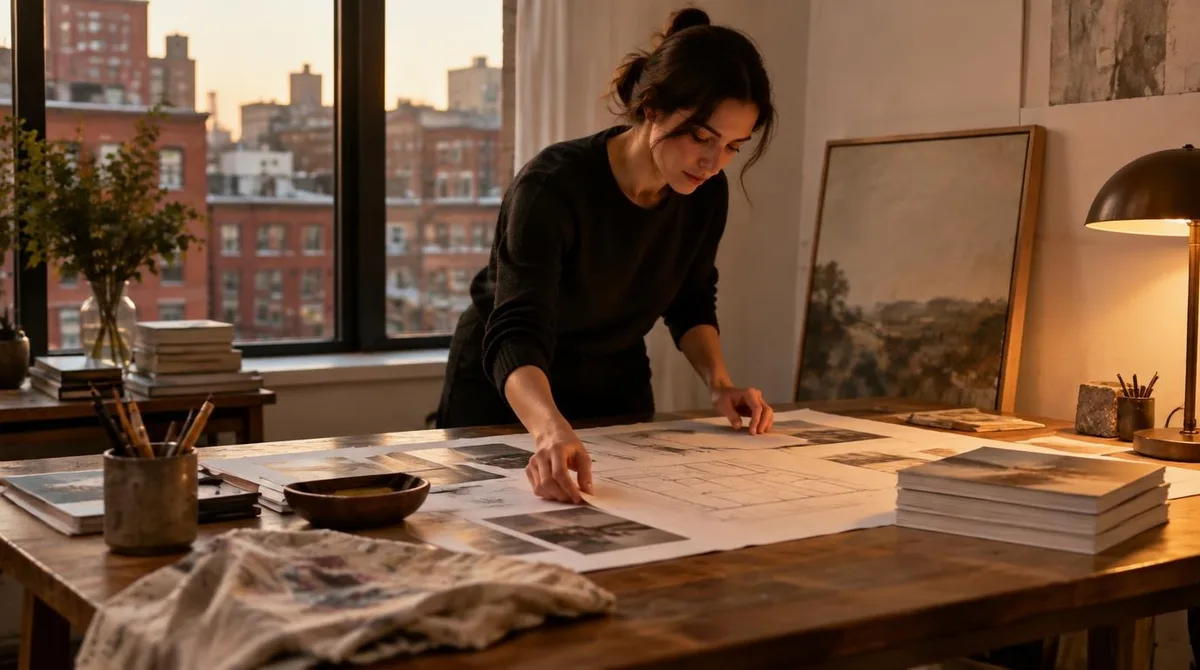
A plain-English glossary of the exhibition types you see on gallery walls, and what each one asks of the artist.

In 2006 Austria returned five Klimt paintings to Maria Altmann, the largest single return of Nazi-looted art in the country's record, nine years after the non-binding Washington Principles of 1998.
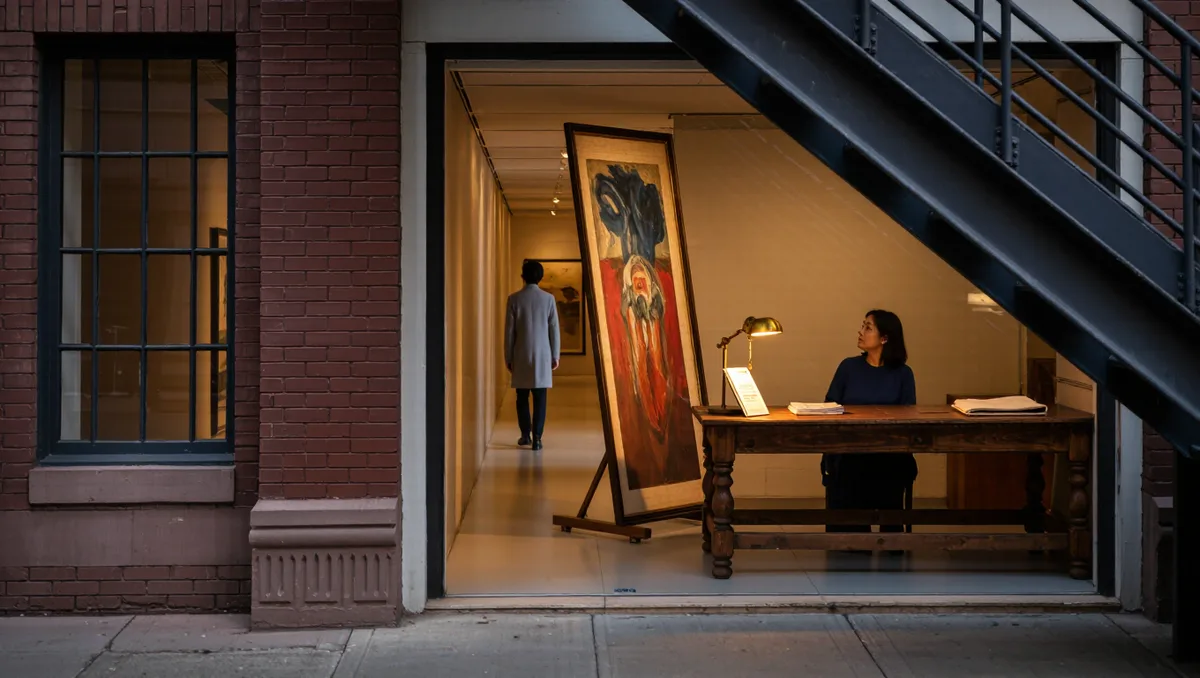
Commercial galleries are free, need no appointment, and welcome browsers; a first walk through West Chelsea's 200-plus doors needs only four moves.
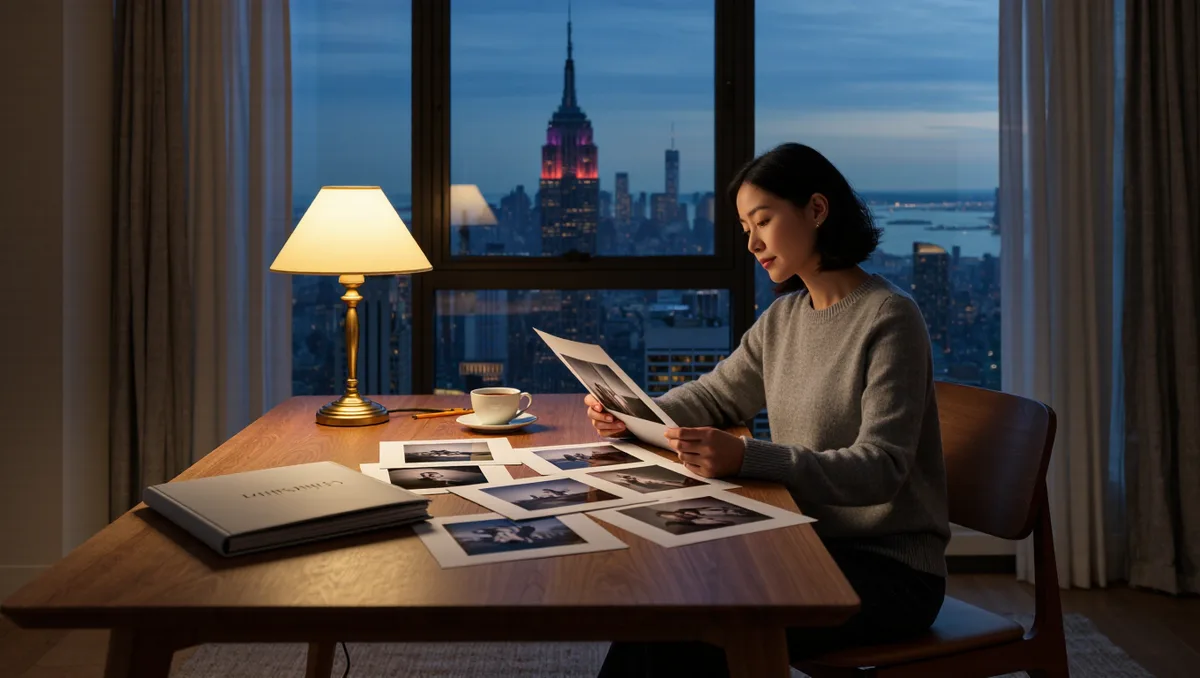
A noticed portfolio is a small edited image set, a plain statement, and documented work sent to fellowships and grants.