Bushwick Open Studios is an annual weekend event in which hundreds of artists in the Brooklyn neighborhood open their working spaces to the public — the 2024 edition catalogued over 400 artists and 150-plus sites across Bushwick and adjacent Ridgewood, per organizer Arts in Bushwick's published listings — and the way to do it is: pick a cluster of buildings, go Saturday afternoon, and talk to people in the stairwells. The event has run since 2006, volunteer-organized, free to attend. This guide covers the map, the etiquette, and what the weekend is actually for.
What it's for, first: artists selling modest work, finding studio-mates, and being seen by curators who do the walk. Everything below serves that.
When does it run and how do I get the map?
One weekend a year — historically June, with dates announced by Arts in Bushwick on its site and listings each spring. The map is the whole game: it's a searchable online catalogue of every registered studio, with building addresses and artist pages. Print or screenshot your route before you go; cell service inside the industrial buildings is unreliable. Registration for artists typically opens in spring, per the organization's posted timeline.
Where do I start the walk?
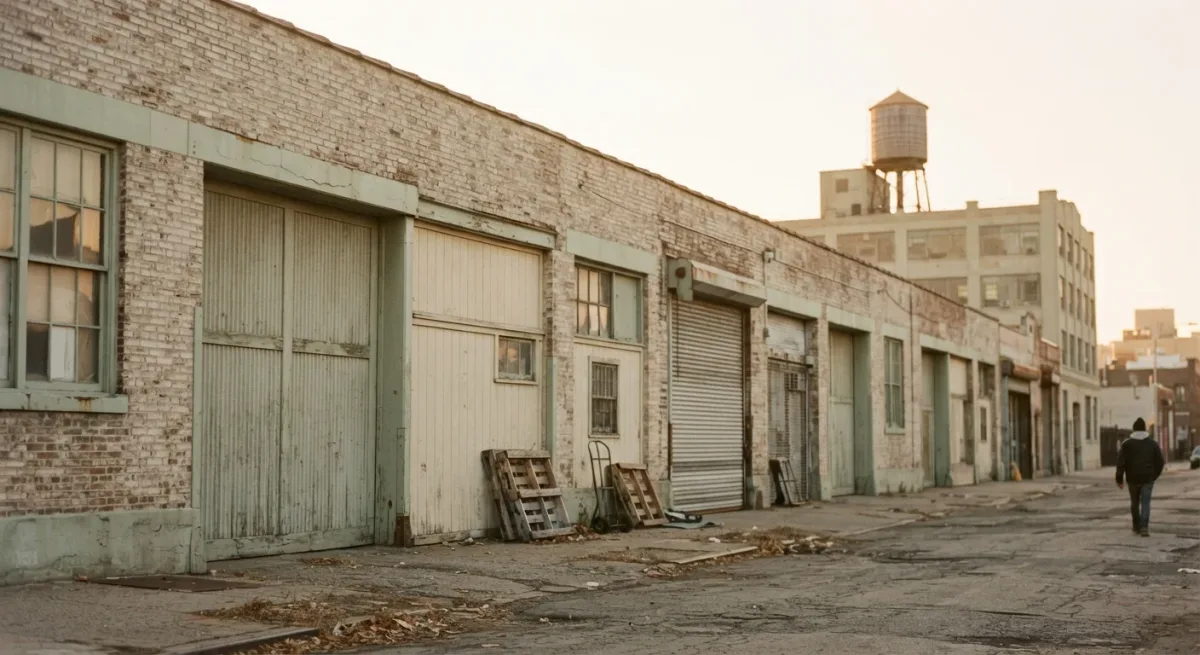
The Morgan Avenue corridor. The L train's Morgan stop drops you into the densest cluster — the historic industrial loft buildings around Flushing Avenue, Troutman Street, and Saint Nicholas Avenue that house much of the neighborhood's studio stock, a geography documented in the city's own industrial-retention studies of North Brooklyn. From there the walk fans out: Jefferson Street toward Ridgewood, where the studio stock continues across the Queens line, and the Morgan blocks toward the galleries and project spaces along Flushing. A realistic day covers six to ten buildings, not forty; the art is in the stairwells as much as the studios.
What is studio etiquette at BOS?
The unwritten rules, confirmed by the organizers' guidance and a decade of practice. Studios are working spaces, not galleries: ask before photographing work, and assume prices are negotiable only if the artist raises them. Buying is welcome — much of it is modestly priced work that supports rent — and so is just looking; the weekend exists for both. The single best move is the simplest: say what stopped you at the door. Artists spend the weekend hoping someone asks a real question. And yet — the event is free, and the organization is volunteer-run; the after-parties and benefits are where the weekend's economics close.
How did the event start, and why does it matter?
Arts in Bushwick formed in 2006 as a volunteer collective amid the neighborhood's first wave of artist displacement from Williamsburg, per the organization's own published history — the event began as an open-studios weekend tied to that organizing. The pattern since is documented in the city's housing data: as rents rose through the 2010s, the studio stock pushed east — Bushwick proper, then Ridgewood — and BOS followed, absorbing Queens addresses into its map. That is the event's quiet subject every June: a census, taken one weekend a year, of where New York's artists can currently afford to stand.
What should I actually look for in a studio?
Work in progress, not finished walls. The studios that reward a slow look show the process — studies beside finished pieces, the misfires kept visible, the studio itself as an installation of decisions. Check the building's common halls too: artist-run spaces and collectives frequently share floors, and the hallway group show is a BOS genre of its own. Bring cash for small work and zines; card readers exist but cash moves faster on a crowded Saturday.
What if I want to show — or find a studio — through BOS?
Artist registration opens in spring through the Arts in Bushwick site, per the organization's timeline, and there is no jury — the event's founding structure is open registration, which is why the map spans recent MFA graduates and neighbors who have painted for forty years. For studio-seekers, the weekend doubles as an informal market: buildings with multiple vacancies post notices, and studio-mates advertise on the walls. It is the single best day of the year to see what a Ridgewood loft actually costs and feels like before you sign anything.