
Artists
How to Build an Artist Portfolio That Gets Noticed
A noticed portfolio is a small edited image set, a plain statement, and documented work sent to fellowships and grants.
Extended profiles of contemporary artists, reported from the studio and the install rather than the press kit. Each piece covers method, materials, influences, representation and the practical shape of a working life. Intended for collectors, curators and artists who want to understand a practice before judging it.
Extended profiles of contemporary artists, reported from the studio and the install rather than the press kit. Each piece covers method, materials, influences, representation and the practical shape of a working life. Intended for collectors, curators and artists who want to understand a practice before judging it.
A noticed portfolio is a small edited image set, a plain statement, and documented work sent to fellowships and grants.
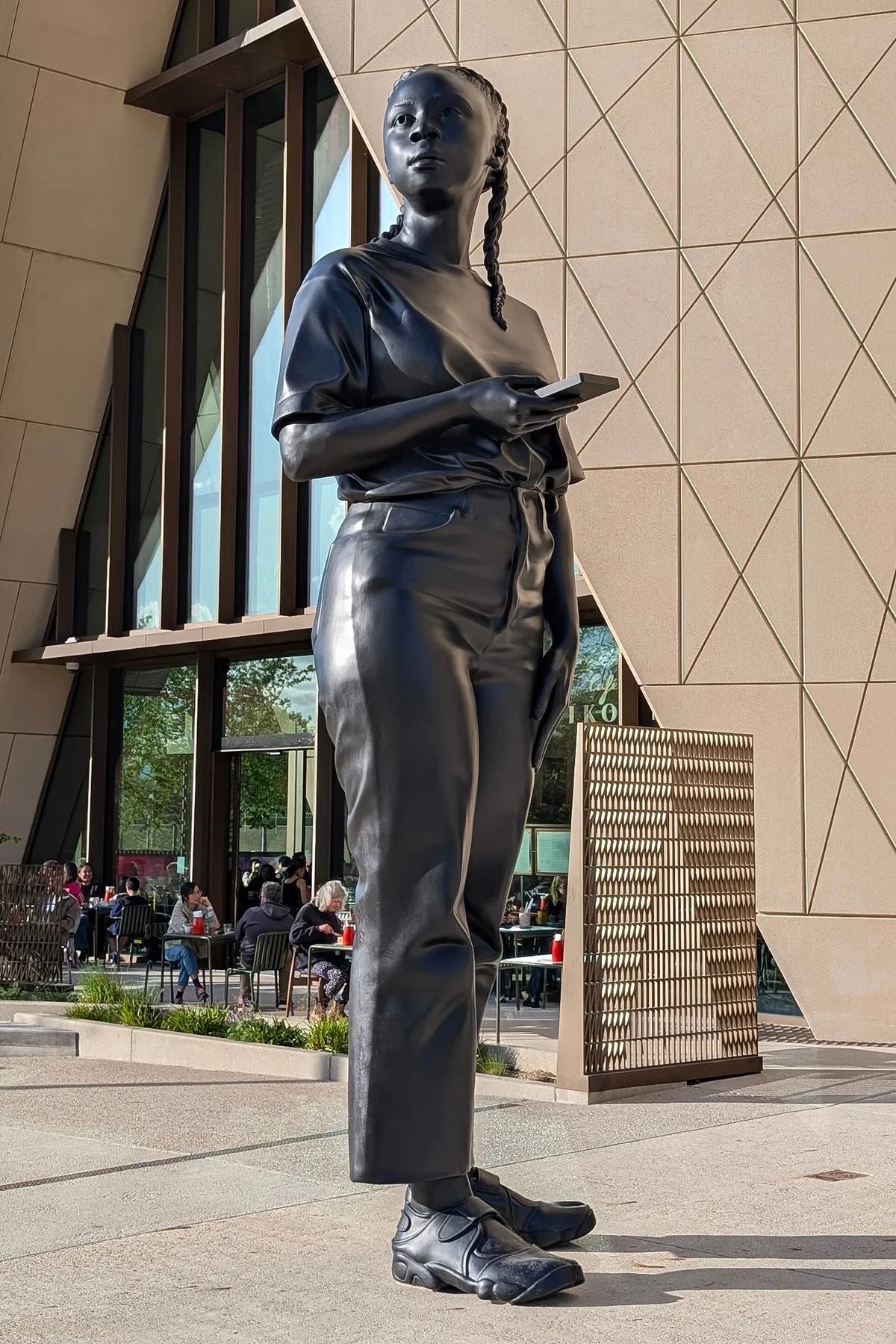
Galleries typically keep 25 to 50 percent of a sale, and consignment keeps ownership and risk with the artist until a buyer pays.
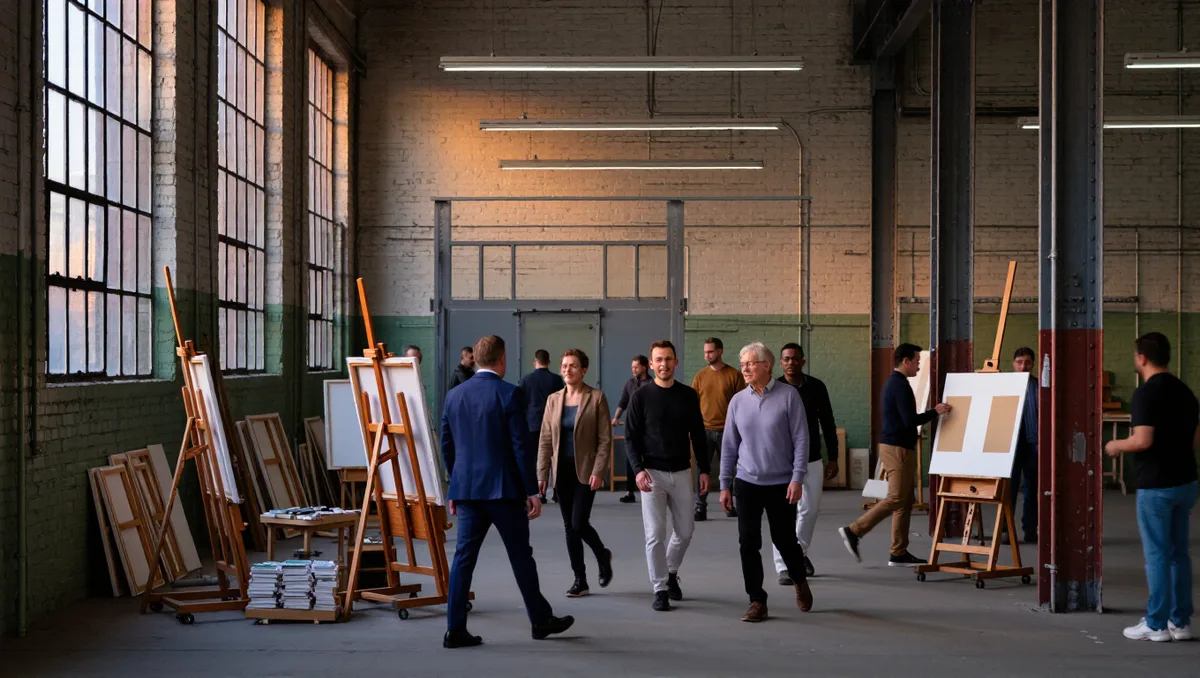
The honest case for and against the MFA, and what actually builds a career either way.

New York puts real money behind individual artists — the DCLA's funding stream, NYFA fellowships, and borough arts council grants — and the honest guide is which ones pay what, when, and who actually gets them.

Materials for the Arts runs a free warehouse in Long Island City stocked with donated fabric, paint, and furniture — here's who actually qualifies to shop it, and how an artist without a nonprofit gets in.

State money, city money, and a nonprofit go-between: a plain look at where public arts funding for working artists actually comes from in New York.
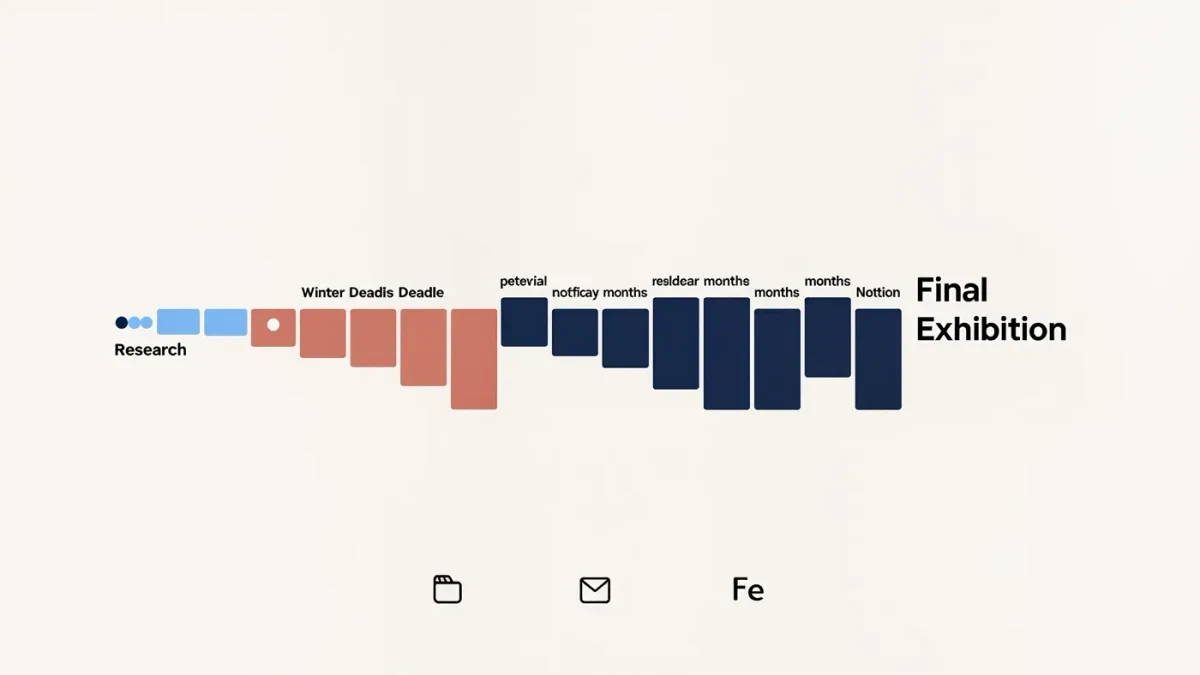
New York-area residencies trade selected artists time, space, and sometimes money for an application and a commitment — here is what they cover and how artists get in.
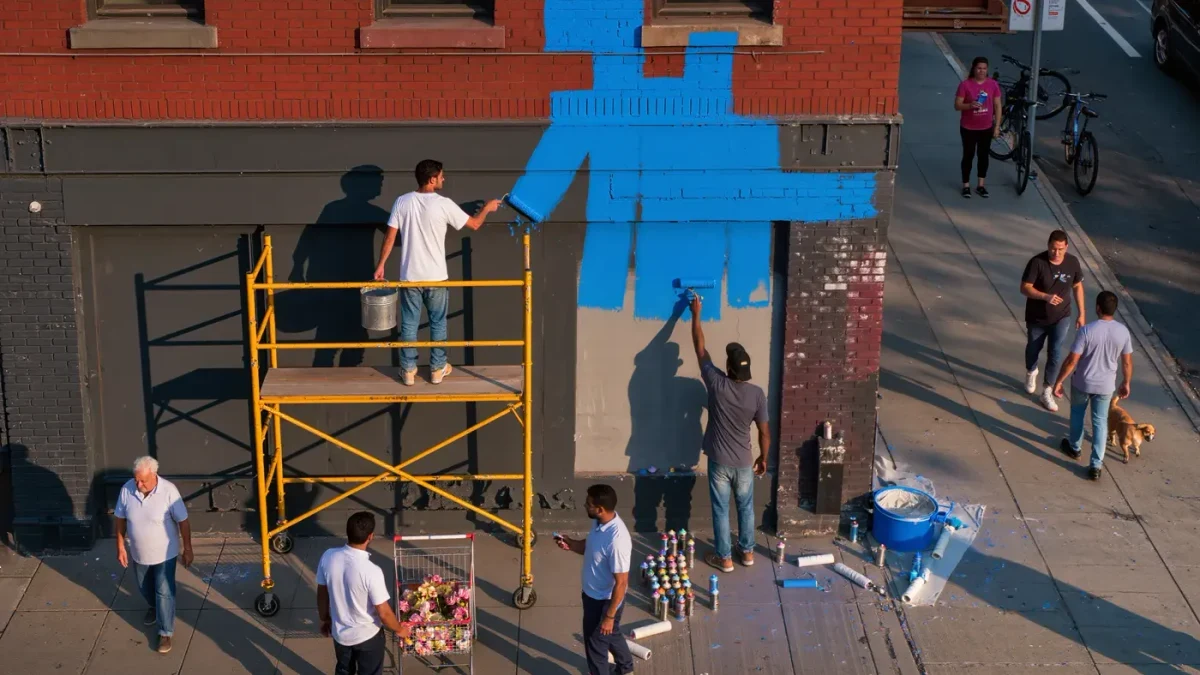
From SAMO tags to Annina Nosei's gallery in 1981, the wall-to-white-box crossing is old news — the modern question is how to make it without losing the block.
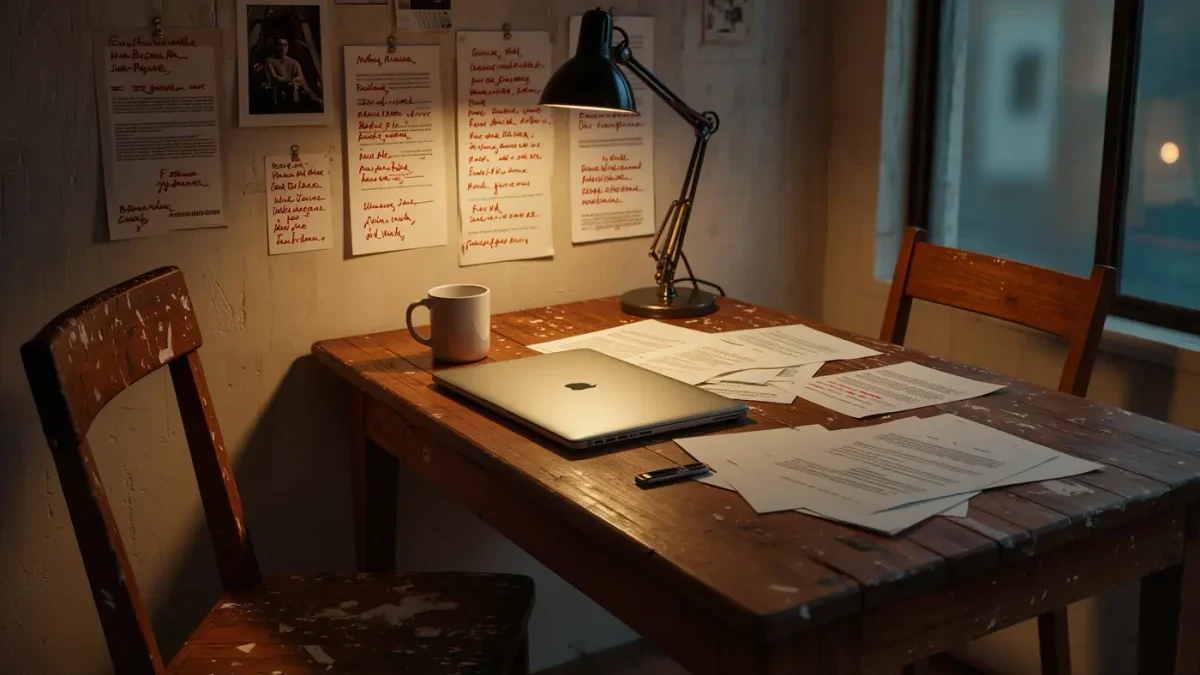
A working statement says what the art is, what it is made of, and why it matters — in plain sentences a tired juror can read in under a minute.
Outside Manhattan, group shows run on open calls, referrals, and familiarity — here is how Brooklyn and Queens exhibitions actually get assembled.