The line between homage and theft is not a feeling. It is a body of court rulings. In 1992 the Second Circuit found Jeff Koons liable for copying a photographer's greeting-card picture into a sculpture. In 2013 the same court found that many of Richard Prince's borrowed works were transformative fair uses.
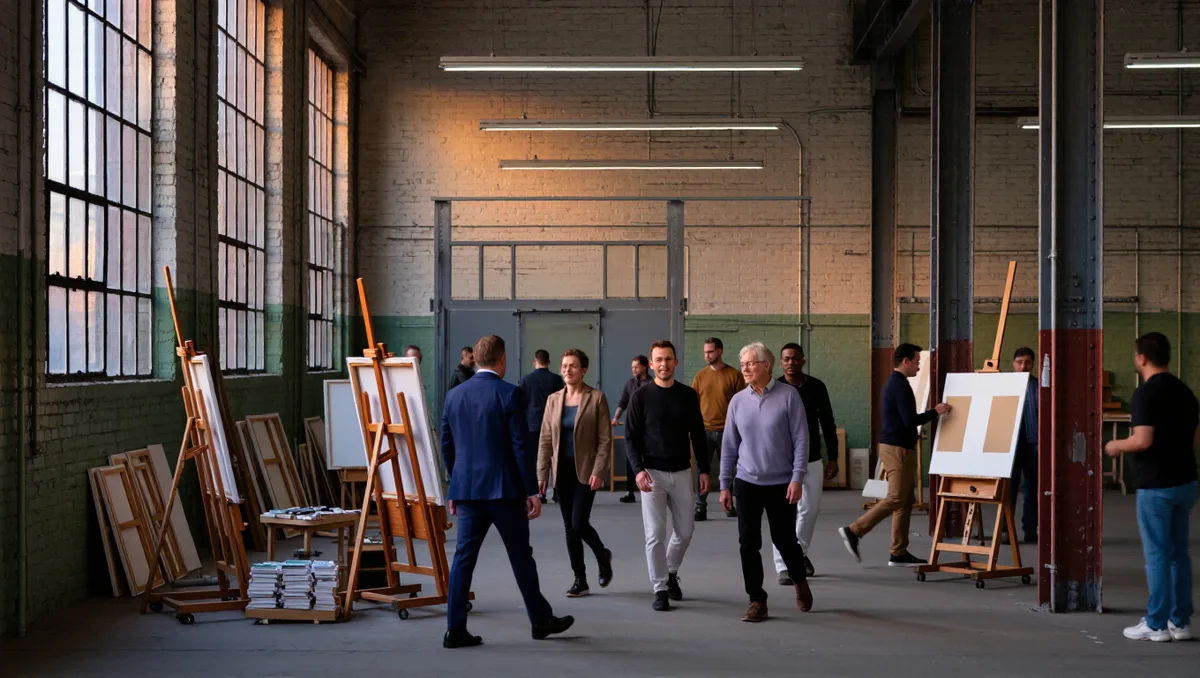
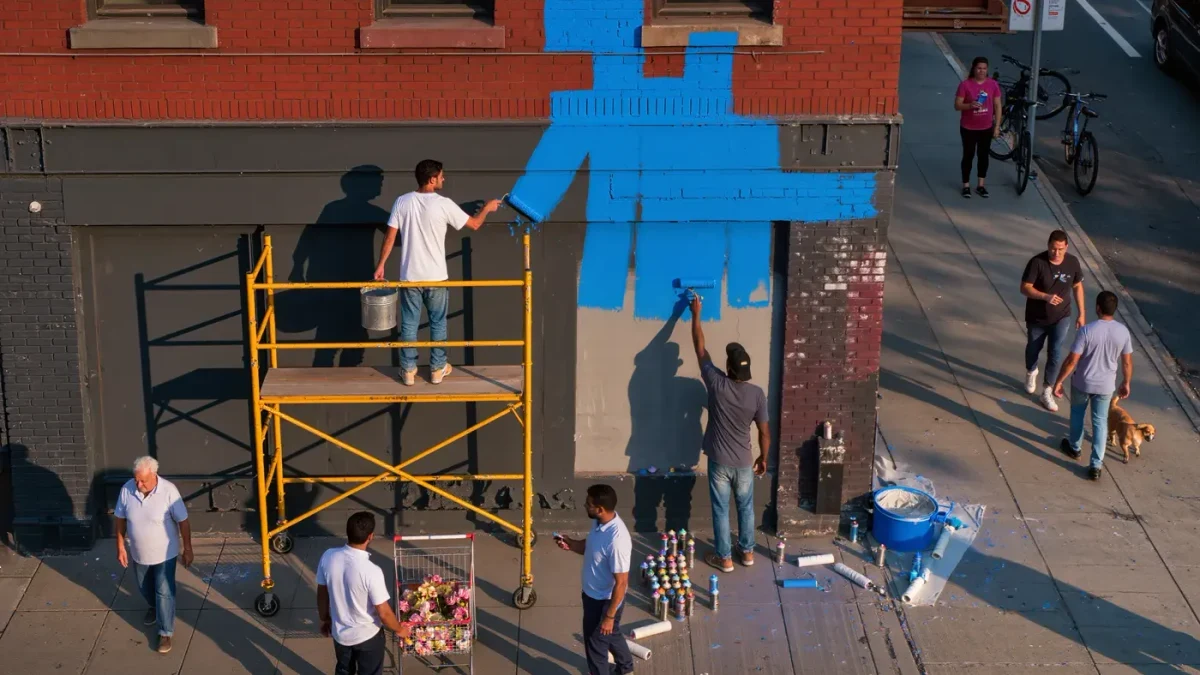
Both cases came out of New York courts, and both grew from studio habits that working artists recognize: a picture pinned to the wall, an idea pushed until it turns into something new. What separates a respectful nod from an infringement claim is documented, factor by factor, in the public record. Here is what that record says. We covered a connected angle in Why New York Artists Keep Day Jobs.
What Does the Law Ask About Borrowed Work?
United States copyright law carries a built-in exception called fair use. Wikipedia's overview describes it as a flexible proportionality test that examines four things: the purpose of the use, the nature of the copyrighted work, the amount used, and the impact on the market of the original. The statute, 17 U.S.C. Section 107, lists criticism, comment, news reporting, teaching, scholarship, and research among the purposes that can qualify.
No single factor decides a case. Courts weigh the stack, and outcomes move with context. That is why two artists can borrow in the same spirit and meet different fates.
Which Court Cases Show the Line in Action?
Rogers v. Koons set the cautionary tale. Photographer Art Rogers shot a picture of a couple holding a litter of puppies, and it circulated on greeting cards. Jeff Koons built a sculpture, String of Puppies, from a postcard of the shot, told his assistants to copy the detail, and sold three copies for a total of $367,000.
The Second Circuit found the similarity so close that an average observer would recognize the copying, and it rejected the parody defense, because Koons was not commenting on Rogers' picture itself. He could have made his point without that specific photograph. The parties later reached a confidential settlement.
Cariou v. Prince cut the other way, mostly. Photographer Patrick Cariou published Yes, Rasta, a book of portraits from Jamaican Rastafarian communities, in 2000. Richard Prince built his Canal Zone series on those photographs and showed it at Gagosian Gallery in New York. In 2013, the Second Circuit held that many of Prince's works were transformative fair uses, sent five back for another look, and the case settled in 2014.
In both files, the courts kept returning to the same machinery: what the borrowing added, and what it threatened on the market for the original.
What Can Studio Artists Document From Day One?
The documented factors all reward evidence. Notes on where an image came from support the purpose question. Dated drafts that show an idea changing speak to transformation, the question courts kept testing. Saved permissions settle the amount issue before it starts. None of that paperwork makes a borrowing lawful on its own. It lets a court see the working process the artist remembers.
Credit has a role too, but a narrow one. Naming a source artist is basic courtesy, and the Koons file shows how concealment reads: the copyright label came off the borrowed postcard before the assistants got to work. Still, the four statutory factors never ask whether anyone was thanked. Credit is not a license. Readers following this should also see How Artist Residencies in New York Work.
Conclusion: Where Borrowing Ends, the Record Begins
Homage and theft are not opposites split by taste. They are endpoints on a legal spectrum that courts map with four questions: purpose, nature, amount, and market harm. Koons ran past the map and lost on the factors. Prince stayed partly inside it, and most of his series held. The studio lesson is unglamorous. Track sources, date the drafts, keep permissions, and let the record argue when memory cannot.