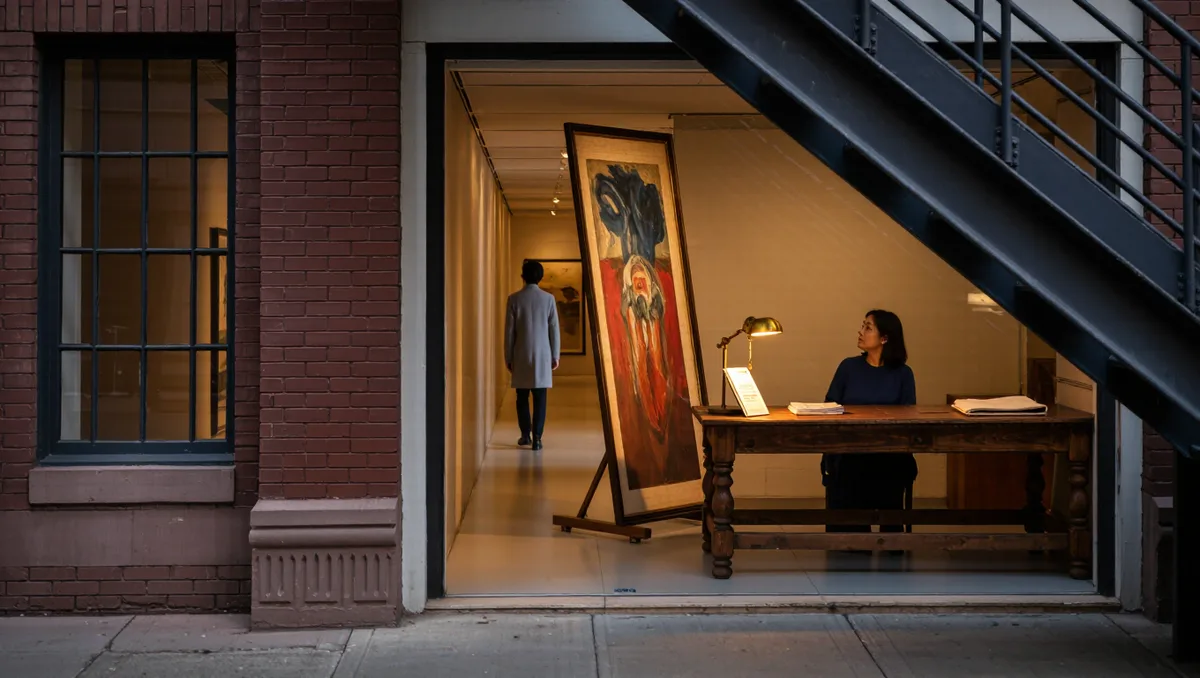
A First-Timer's Guide to Walking Into a Gallery
Commercial galleries are free, need no appointment, and welcome browsers; a first walk through West Chelsea's 200-plus doors needs only four moves.
Commercial galleries are free, need no appointment, and welcome browsers; a first walk through West Chelsea's 200-plus doors needs only four moves.
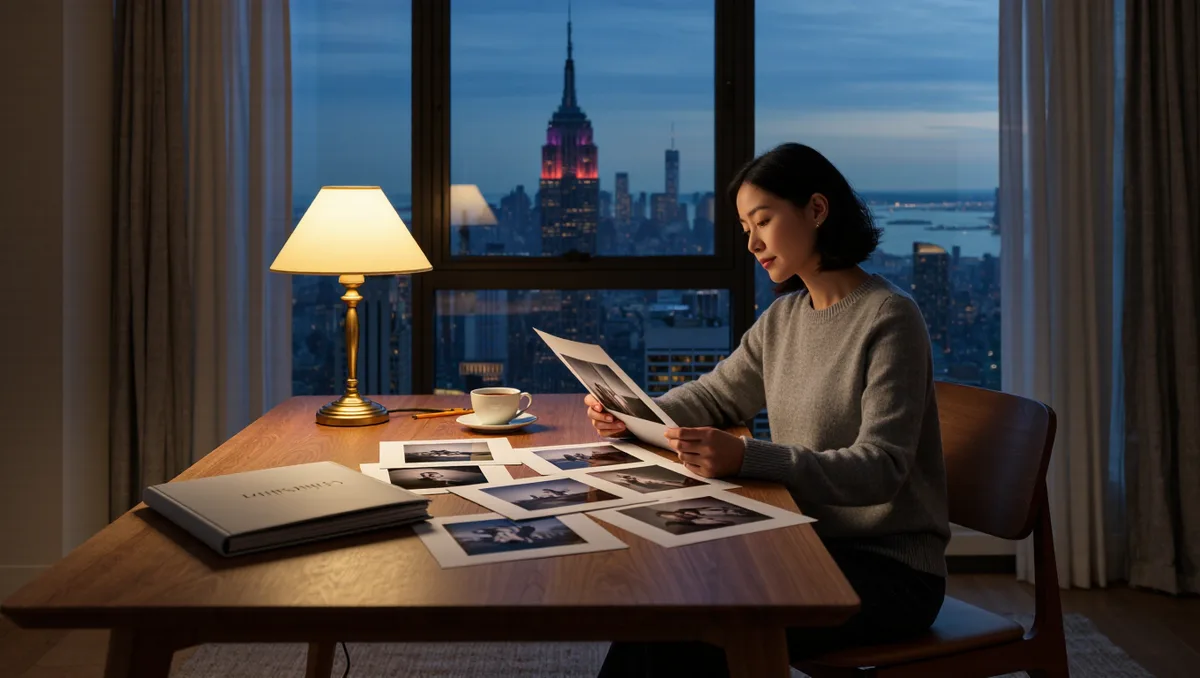
A noticed portfolio is a small edited image set, a plain statement, and documented work sent to fellowships and grants.
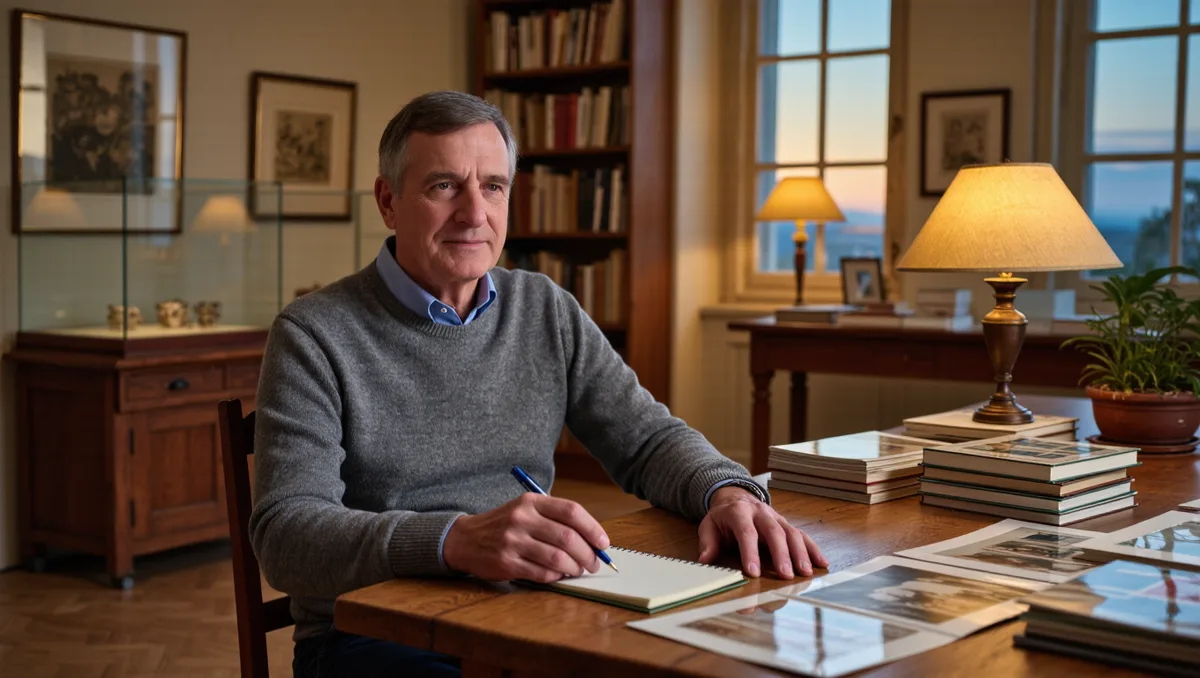
Retrospectives gather an artist's work across decades, staged late for the long view, and Canada's documented fee fight put pay behind the honor.
Marfa, Beacon, and Provincetown each turned cheap space and one committed institution into small-town economies that run on art.
Galleries typically keep 25 to 50 percent of a sale, and consignment keeps ownership and risk with the artist until a buyer pays.
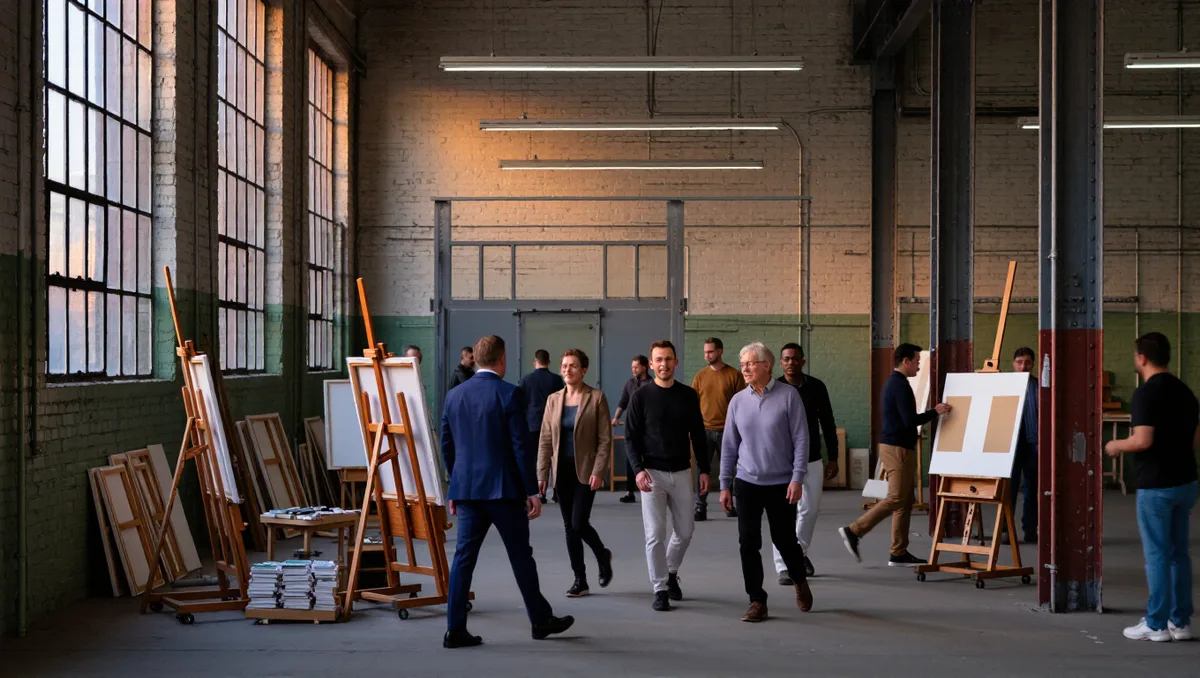
The honest case for and against the MFA, and what actually builds a career either way.

New York puts real money behind individual artists — the DCLA's funding stream, NYFA fellowships, and borough arts council grants — and the honest guide is which ones pay what, when, and who actually gets them.
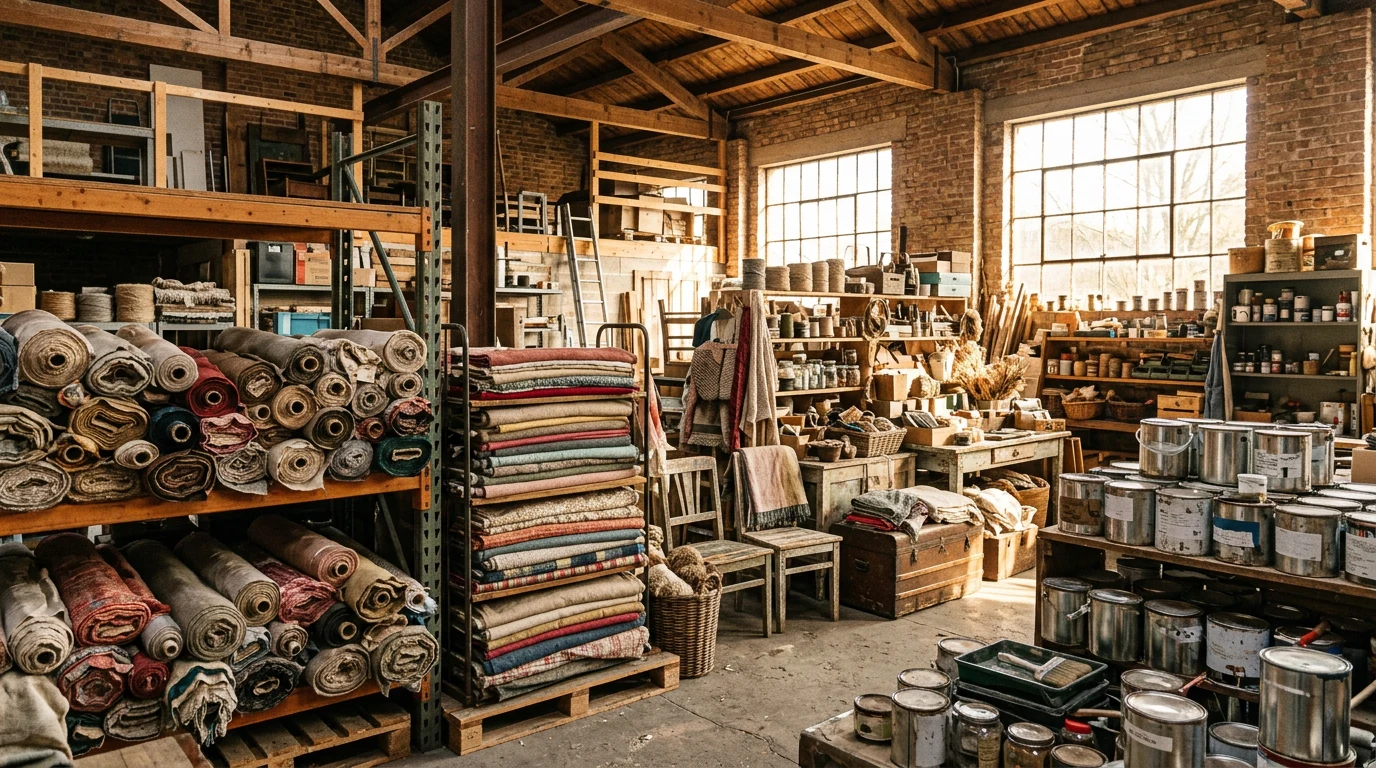
Materials for the Arts runs a free warehouse in Long Island City stocked with donated fabric, paint, and furniture — here's who actually qualifies to shop it, and how an artist without a nonprofit gets in.
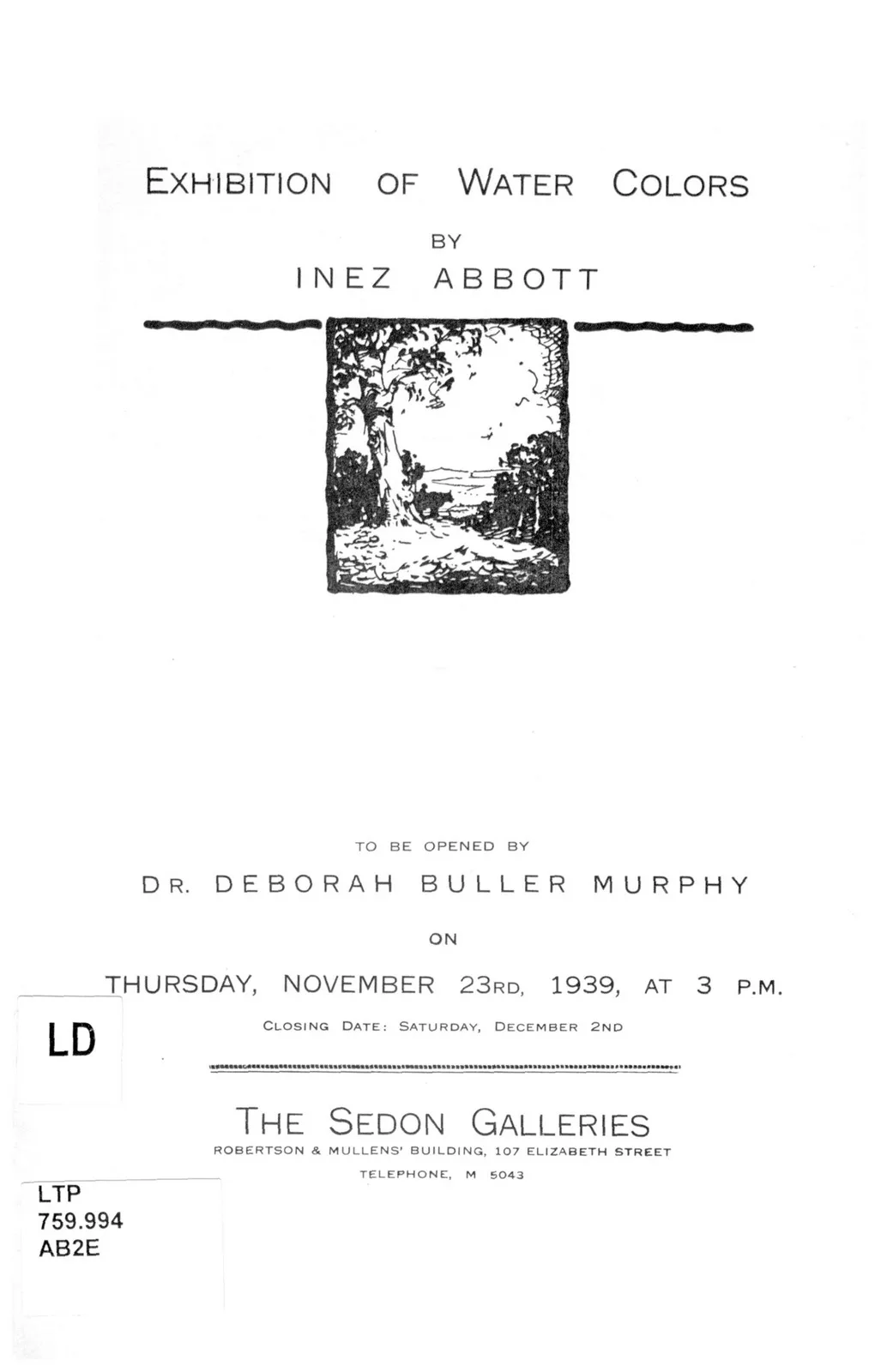
An exhibition ends, but its catalogue stays on the shelf. Here is how these books are made, what goes inside, and who covers the cost.
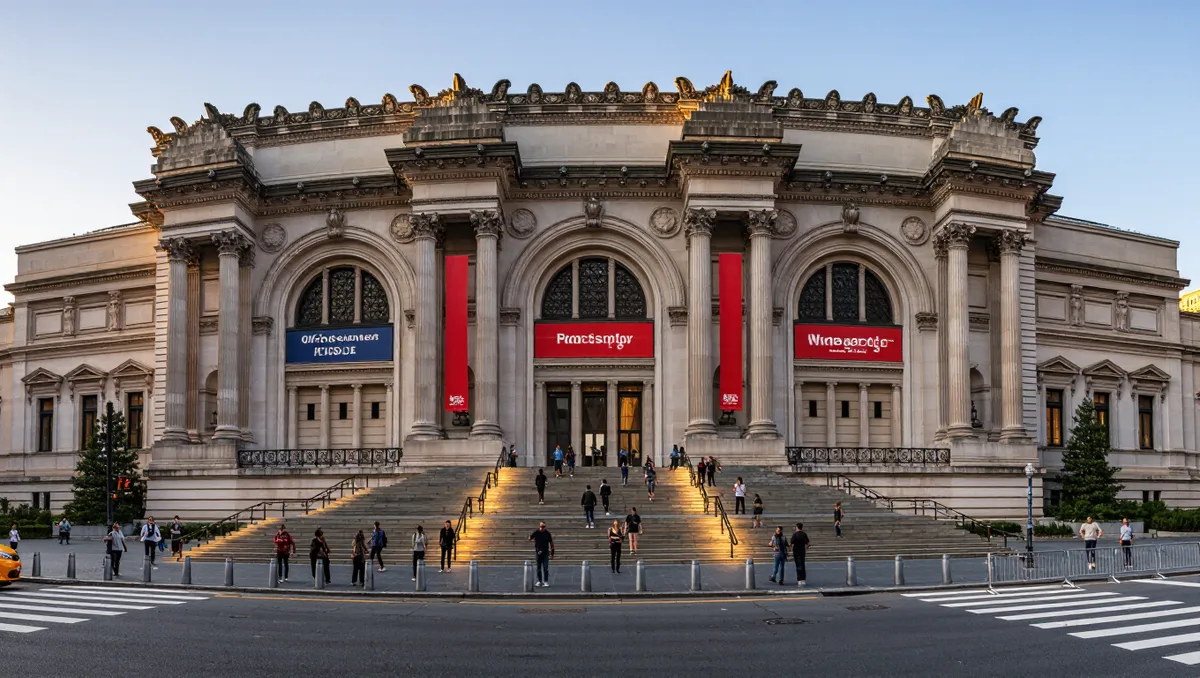
New York's major collections are cheaper than the ticket counter suggests — if you know which door to use.
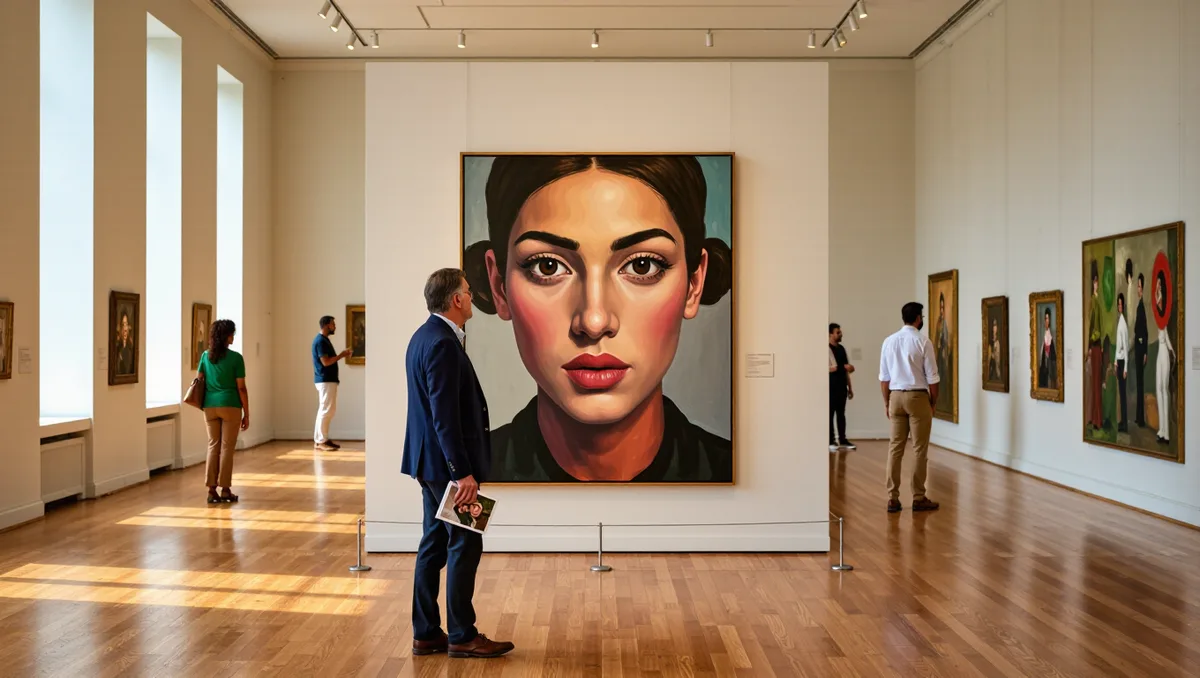
Most people see too much and remember too little. A slower, smaller museum visit fixes both.
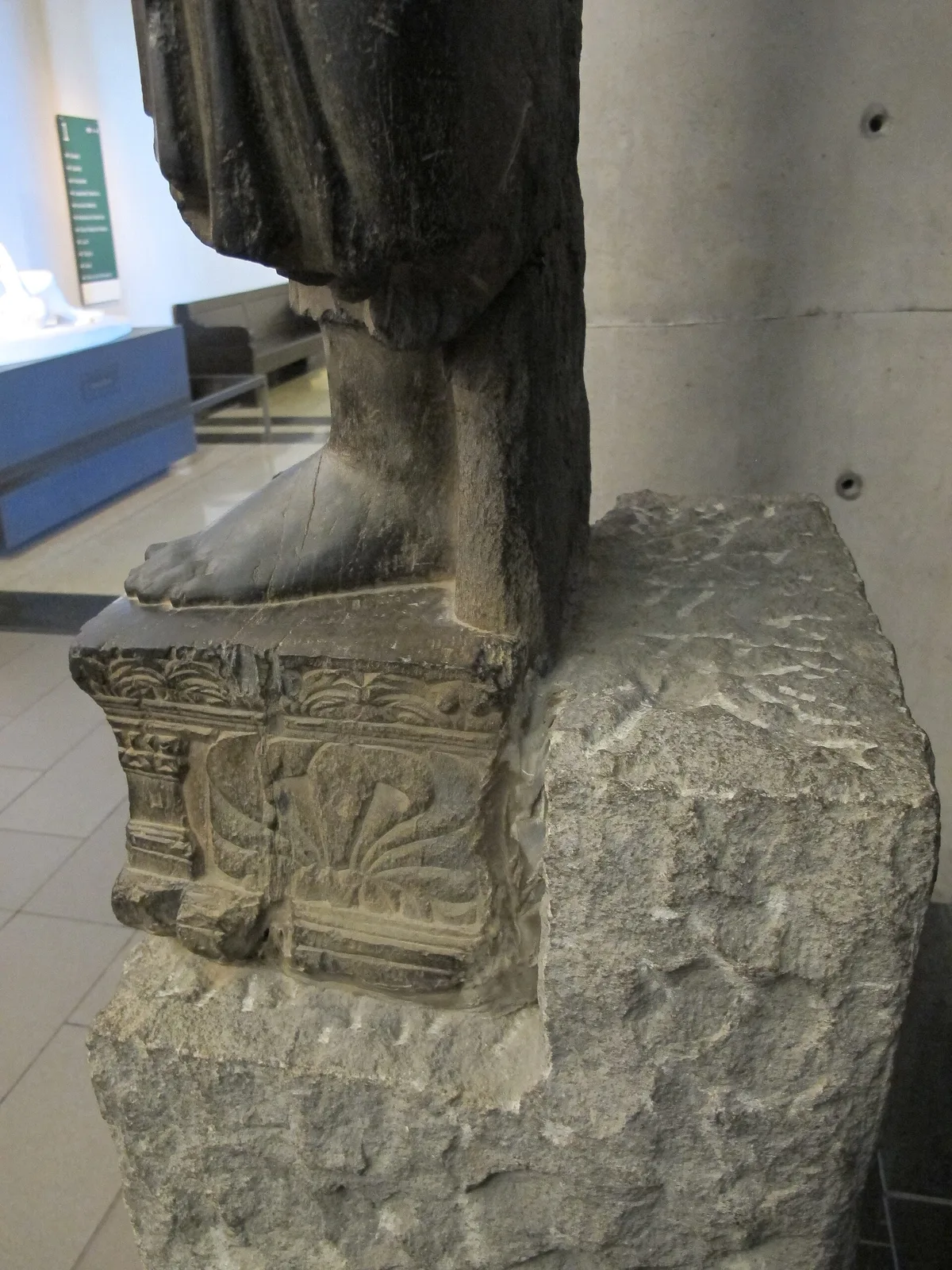
Before a borrowed painting hangs on a gallery wall, it passes through paperwork, condition checks, custom crates, couriers and insurance — a quiet machinery most visitors never see.
NYC's street-art economy runs on exposure and licensing deals while the painters see a fraction of it — a look at how the money actually moves through the walls.
When no gallery calls, artists rent the storefront, split the rent, and hang the show themselves. Here is how that model works, and where it strains.
Bushwick Open Studios runs one weekend each year and puts hundreds of working studios behind industrial doors open to anyone — here is how to work the weekend like someone who lives there.
This year's Video Music Awards turn the camera around and honor the artists behind it.
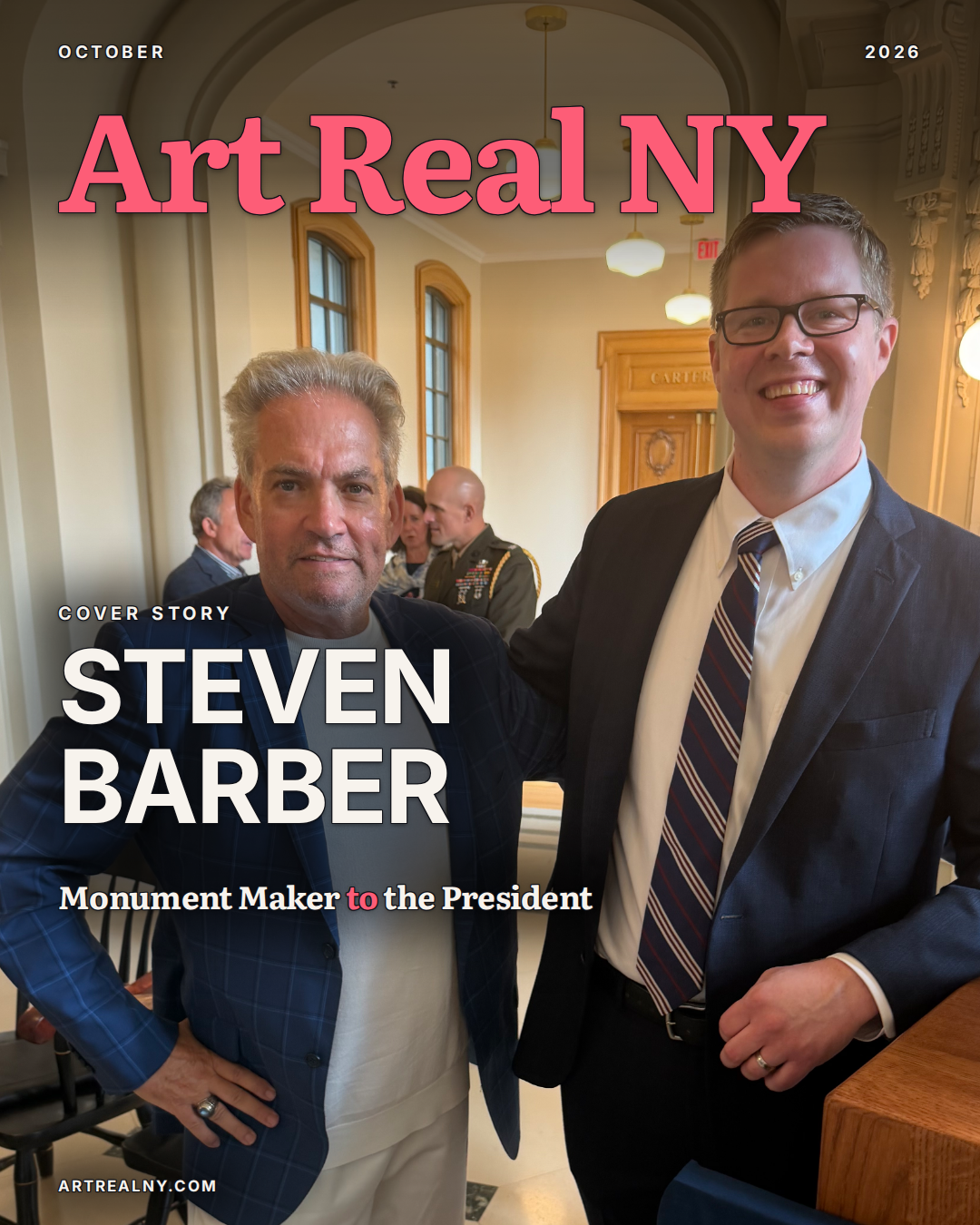
From the White House Rose Garden to the U.S. Naval Academy, one Santa Monica filmmaker has made it his job to put American presidents in bronze.

A certificate of authenticity promises a lot on paper. Here is what a valid COA contains, what it guarantees, and where buyers get fooled.
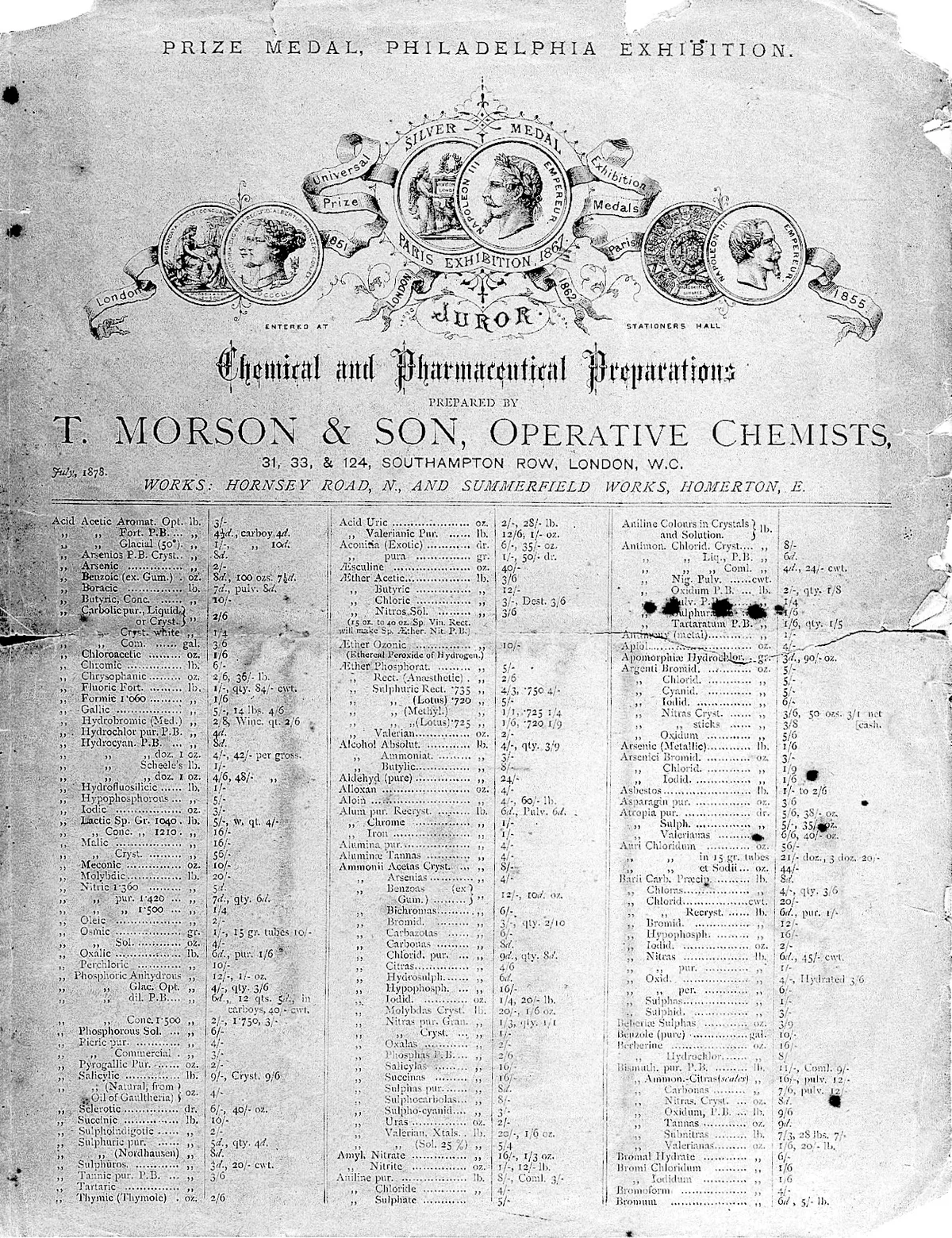
A plain guide to reading a gallery price list and asking about artwork prices, from what the list shows to who sets the numbers.
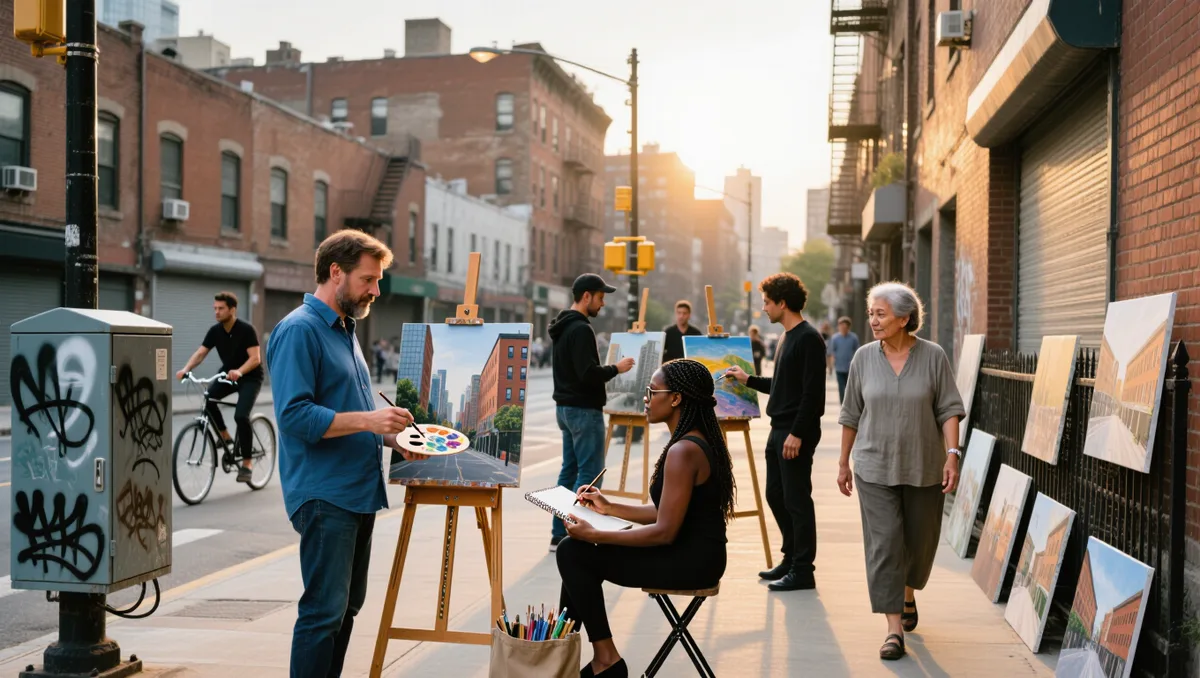
A Vermont gallery show of landscape painting, and a short guide to looking at plein air work the way it deserves.
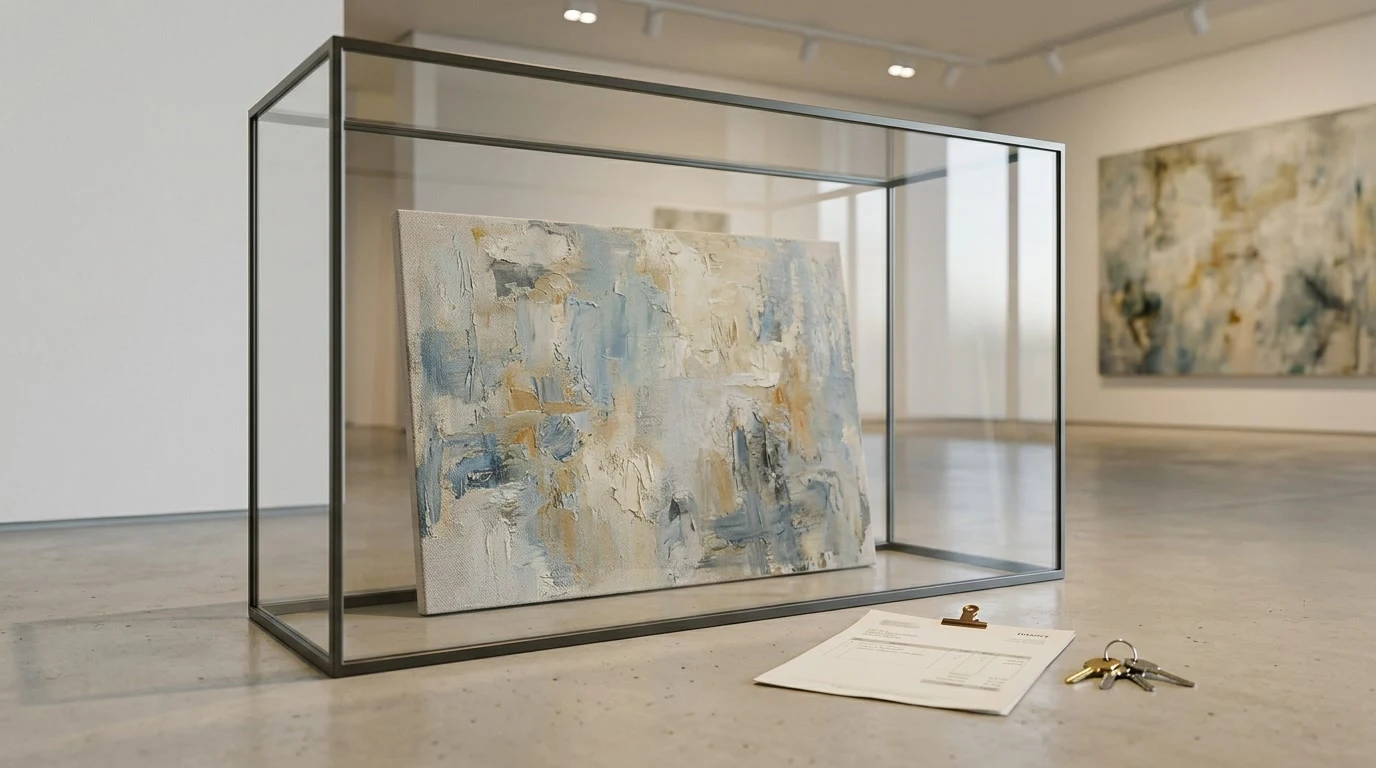
Under the state's Arts and Cultural Affairs Law, consigned work and the money it earns are trust property from the second a dealer accepts delivery — no contract required.
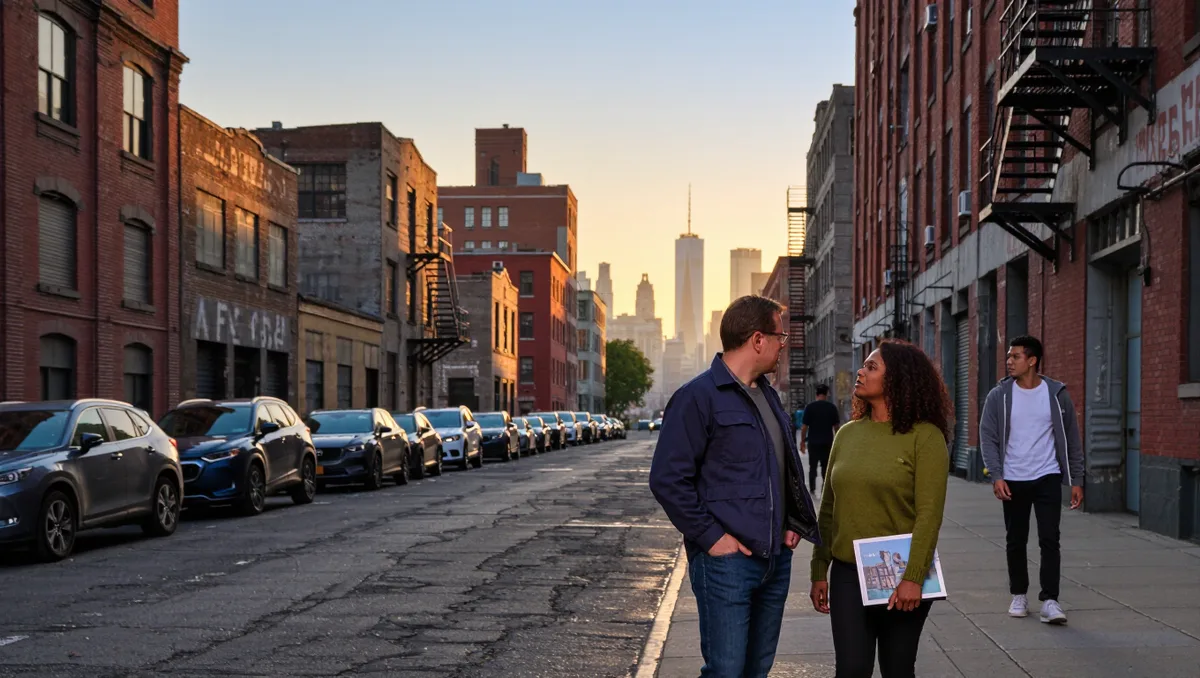
What to stage, what to say, and what to leave out when someone important walks through your door.
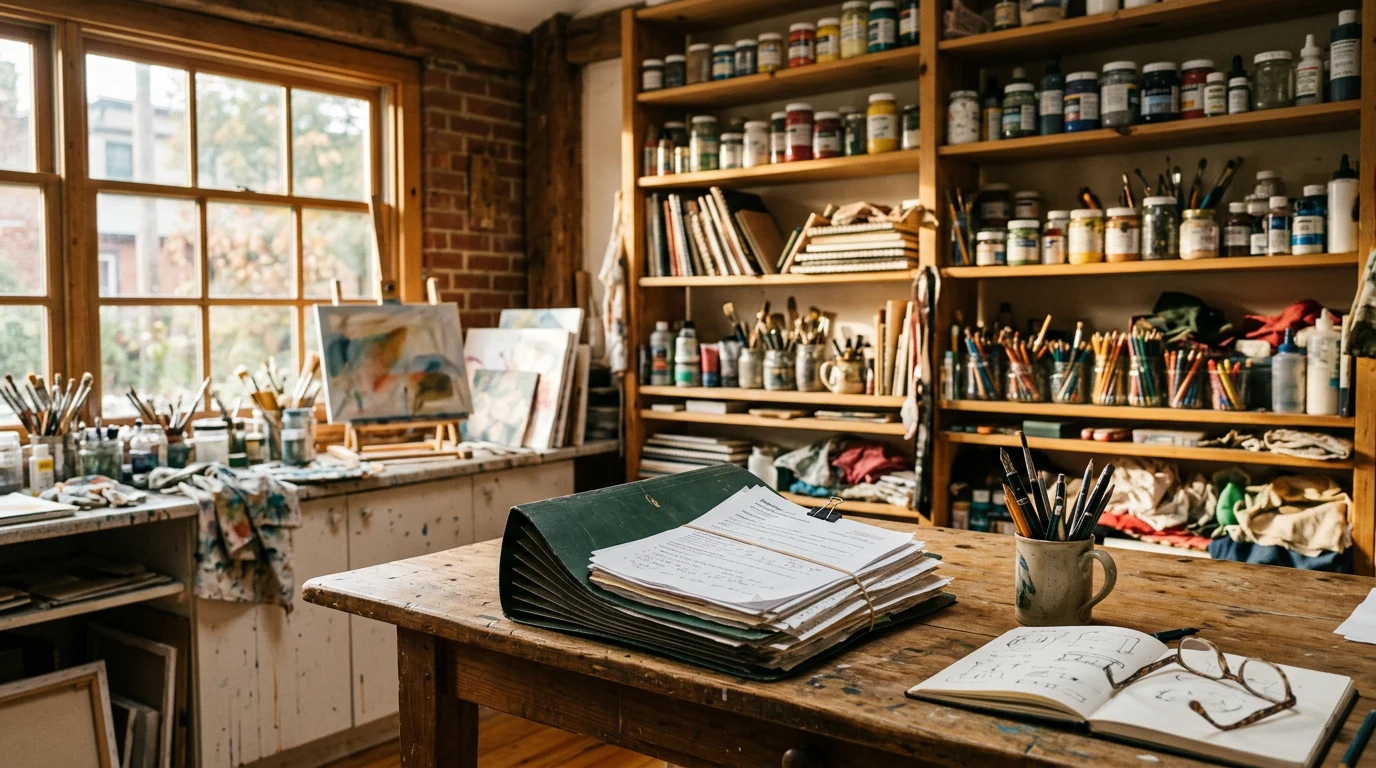
A practical guide to the three programs — Chashama, NYFA's Fiscal Sponsorship, and the city's Materials for the Arts warehouse — that keep New York artists working when rent doesn't.
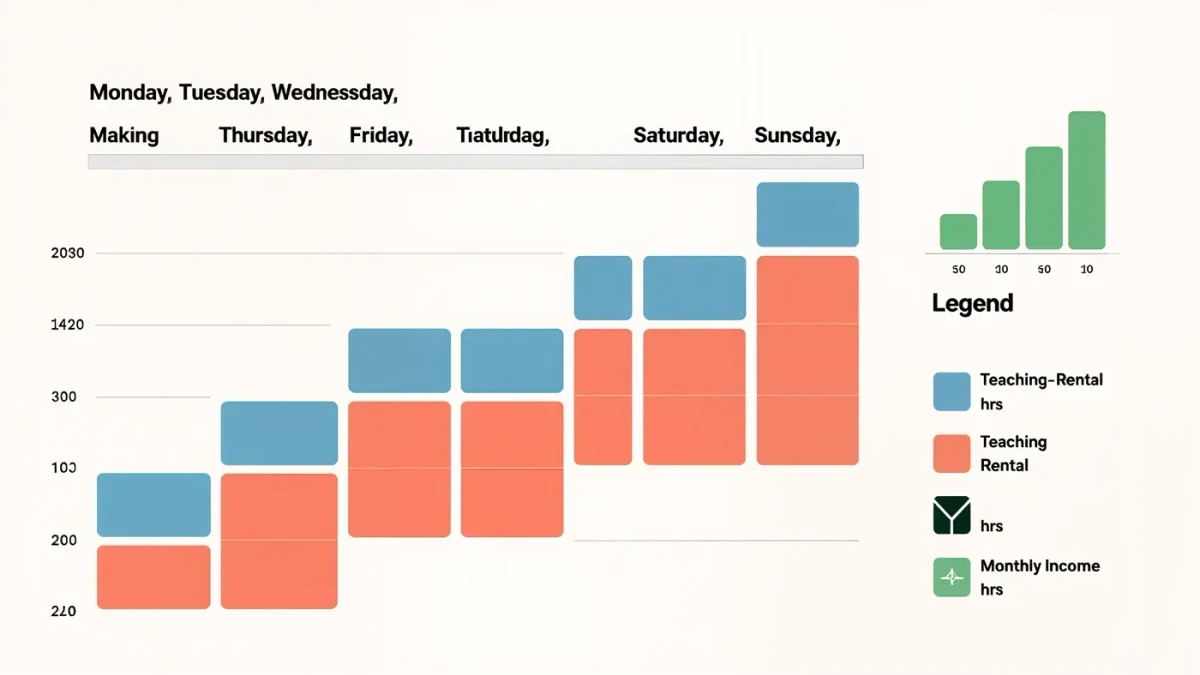
Teaching from the studio, renting it for shoots and rehearsals — how New York artists turn one room into two incomes without breaching the lease or the fire code.
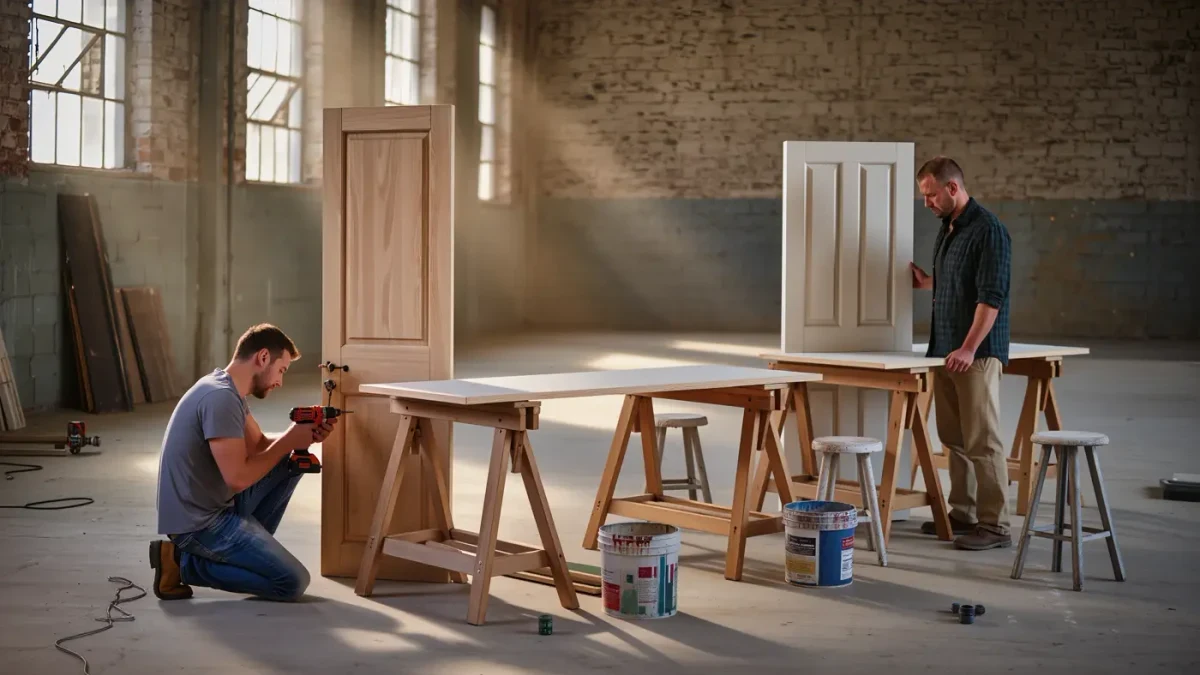
Door tables, salvage runs, restaurant shelving and clamp-lamp light — the folk knowledge of fitting out a working New York studio when the budget is nearly zero.

The hammer price is the winning bid; buyer's premiums, seller commissions and United States resale law decide who actually keeps the money.

Art critics look, describe, and judge. Here is what actually happens when a critic reviews a show, from first notes to published review.
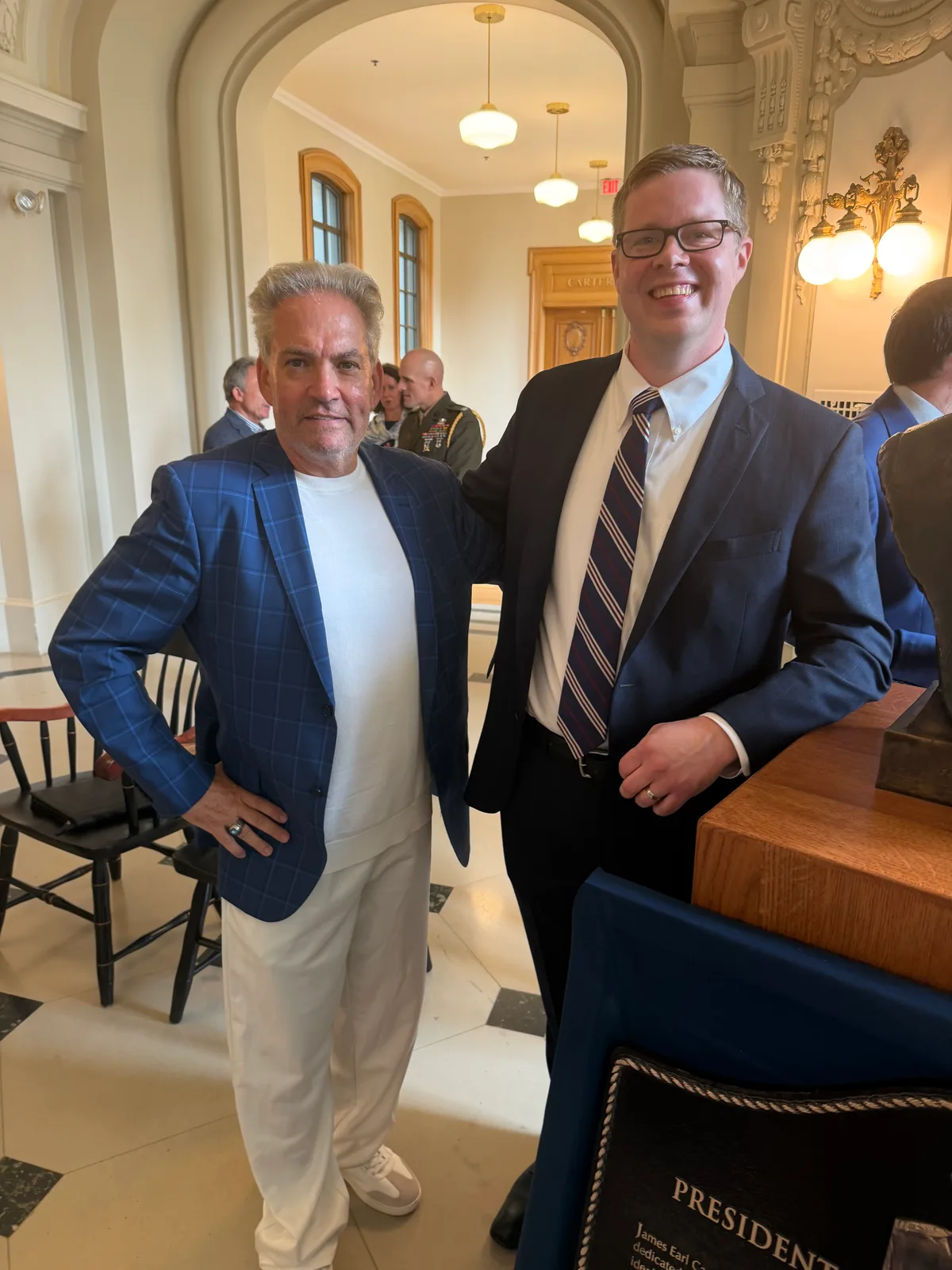
From the White House Rose Garden to the U.S. Naval Academy, one Santa Monica filmmaker has made it his job to put American presidents in bronze.
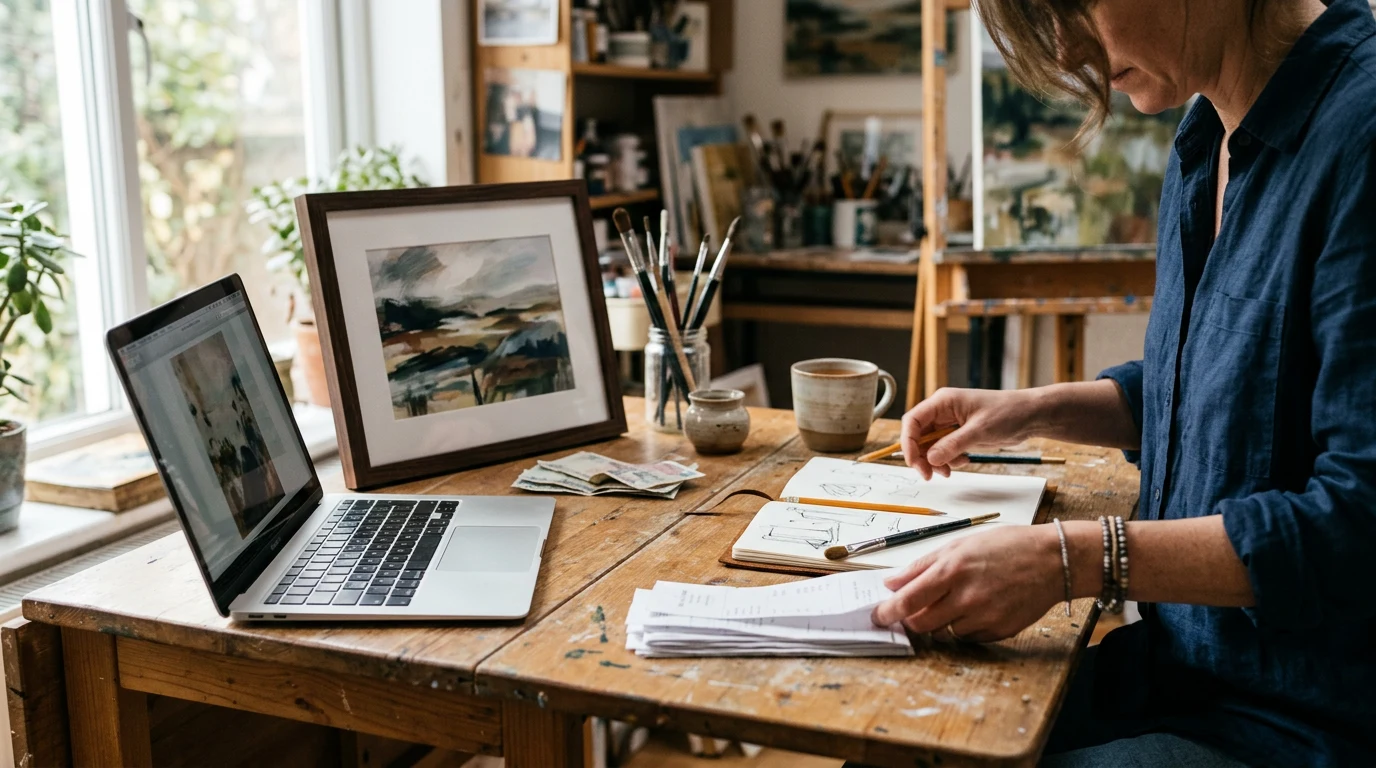
Selling a painting out of a Bushwick studio triggers the same state sales tax rules as a Chelsea gallery sale — here is what New York actually requires before that first transaction.