Galleries
A First-Timer's Guide to Walking Into a Gallery
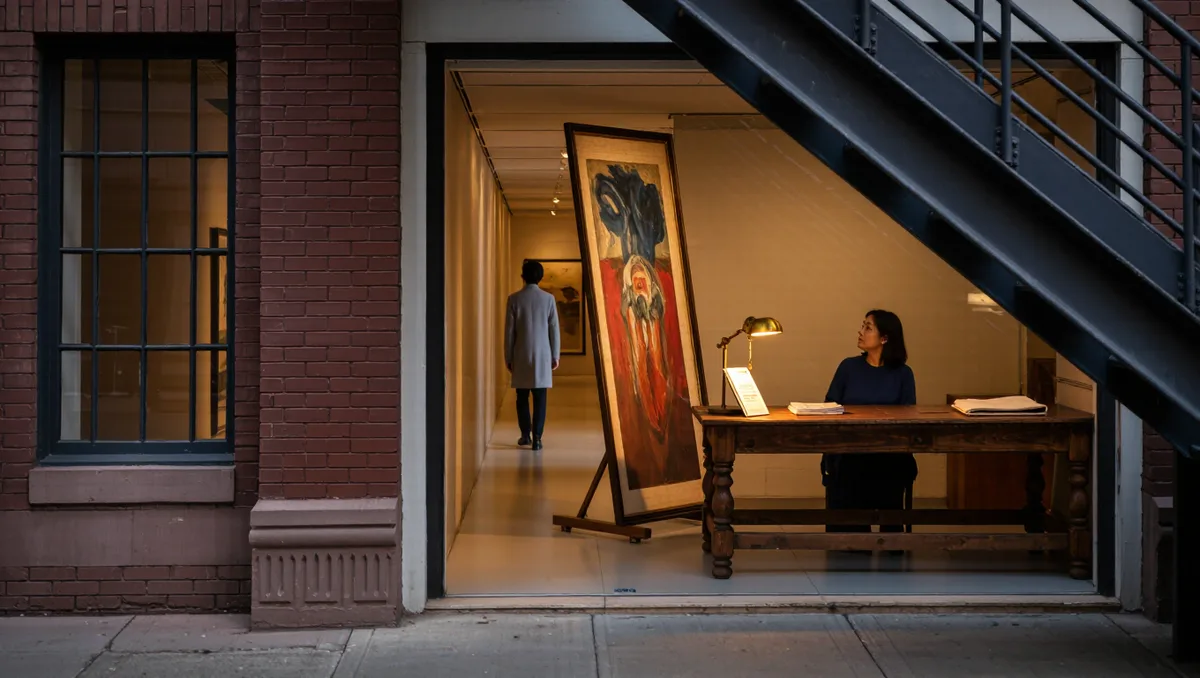
Commercial galleries are free, need no appointment, and welcome browsers; a first walk through West Chelsea's 200-plus doors needs only four moves.
Coverage of the galleries that carry contemporary art: program direction, roster arrivals and departures, expansions, closures and how consignment and representation actually work. Includes blue-chip spaces and artist-run rooms. Useful for artists weighing an offer and for collectors reading a program's intentions.
Coverage of the galleries that carry contemporary art: program direction, roster arrivals and departures, expansions, closures and how consignment and representation actually work. Includes blue-chip spaces and artist-run rooms. Useful for artists weighing an offer and for collectors reading a program's intentions.
Commercial galleries are free, need no appointment, and welcome browsers; a first walk through West Chelsea's 200-plus doors needs only four moves.
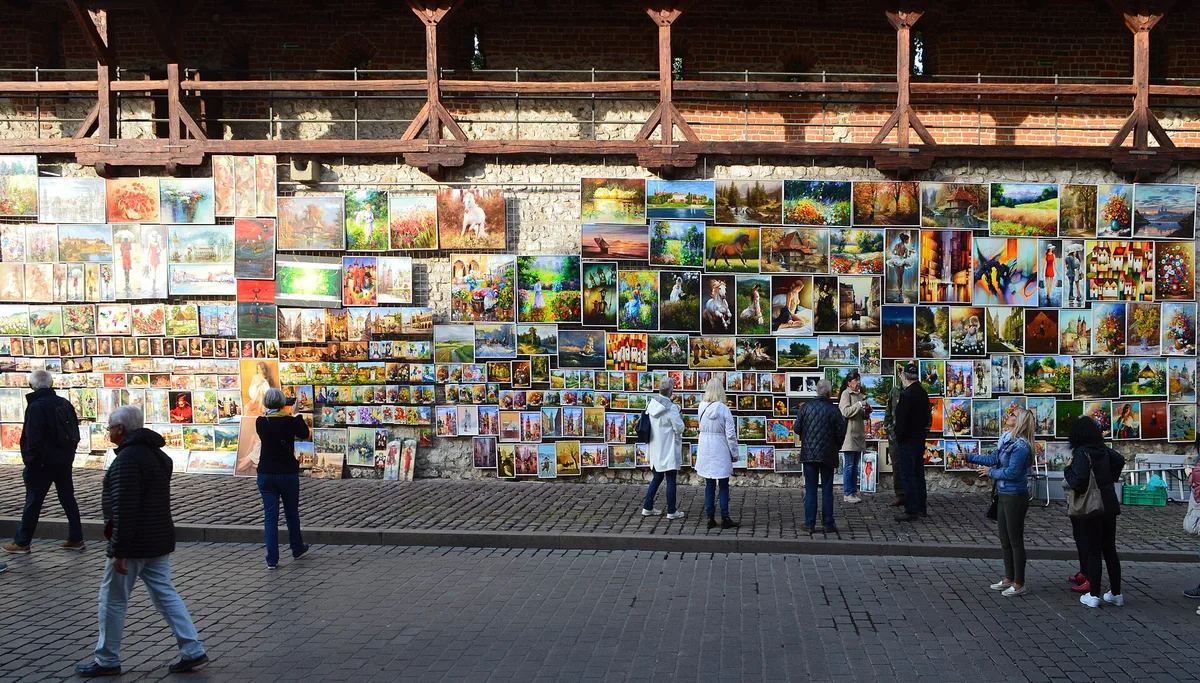
Marfa, Beacon, and Provincetown each turned cheap space and one committed institution into small-town economies that run on art.

A certificate of authenticity promises a lot on paper. Here is what a valid COA contains, what it guarantees, and where buyers get fooled.
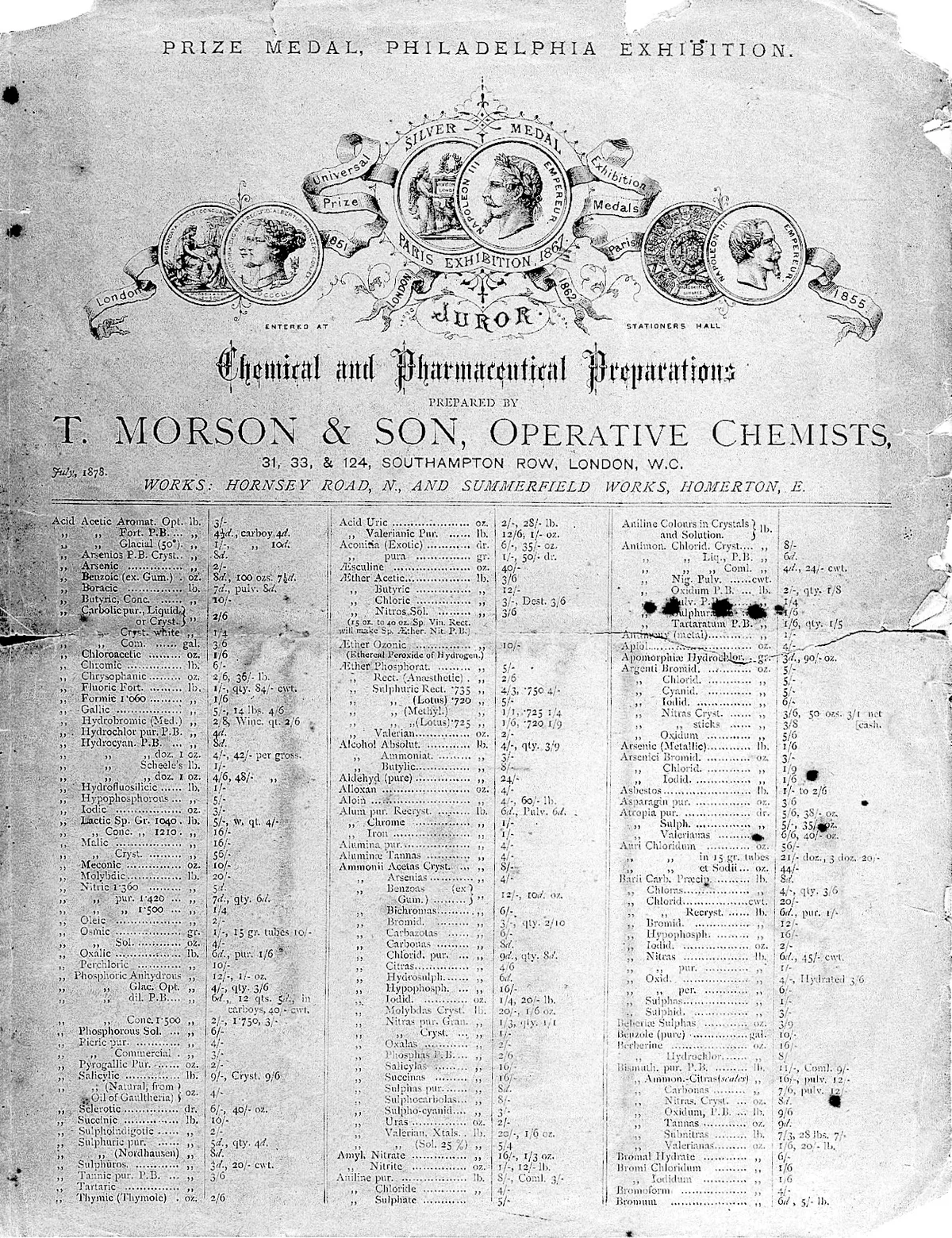
A plain guide to reading a gallery price list and asking about artwork prices, from what the list shows to who sets the numbers.

A Vermont gallery show of landscape painting, and a short guide to looking at plein air work the way it deserves.

When no gallery calls, artists rent the storefront, split the rent, and hang the show themselves. Here is how that model works, and where it strains.
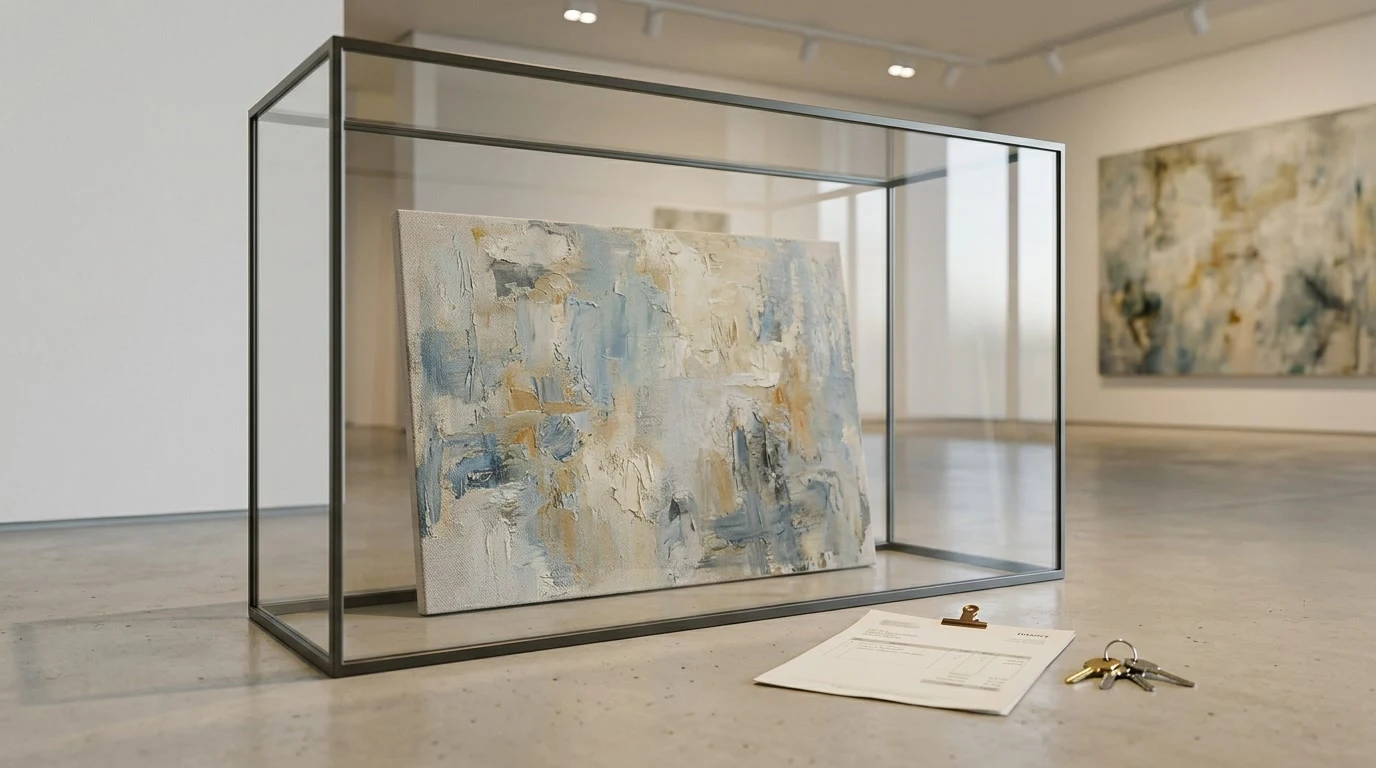
Under the state's Arts and Cultural Affairs Law, consigned work and the money it earns are trust property from the second a dealer accepts delivery — no contract required.
A roster is a gallery's inventory of bets, placed one studio visit at a time and withdrawn in silence when the numbers stop working.

The advisor is the art market's translator: paid by collectors, courted by galleries, and useful to artists who understand the gate.
Artist-run rooms sell risk; blue chips sell reach. New York's art life depends on the argument between them.