A gallery builds its roster slowly, out of studio visits, group shows and recommendations from artists already on the wall, and cuts it quietly, through non-renewals nobody announces. Young galleries typically carry eight to twenty artists; the international houses run forty or more. The roster is the gallery's inventory, and it turns over faster than the art.
How does a gallery find artists in the first place?
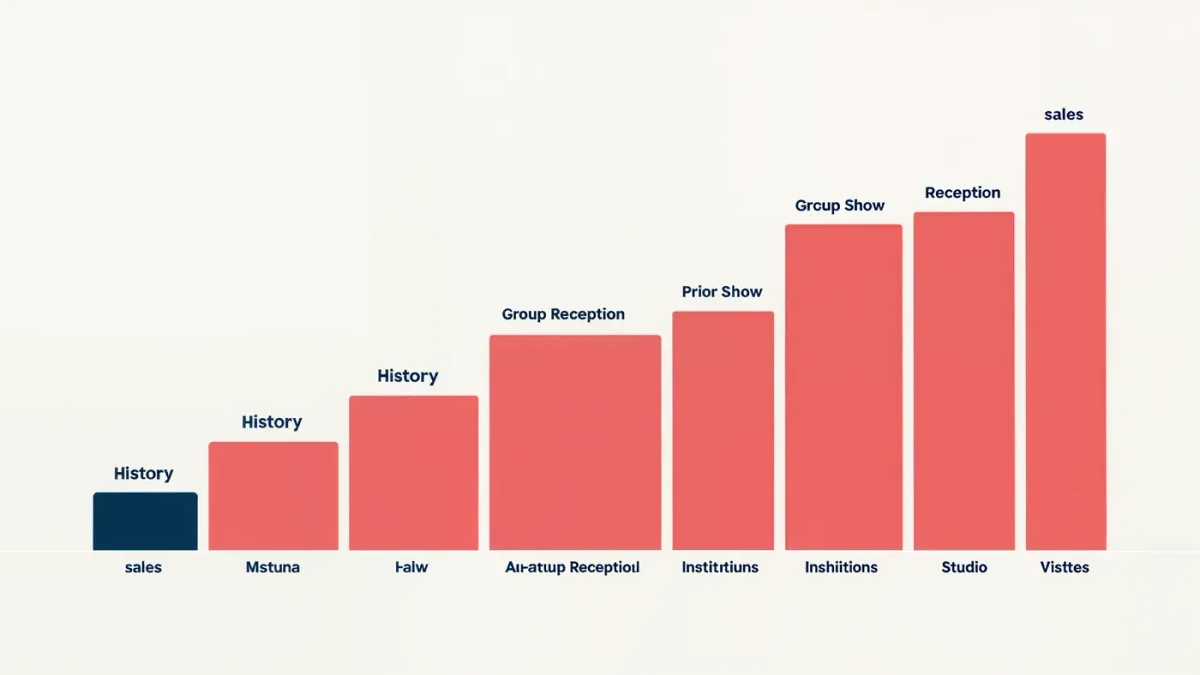
Through pipelines more than miracles. MFA exhibitions and open-studio weekends supply the annual intake; current artists recommend their friends; other galleries' group shows get read like catalogs; curators and advisors pass along names; and a great deal of quiet scouting now happens through artists' feeds. Discovery is real, but it travels on infrastructure.
The recommendation economy is the strongest pipeline of all. When an artist already on the roster vouches for a peer, the vouching carries weight precisely because the recommender's own standing rides on it, and a studio visit follows within the month. Cold submissions exist and occasionally succeed, but they compete with hundreds of identical emails for minutes of an assistant's attention. The warm introduction is not nepotism exactly. It is due diligence performed by someone with something to lose.
The feed changed the scouting without replacing the studio. Galleries now notice artists at a distance, watch a body of work accrete online and arrive at the first visit already persuaded, but the visit still decides everything, because a dealer is not buying images. They are buying the ability of one person to keep producing exhibitions' worth of serious work, on schedule, for years. No feed demonstrates that. Only the studio does.
What is the test before an artist joins the roster?
A group show, usually. The gallery places a few works on a summer wall, watches how they hold up beside stronger names, whether collectors follow up and whether the artist ships on time, then decides. Some galleries formalize the trial as a two-person show; others simply make the next offer and let the word contract go unspoken.
The trial runs both directions, which artists too often forget. The gallery is testing sell-through, reliability and fit with its program; the artist should be testing whether invoices arrive on time, whether the promised promotion happens, whether the director's enthusiasm survives the season. Representation is a marriage with money attached, and the courtship behaviors on display at the start are the best data either side will ever get.
Not every signing comes up through the ladder. Galleries also add mid-career artists poached from closing or retreating dealers, a pattern the trade has watched accelerate as senior gallerists step back and their programs disperse, and they add estates, which bring museum relationships and stable inventory. Both lanes crowd the calendar. Every name added is a wall somebody else will not get.
Why do rosters keep growing?
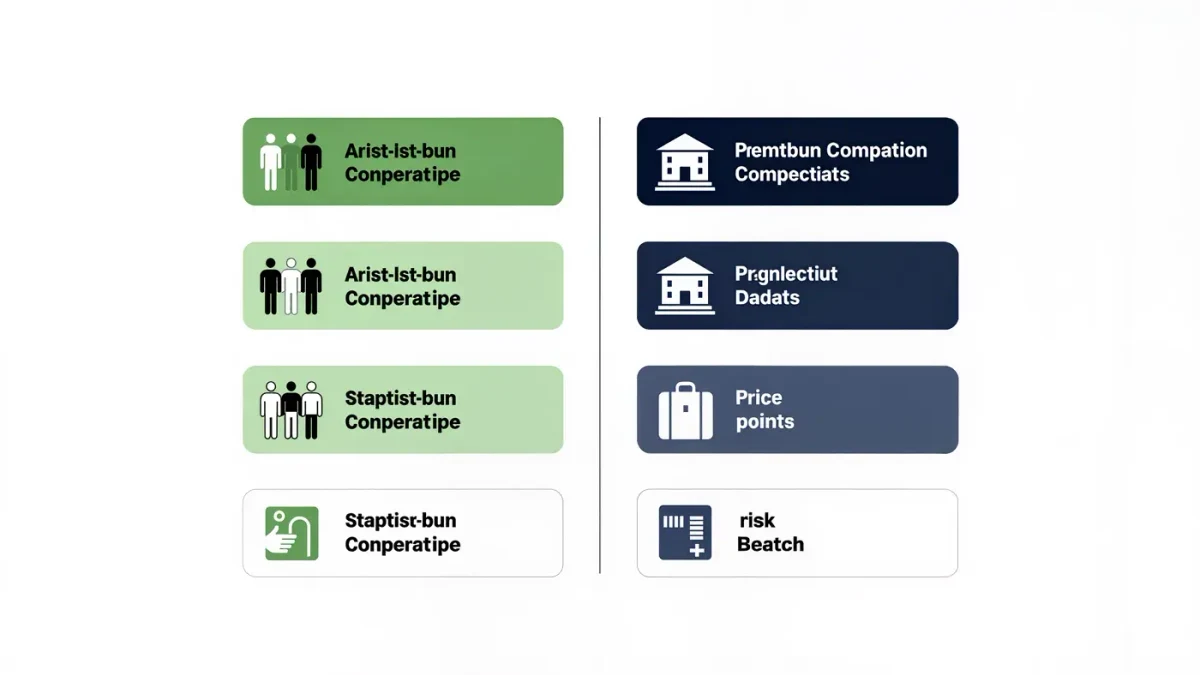
Because growth is cheaper than focus. Fairs demand fresh inventory every season; a bigger roster spreads fixed costs across more markets, price points and collector moods; and every signing is a trade-press announcement that a gallery is alive. Cutting is emotionally expensive, relationally expensive and newsworthy in the wrong way, so rosters inflate until economics forces the issue.
The ceiling problems arrive on schedule. Each artist's share of the exhibition calendar shrinks with every signing; staff drown in the logistics of more studios, more shipping, more consignments; and the annual fair booth becomes a diplomatic negotiation over whose work makes the walls. A gallery with fifty artists cannot give anyone what a gallery with twelve gives routinely, and the artists notice before anyone says anything.
Estates deserve their own line in the arithmetic. They steady a gallery's revenue and deepen its history, which is why they are courted so eagerly, but every estate exhibition is a living artist's slot. The balance between honoring the dead and sustaining the living is one of the quiet ethical calculations every established gallery is making all the time, and the ones that make it badly end up with ornate mausoleums.
How do galleries cut artists, and why?
Quietly, through a non-renewal or a calendar that never finds room. The stated reasons are plateaued sales, a program changing direction, or arithmetic; the unstated ones include the director's attention and the arrival of a younger artist doing adjacent work faster. Almost no one announces a cut. That is what makes the pattern brutal to read and easy to deny.
The mechanics of the quiet exit are recognizable to anyone who has lived one. The next solo gets postponed a season, then two; the artist's work stops making the fair booth; calls go returned slowly; and the artist performs the diagnosis alone, rereading calendars. Eventually a conversation happens, or does not, and both parties describe the parting as mutual to anyone who asks. The trade's small size enforces politeness, not honesty.
The decent exits exist and deserve credit: inventory returned promptly, statements settled to the dollar, an introduction or two made to other dealers, and a plain explanation offered to the collectors who bought the work. The cruel ones, ghosting an artist with work in storage, exist too, and circulate through the scene's back channels for years. Reputation is the only enforcement mechanism this industry has, and on this subject, it actually works. Slowly, and mostly out of earshot.
What does getting cut mean for an artist's career?
A dent, not a verdict. The CV line remains, the price history remains, and plenty of artists land at rooms that fit better, or build durable careers through artist-run spaces, independent presentation and patient new dealers. The damage is real, momentum pauses, collectors ask questions and pride takes the longest to heal. But the market forgets faster than artists fear.
The practical playbook after a cut is short. Get every consigned work and settled statement back in writing, quickly; tell the story simply and without venom when collectors and curators ask; keep the new work visible through whatever rooms will show it; and approach the next gallery while the record is still warm. Artists who vanish out of shame discover that the scene's memory, unlike its calendar, can be reset by one strong exhibition. The roster changed. The work did not.
Rosters are promises, and the health of a gallery culture is visible in how the endings are handled. The best rooms treat signing and cutting as the same act of honesty, believing in an artist out loud and, when belief ends, saying so out loud too. The worst treat artists as inventory to be shuffled silently. Artists choosing between offers should ask around about how each gallery says goodbye. That answer predicts everything else.