You spot a piece you love at a gallery show. Then comes the question every new collector hesitates over: what does it cost, and how do you even ask? Galleries rarely tape prices to the wall, and price lists are not always on display. That silence confuses buyers, but it is not a wall built to keep you out.
This guide explains what a price list shows, why art prices vary so much, and how to ask about a work in a way that gets clear answers. You do not need a background in the art world. You just need to treat the gallery as a business, because that is what a selling gallery is. Readers following this should also see How Art Advisors Work With Collectors.
What a Price List Actually Is
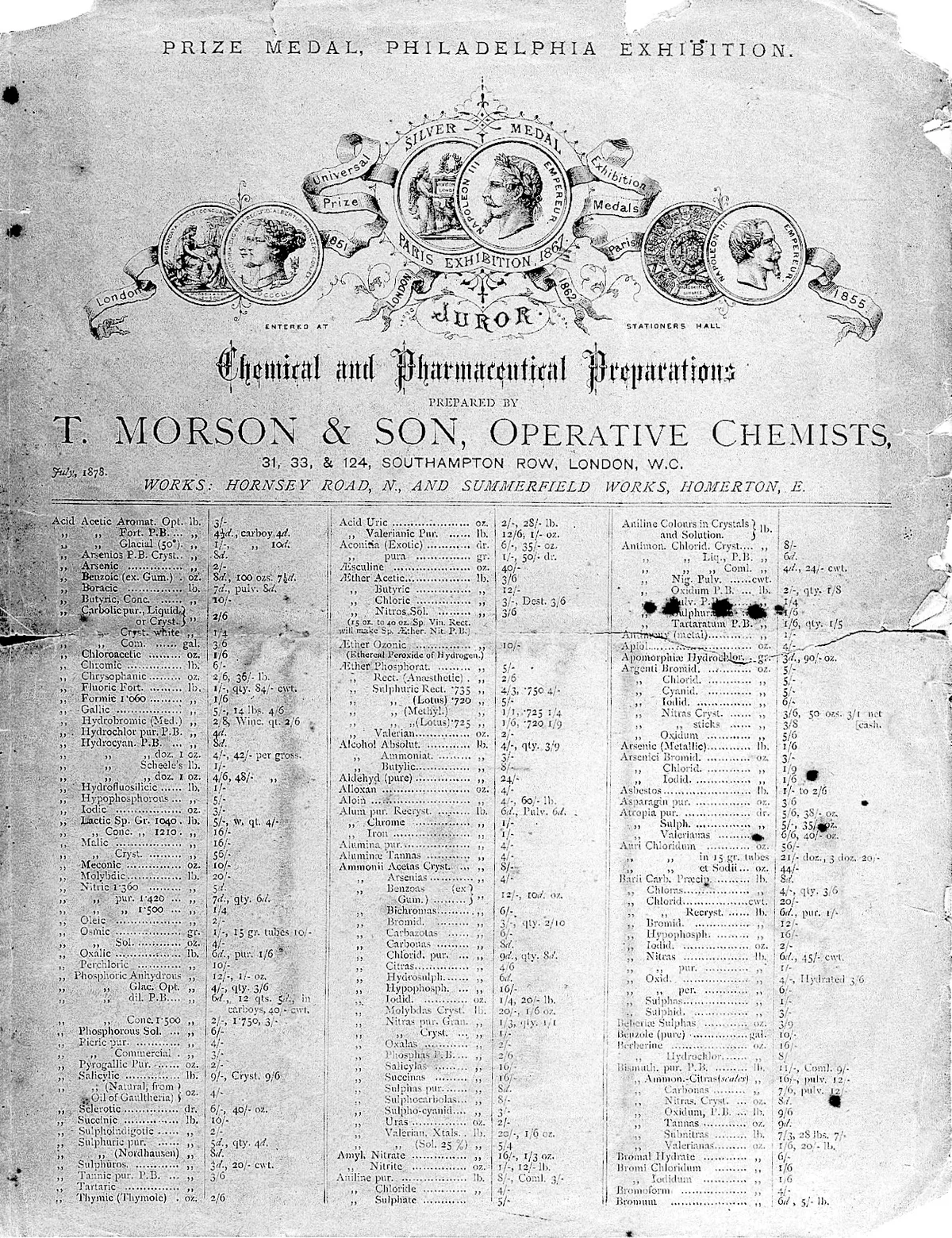
A price list is a simple sheet for the works in a show. It usually lists the artist, the title, the year, the medium, the size, and the price. Some galleries hand it over at the desk. Others email it after a quick request. If no list is offered, asking for one is a normal step, not a faux pas. This connects to our earlier piece, How Galleries and Artists Split Sales.
There is a simple reason for the quiet. A gallery that shows art for sale is a store at heart, even when it looks like a salon. Galleries that do not keep a collection are commercial enterprises for the sale of artworks, unlike museums, which hold works for the public. Stores post prices. Galleries follow the same habit more slowly.
Why Prices Vary So Much
Art has no fixed price sheet like a shelf of goods. Per a broad look at the art market, the value of a work rests on more than supply and demand. It tracks the work's cultural standing, its past prices, and what buyers expect it to fetch in years to come. Two pieces of the same size by the same artist can sit far apart in price.
The market is also hard to see into. Per the same source, private sales make up about half of the deals in the market, and data on those sales rarely goes public. With so little open data, a price list is often the best window a buyer gets.
Who Sets the Numbers
For a living artist, the gallery and the artist set prices together, and the numbers tend to rise in steps as a career grows. The gallery keeps a share of each sale in return for the space, the staff, and the access to buyers.
Dealers sit at the center of this trade. Per a look at the dealer's craft, dealers study the business side of the art world, keep up with what the market wants, and weigh what to pay for a piece against what it may resell for. They watch markups with care, since prices pushed too high can stall sales and hurt an artist's path.
How to Ask, Step by Step
- Ask for the list. A plain request works well: "May I see the price list for this show?"
- Name the work. Give the artist, the title, or the wall spot so staff can find the number fast.
- Ask what shapes the price. Staff can place a work within the artist's wider range.
- Ask about hidden stock. Galleries often hold more works than what hangs on the walls.
- Ask about terms. Some galleries split a sale into parts, and many can ship.
None of these questions marks you as a rookie. Gallery staff talk about prices all day. Calm, direct questions read as serious intent, and they get serious answers.
When a Price Feels Off
A price that shifts from visitor to visitor is a bad sign. So is a seller who will not say where a work came from. Trust carries much of this trade, since so many deals happen in private. If a price sits far above your budget, name your range. The gallery may hold a smaller piece by the same artist, and an honest range saves time for both sides.
Conclusion
A price list is not a secret code. It is a business tool that galleries use with every serious buyer, and asking for it is standard practice. Read the basics, ask direct questions, and treat price talk as a normal part of buying art.
The collectors who learn fastest are the ones who ask. Pick the piece you love, ask for the number, and let the gallery do what it does best: connect art with the people who want to live with it.