
Topic
Lit and Luz Hits Year 13, and the Numbers Tell the Story
Chicago's bilingual arts festival returns with a week of free programming, one ticketed night at the MCA, and attendance figures that matter in a lean funding year.
Chicago's bilingual arts festival returns with a week of free programming, one ticketed night at the MCA, and attendance figures that matter in a lean funding year.
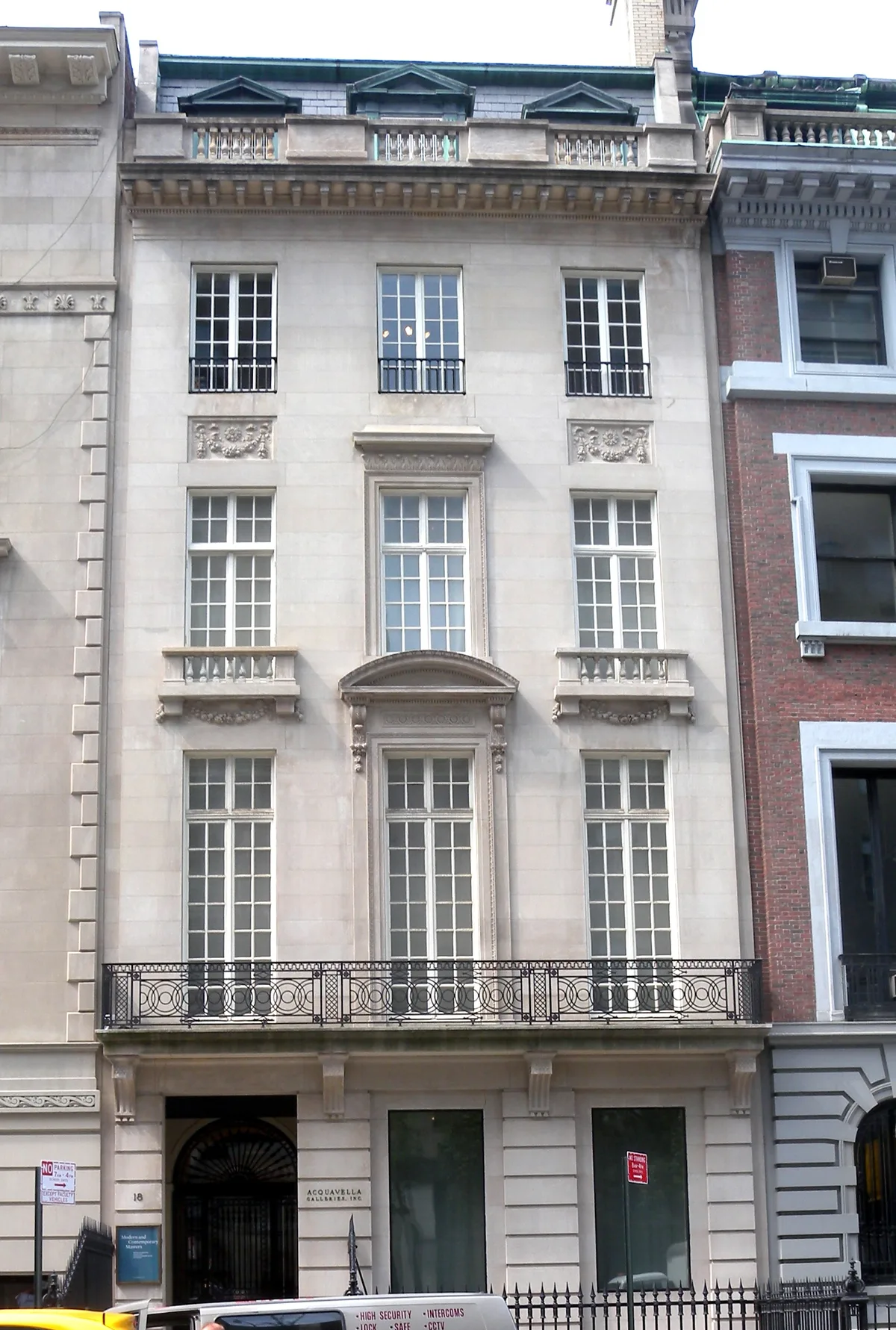
Chelsea holds over 200 galleries, SoHo's dealers left in the mid-1990s, and the Lower East Side grew some 200 outsider spaces at its 1980s peak.
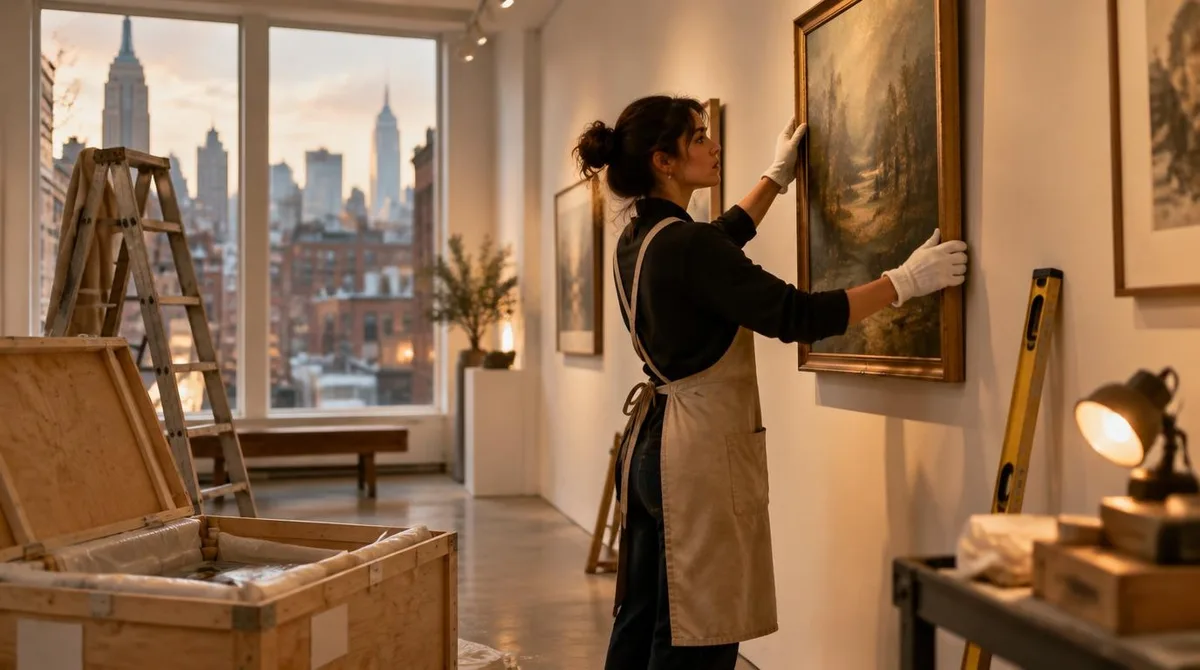
The week before an opening is the part visitors never see. Here is how a show actually gets made.

A plain-English glossary of the exhibition types you see on gallery walls, and what each one asks of the artist.
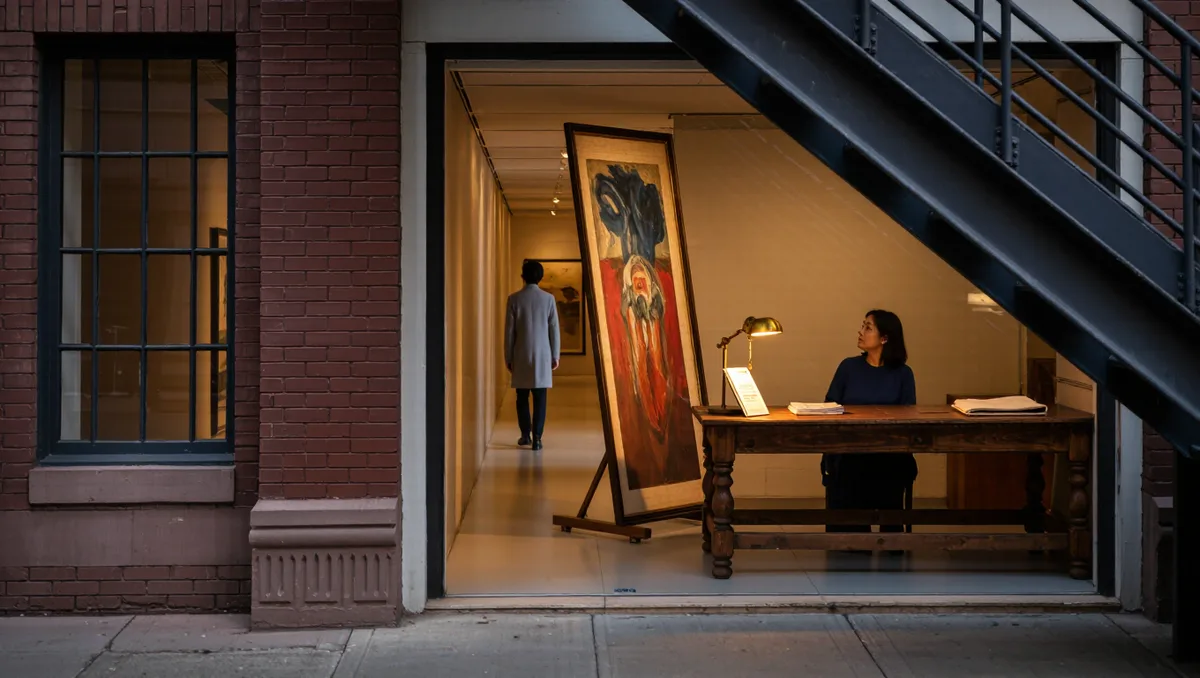
Commercial galleries are free, need no appointment, and welcome browsers; a first walk through West Chelsea's 200-plus doors needs only four moves.

Retrospectives gather an artist's work across decades, staged late for the long view, and Canada's documented fee fight put pay behind the honor.
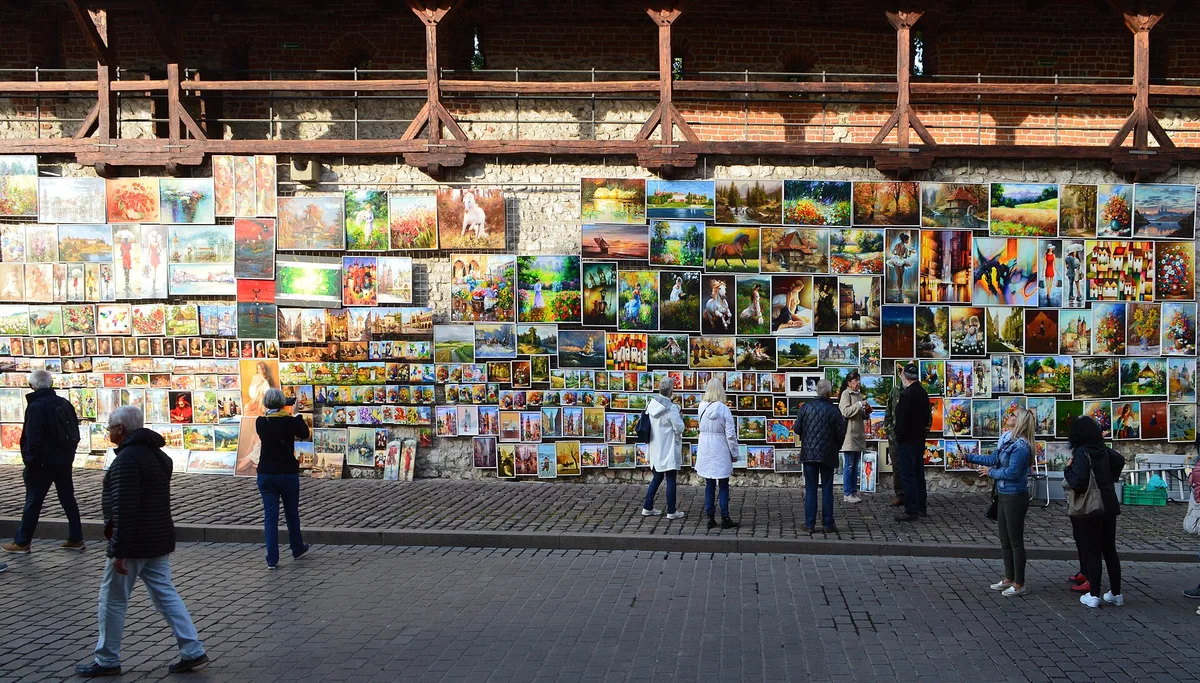
Marfa, Beacon, and Provincetown each turned cheap space and one committed institution into small-town economies that run on art.
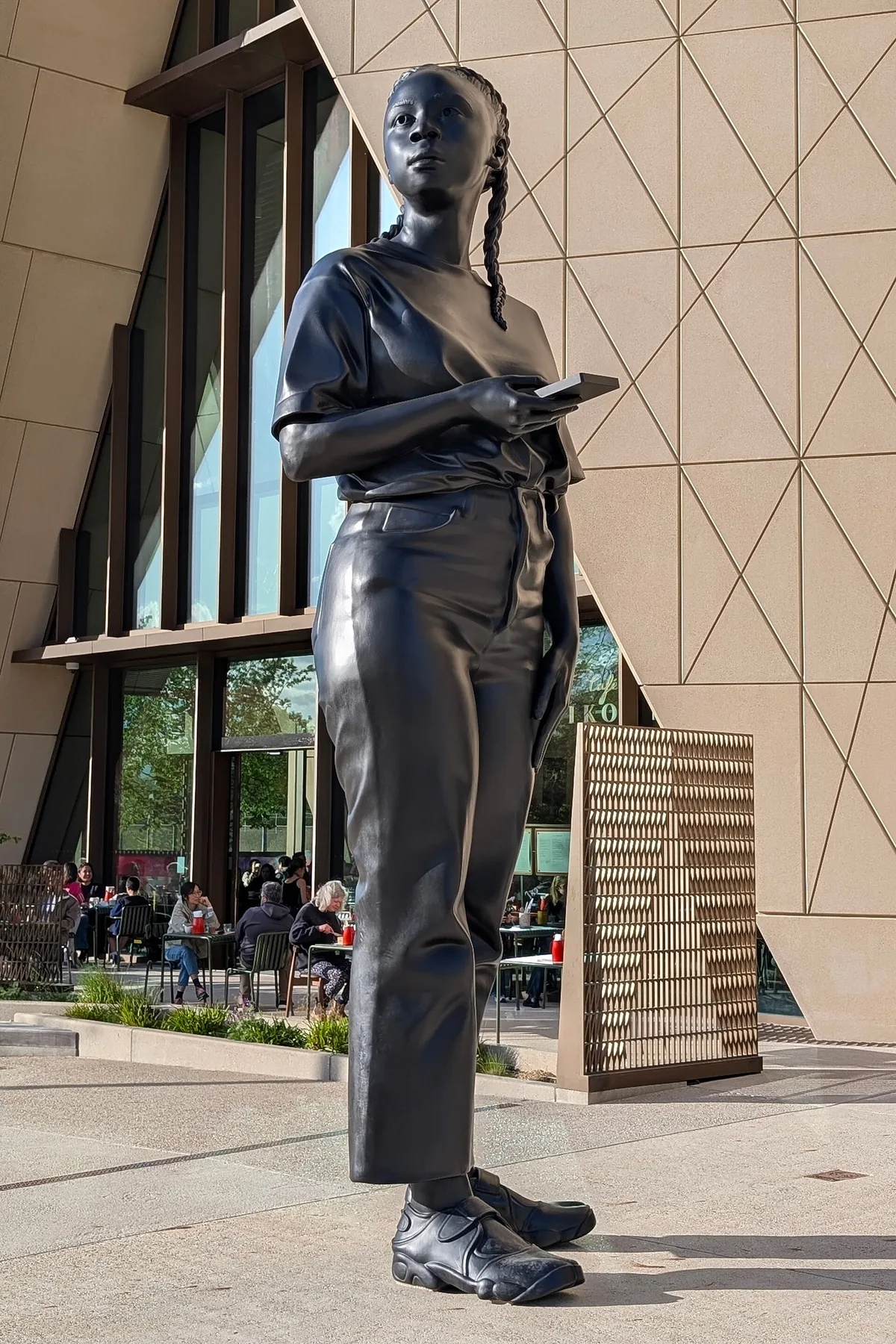
Galleries typically keep 25 to 50 percent of a sale, and consignment keeps ownership and risk with the artist until a buyer pays.

Art critics look, describe, and judge. Here is what actually happens when a critic reviews a show, from first notes to published review.
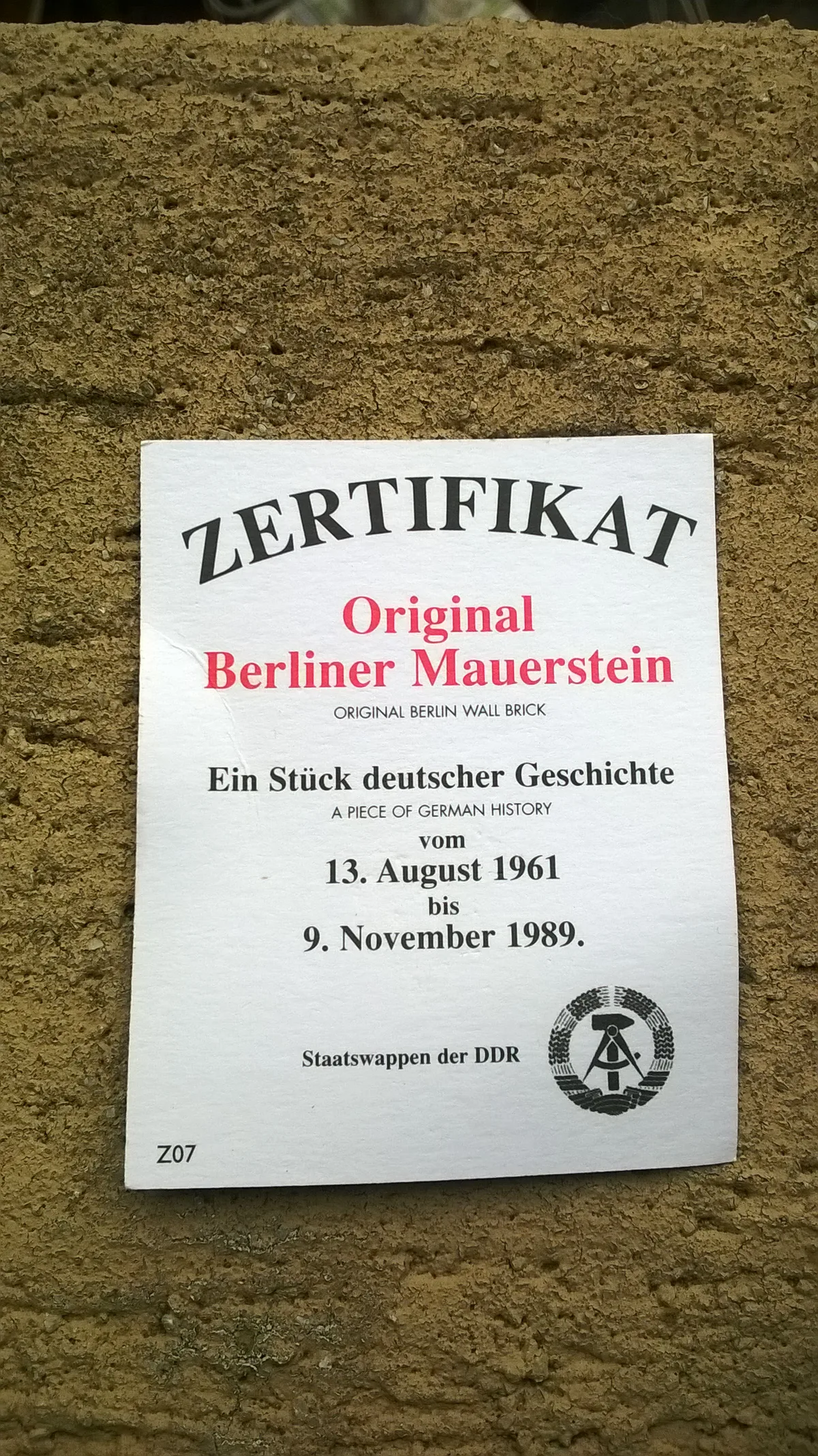
A certificate of authenticity promises a lot on paper. Here is what a valid COA contains, what it guarantees, and where buyers get fooled.