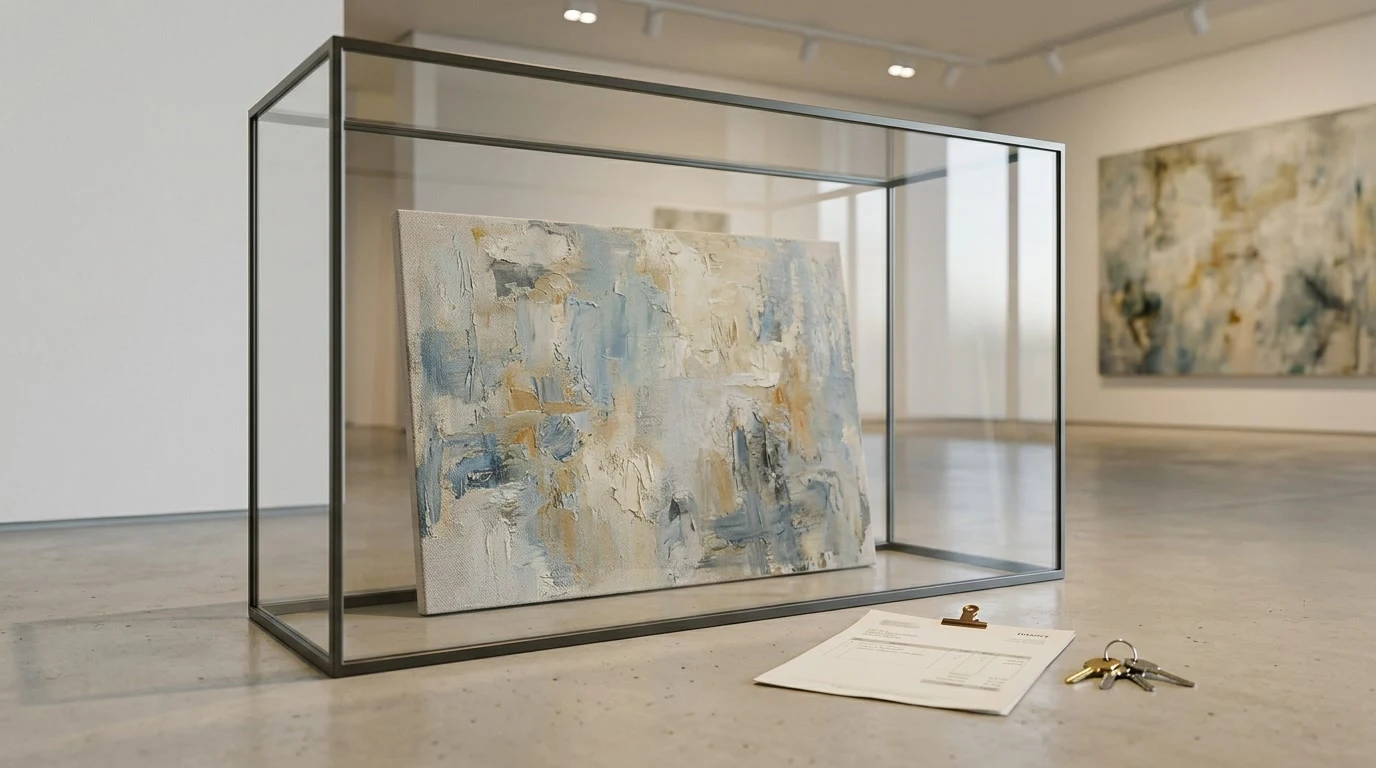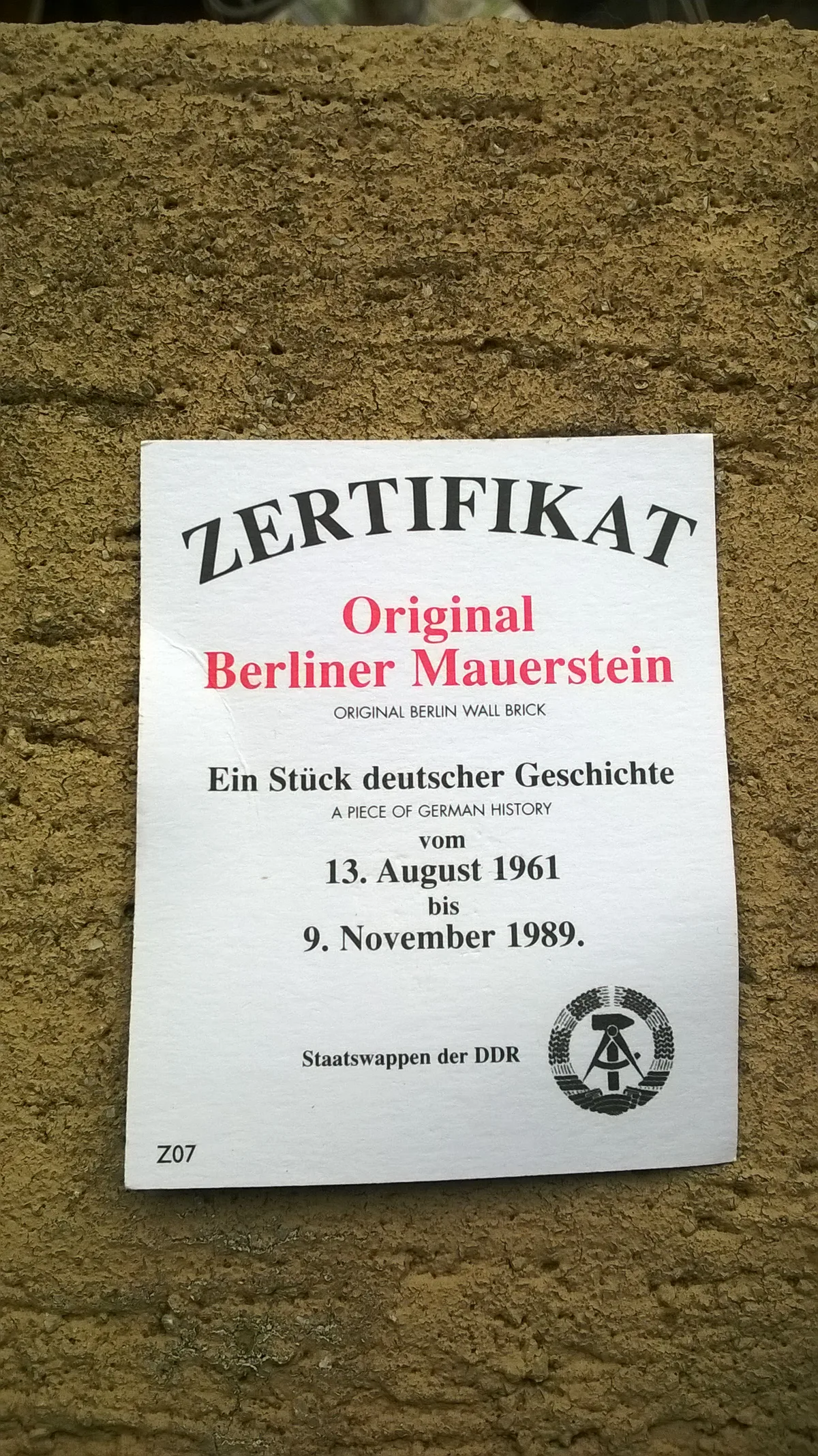
A certificate of authenticity, or COA, is a small paper with a big job. It claims that a piece of art is real. Buyers of art, memorabilia and collectibles see these papers all the time. Fewer people know what a COA truly promises, and what it does not. The paper promises that a work is genuine. It also tells you who stands behind that promise.
The idea is simple. A COA is commonly a seal on paper authenticating a specific artwork, made to prove authenticity. The document is usually supplied by the manufacturer, the artist, or another approved entity. Certificate of authenticity is the formal name for this small but weighty paper.
Who Issues a Certificate
In the art world, the paper usually comes from a trusted name. Artwork or posters often come with a COA signed and sealed by a reputable appraiser or an auction house. The issuer matters because the paper is only as strong as the name behind it. Seals like this also appear on other goods, such as computer programs, shirts, and sports memorabilia. Readers following this should also see How Small Galleries Afford Art Fair Booths.
What a Valid Certificate Contains
A strong certificate is detailed. A valid artwork COA generally includes when and how the piece was produced. It names the people or companies involved in the artwork's production. It gives the work's exact title and the dimensions of the art. It also lists the names of reference books, magazines, or similar resources that contain information about the art or the artist.
The certificate should also identify its own author. It states the qualifications of the individual or entity that authored the certificate, with their contact information. A COA is of no value unless it contains full contact details of the issuer. This connects to our earlier piece, Co-ops and Collectives: Artists Who Became Their Own Dealers.
What a COA Can Do for Value
Papers move prices. COAs prove the legitimacy of an item and inform buyers about its origin. Items like artwork, rare coins, collectibles and luxury goods often gain value when accompanied by a COA. They are used in auctions and private sales to confirm authenticity. Sellers sometimes use them as marketing tools too.
The Catch: Fake Certificates Exist
Here is the warning every buyer needs. COAs have been a target of controversy due to online auction sites where sellers provide fake COAs to market or sell their works. On internet auction sites, many of these COAs have been produced by fraudulent sellers to push fake items. In almost all cases, they are worthless and have no traceability. That is why traceability matters so much when you buy.
Some places treat fake papers as a crime. In the UK, it is an offense under the Fraud Act 2006 to make or supply a COA knowing it will be used in fraud in the sale of an autograph. Issuing such a COA can carry a possible 12-month prison sentence.
How to Check a Certificate
So how do you check a COA? Start with the issuer. Full contact details must be there. Then check the title, the size, and the story of how the piece was made. Look up the reference books it lists. A real certificate invites you to check it. A fake one hopes you will not. If any of these parts are missing, be careful.
Conclusion: Trust the Details, Not Just the Paper
A certificate of authenticity guarantees only what its issuer stands behind. Check the exact title, the production details, the reference sources, and above all the issuer's contact information. If those details are thin or missing, the paper adds no value. A good COA is a record you can trace, not just a sticker on the back of a frame.