
Topic
How to Build an Artist Portfolio That Gets Noticed
A noticed portfolio is a small edited image set, a plain statement, and documented work sent to fellowships and grants.
A noticed portfolio is a small edited image set, a plain statement, and documented work sent to fellowships and grants.

Retrospectives gather an artist's work across decades, staged late for the long view, and Canada's documented fee fight put pay behind the honor.
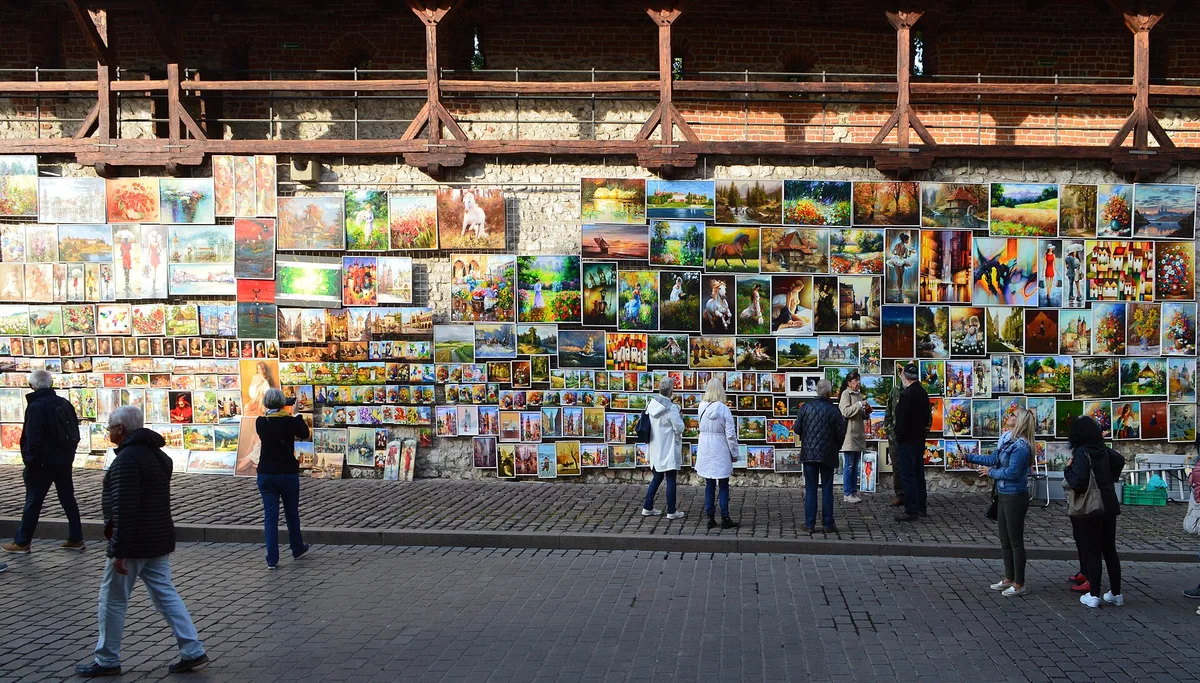
Marfa, Beacon, and Provincetown each turned cheap space and one committed institution into small-town economies that run on art.
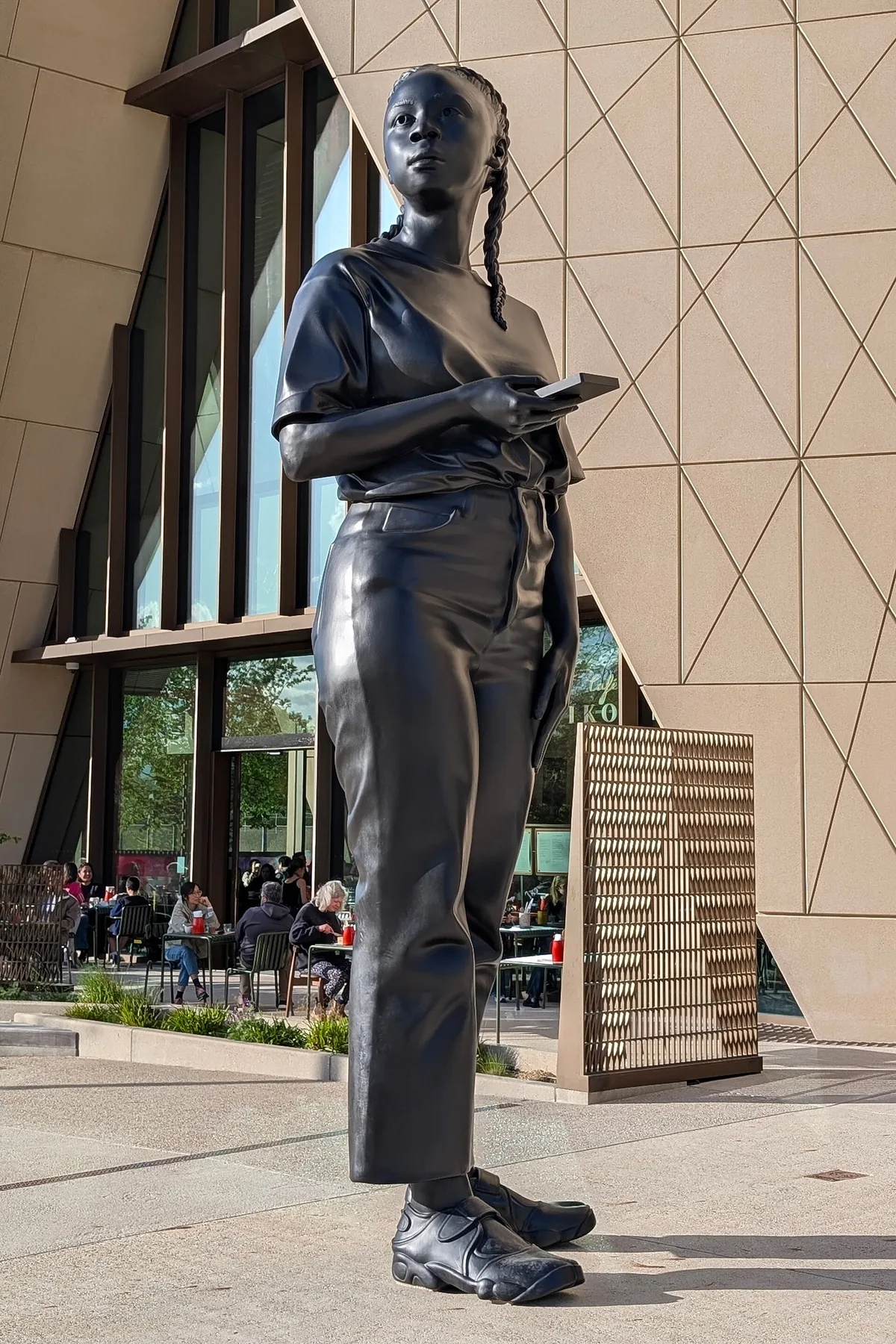
Galleries typically keep 25 to 50 percent of a sale, and consignment keeps ownership and risk with the artist until a buyer pays.
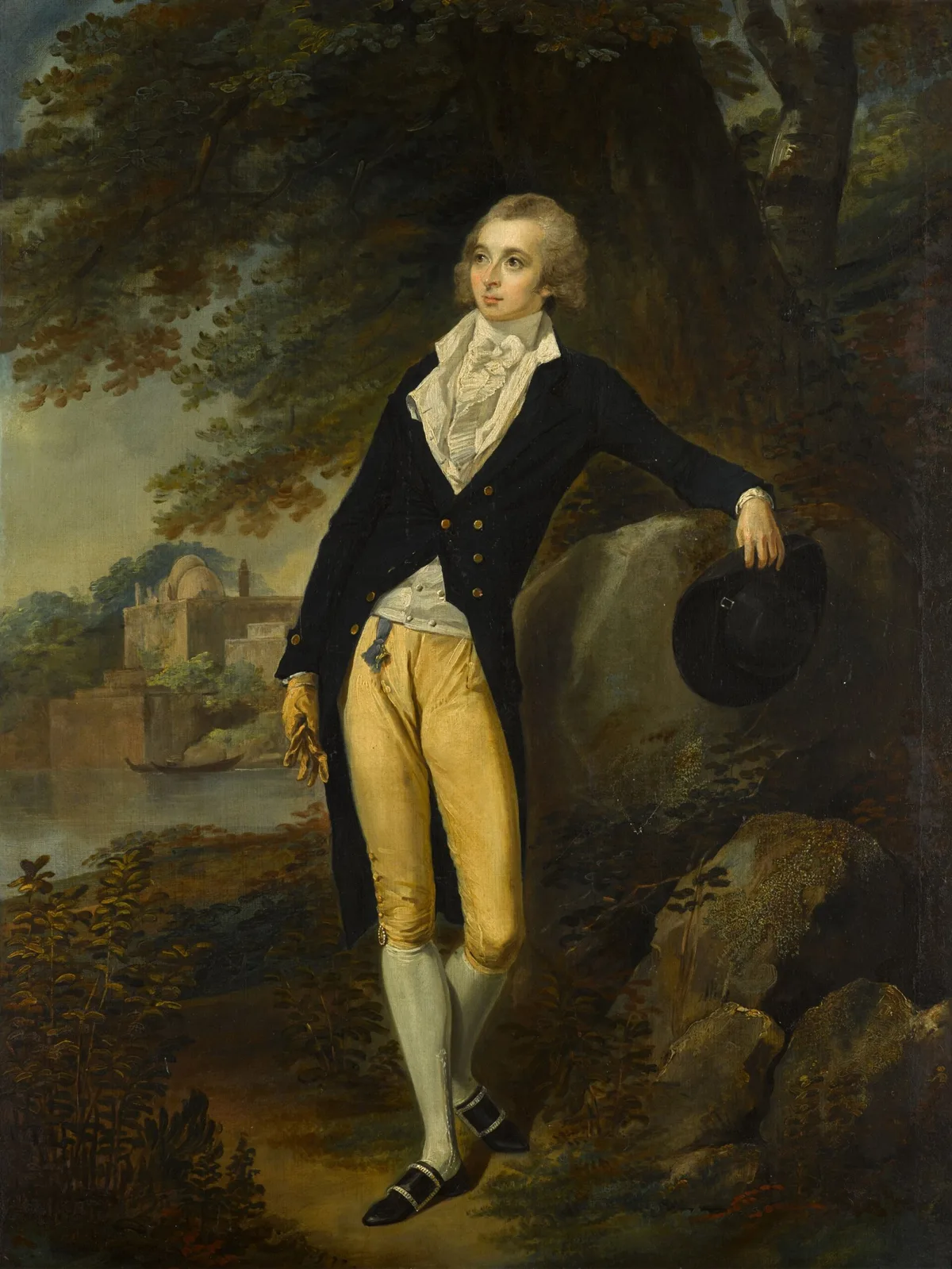
The hammer price is the winning bid; buyer's premiums, seller commissions and United States resale law decide who actually keeps the money.

Art critics look, describe, and judge. Here is what actually happens when a critic reviews a show, from first notes to published review.
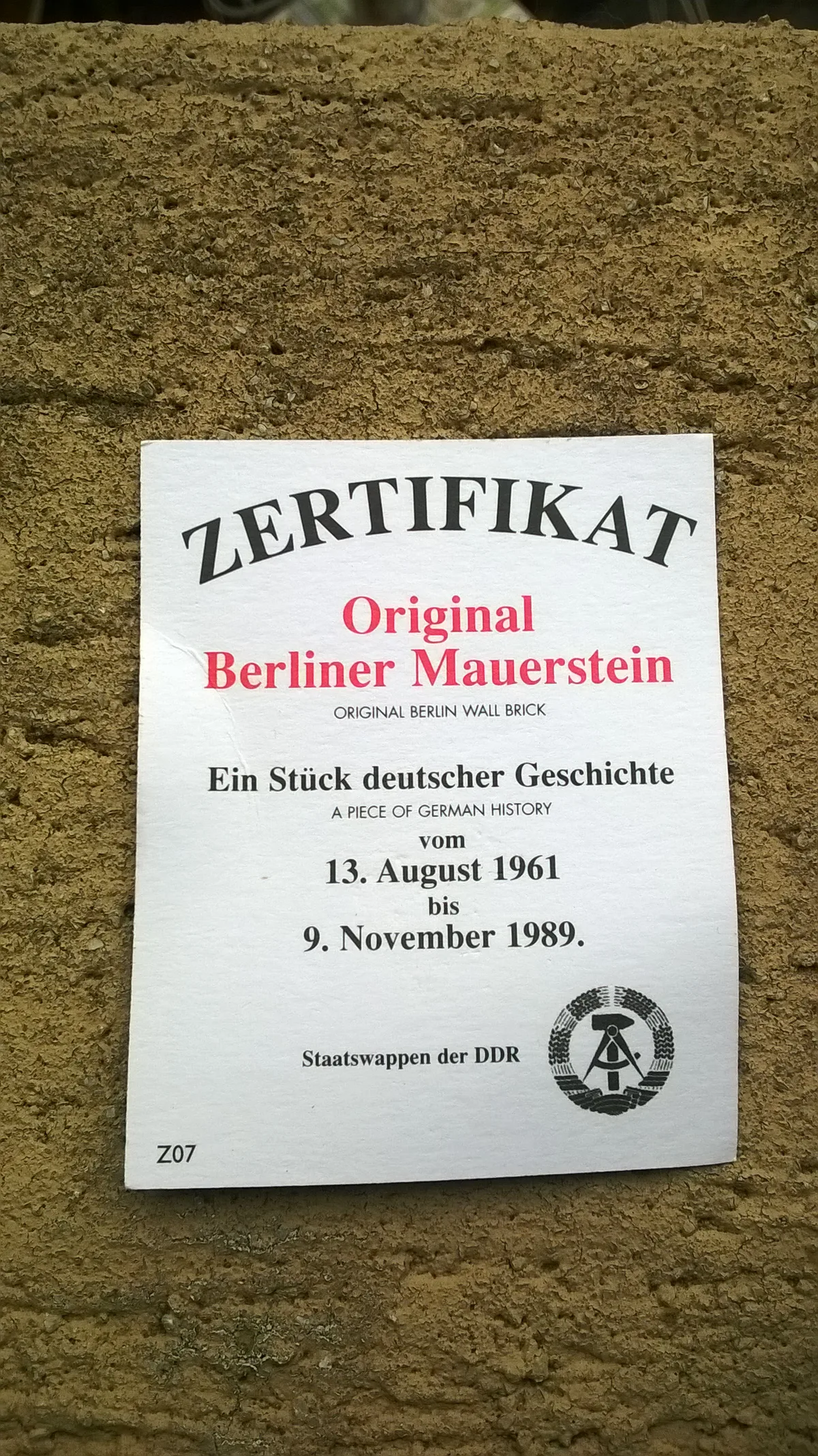
A certificate of authenticity promises a lot on paper. Here is what a valid COA contains, what it guarantees, and where buyers get fooled.
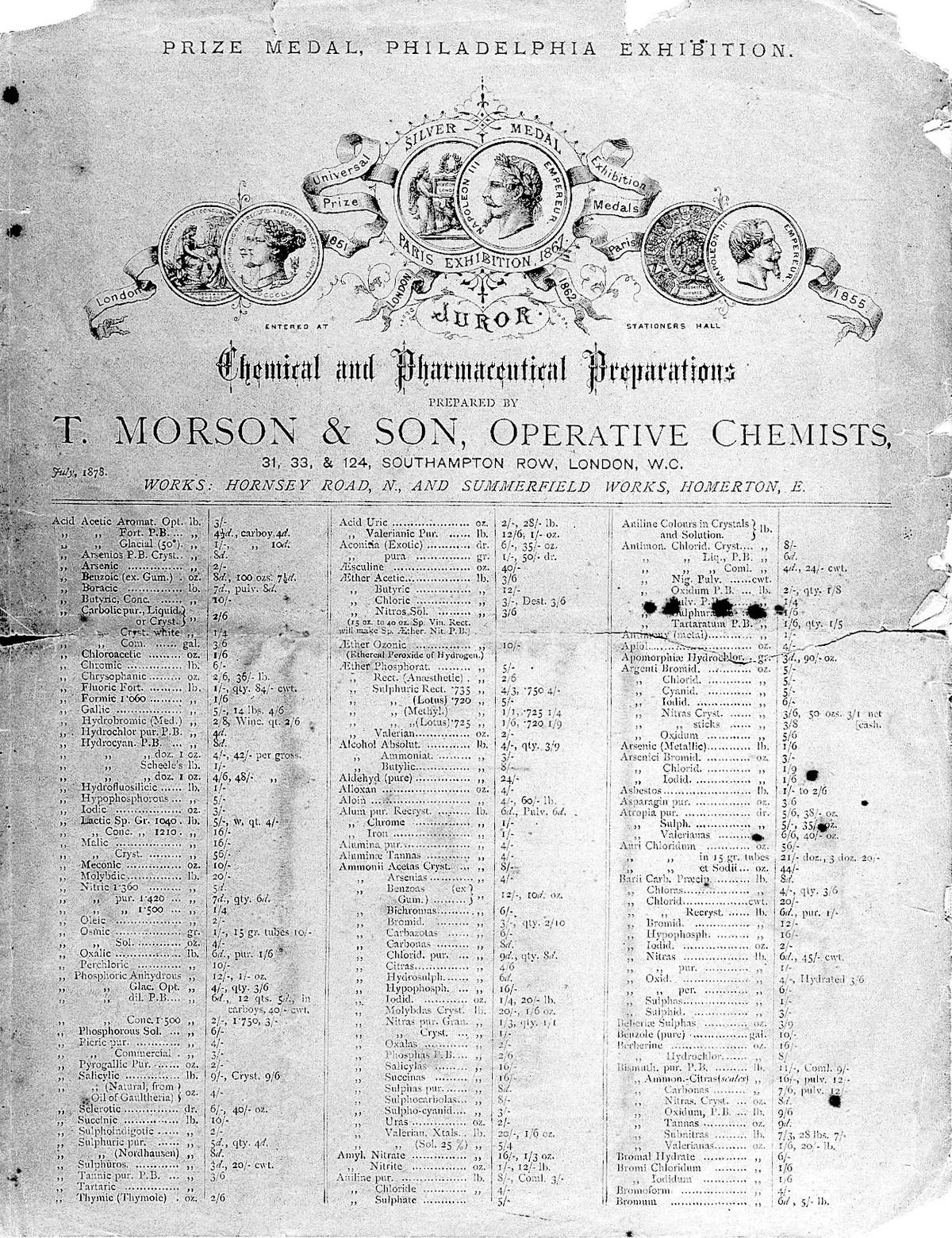
A plain guide to reading a gallery price list and asking about artwork prices, from what the list shows to who sets the numbers.
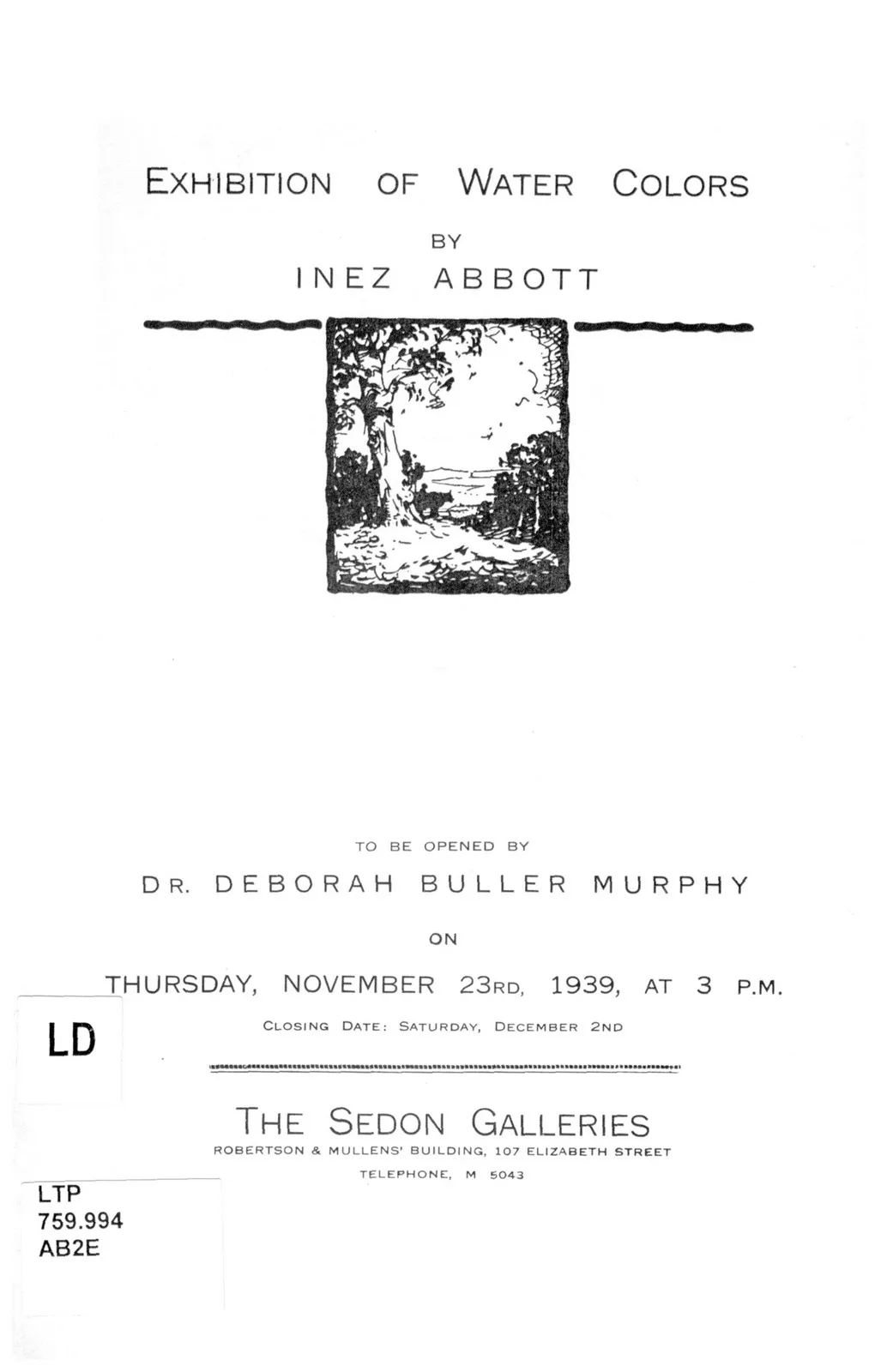
An exhibition ends, but its catalogue stays on the shelf. Here is how these books are made, what goes inside, and who covers the cost.
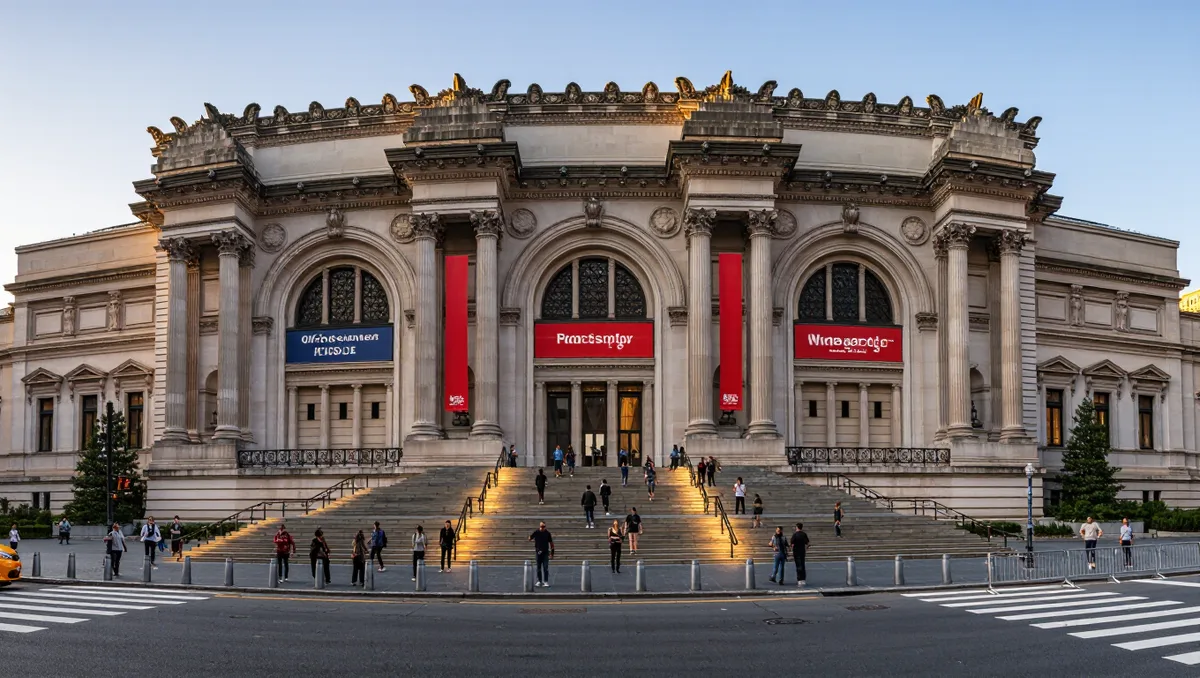
New York's major collections are cheaper than the ticket counter suggests — if you know which door to use.