Walking into a gallery costs nothing, needs no appointment, and requires no plan to buy. Commercial galleries earn when work sells, and the door stays free, unlike museum shows that usually charge. West Chelsea alone holds more than 200 galleries, so a first walk has an easy map.
The door is the hard part. Inside, the rules are few, the staff expects browsers, and the worst outcome is a short, free hour in front of strange art. Here is how the room works.
What Is a Gallery, and Who Pays for It?
A gallery is a room or a building where visual art goes on display. The ones on city blocks usually work as businesses: they sell art, split the money with artists, and keep the lights on that way. Others run as cooperatives or nonprofits, which changes who signs the checks but not who walks in.
The business model explains the free door. Per the standard reference distinction, a museum exhibition typically charges entry, and a commercial gallery does not. Browsers are welcome because looking is part of how a market stays alive.
How Does a First Visit Actually Go?
Plan on half an hour. The routine fits in four moves:
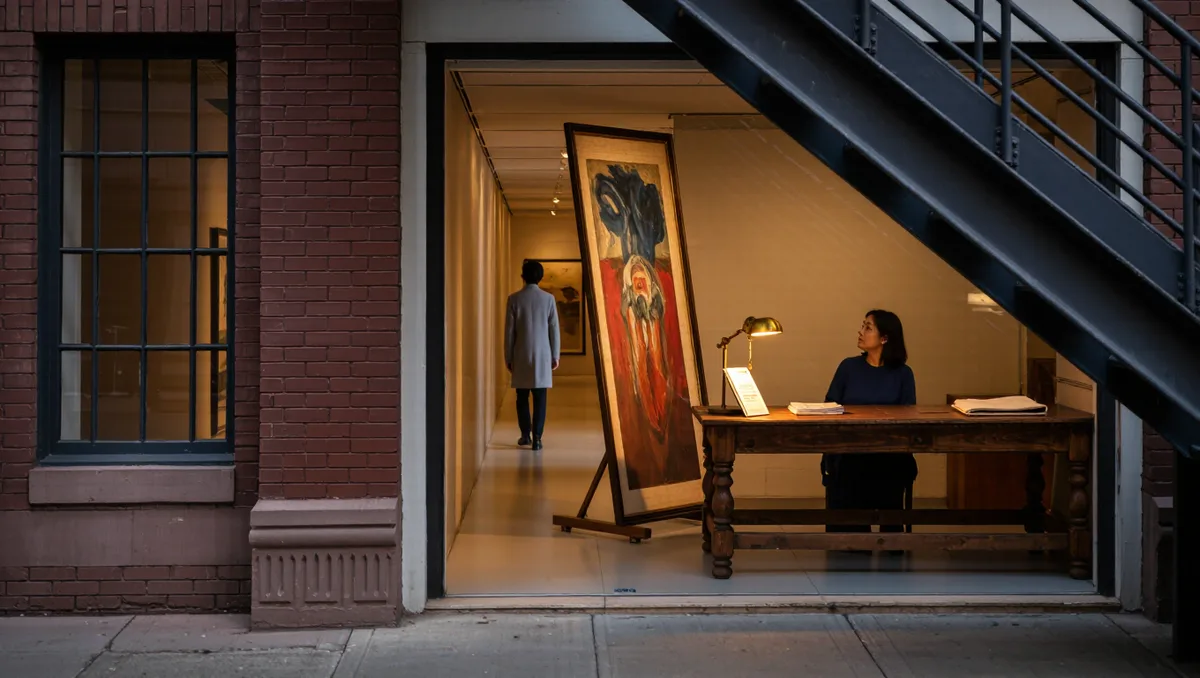
- 1. Walk in. Nobody pounces; a staffer may glance up from the desk and go back to email.
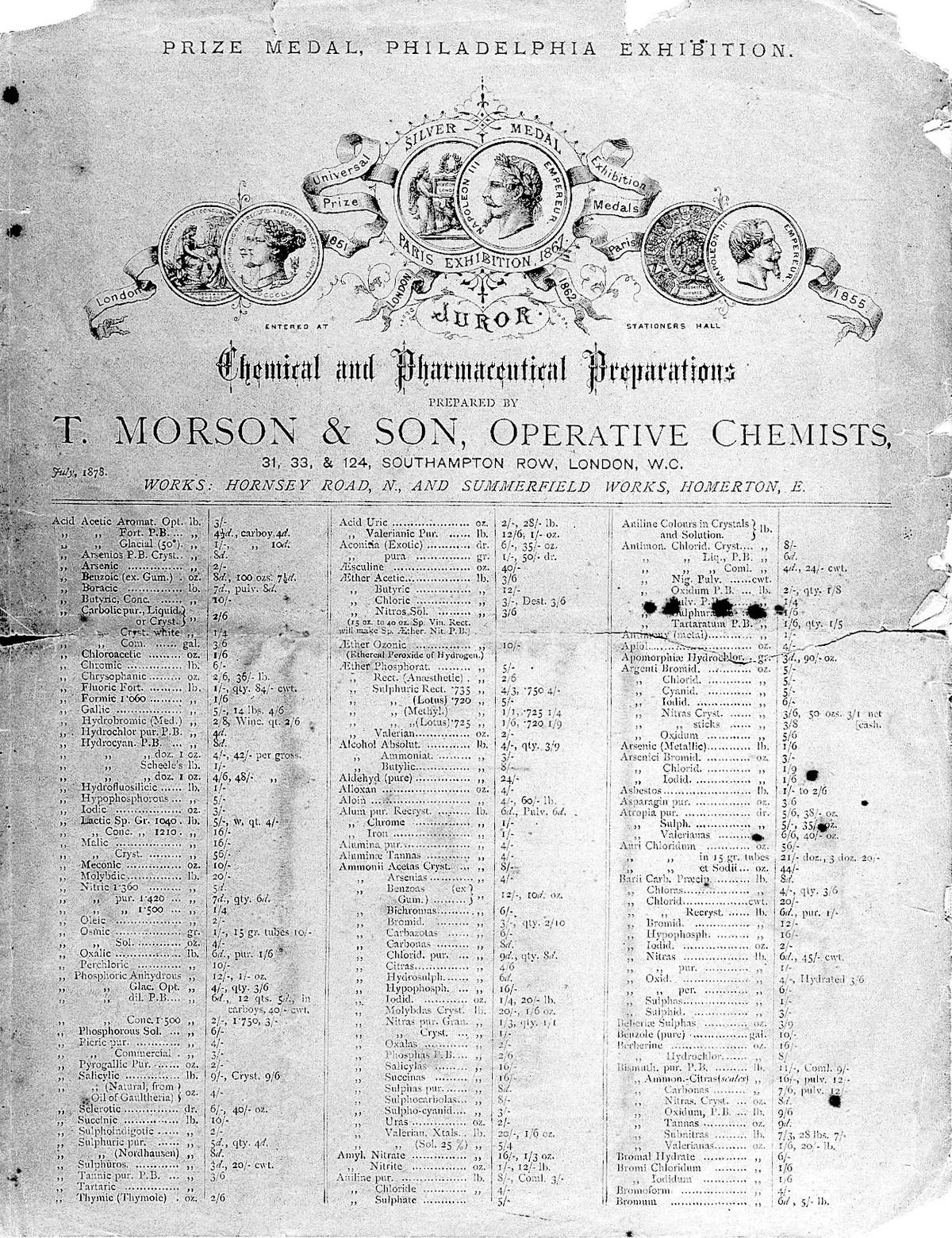
- 2. Find the checklist near the door. It lists artists, titles, dates, and prices when the prices are public.
- 3. Look close, then step back. Distance is where a painting explains itself.
- 4. Ask one question out loud. Desk staff answer basic questions all day, and answering them is part of the job.
Buying stays optional. Looking is the whole job of a visitor, and galleries build for it: the trade runs on keeping connections alive between artists, collectors, and the experts who write about work. Prices are also less mysterious than people fear. When work is for sale, the checklist carries numbers, and the desk handles the rest of the talk.
The rooms carry history, too. Displays of art once stood for status and wealth, mostly in palaces and churches. The modern reasons read friendlier: enjoyment, education, preservation, and, yes, sales. The door got wider each century, and it has never been wider than now.
Where Should a First Walk Start in New York?
In the late 1990s, dealers left SoHo as rents climbed and upscale retailers outbid them for big, airy floors, and the trade resettled between Tenth and Eleventh Avenues and 16th and 28th Streets, per the neighborhood’s documented history. The strip now holds more than 200 galleries inside old industrial blocks.
That rent story is a working-artist story too. Rising costs pushed galleries across Manhattan, and they push painters across the East River the same way. A first-timer profits from the wreckage anyway: block after block of free rooms, a whole afternoon for the price of a subway swipe. For related coverage, see Why New York Needs Artist-Run Galleries.
Is It Fine to Look and Never Buy?
Yes, and no apology is owed. Sales keep a gallery alive, but foot traffic, questions, and openings keep its world alive too. Staff talk with strangers all day. Come back twice and faces start to register. Familiarity, not a receipt, is how most relationships with a gallery actually start.
One habit keeps the visit honest: admit what the visit has not taught. Silence reads as thought in a gallery, and thought is welcome.
Conclusion: The Door Is the Hard Part
Everything after the door is easy: free entry, few rules, staff who answer questions, and blocks of rooms built for exactly this kind of visit. Start in West Chelsea, read the checklists, ask one question per room, and let the quiet ones be quiet. The habit forms fast, and the price stays at a subway ride. We covered a connected angle in How to Read a Gallery Price List and Ask About Artwork Prices.