A small gallery enters a fair by applying six to twelve months ahead, proposing a specific booth, and, if accepted, paying a fee typically reported in the low five figures at the majors and less at younger fairs such as NADA. The payoff: a season of sales in five days. The risk is the same number with a minus sign.
Booth fees shift year to year and fair to fair, and galleries guard their numbers the way artists guard prices, so the figures here are the ranges the trade openly discusses rather than any single fair's invoice.
How does a small gallery get into a fair in the first place?
Through an application, submitted roughly six to twelve months in advance, that proposes a specific presentation: which artists, which works, which argument the booth will make. A committee of dealers and fair staff reviews the proposal, weighs the gallery's program, sales record and reputation, and returns acceptances, rejections and, famously, waitlists that half the trade seems to live on.
The fair world runs on tiers, and small galleries climb them. The entry rungs are the younger and specialist fairs, NADA, Independent, Spring/Break and their peers, where fees run lighter, committees reward ambition over brand, and a strong first outing builds the case for the next tier up. The majors, The Armory Show among them, sit at the top of the ladder with fees, foot traffic and scrutiny to match. Skipping rungs happens, usually through relationships, but the ladder itself is real and everyone in it can recite it.
Relationships decide the ties. Fair directors know their exhibitors, and a gallery that sold well, behaved professionally and shipped on time is a known quantity, while an unknown one is a risk. That is why reapplying after rejection is standard practice: a fair that said no this cycle is often signaling not never but not yet, and the same proposal, sharpened, with a stronger exhibition history behind it, is a different application entirely.
What does a booth actually cost once everything is counted?
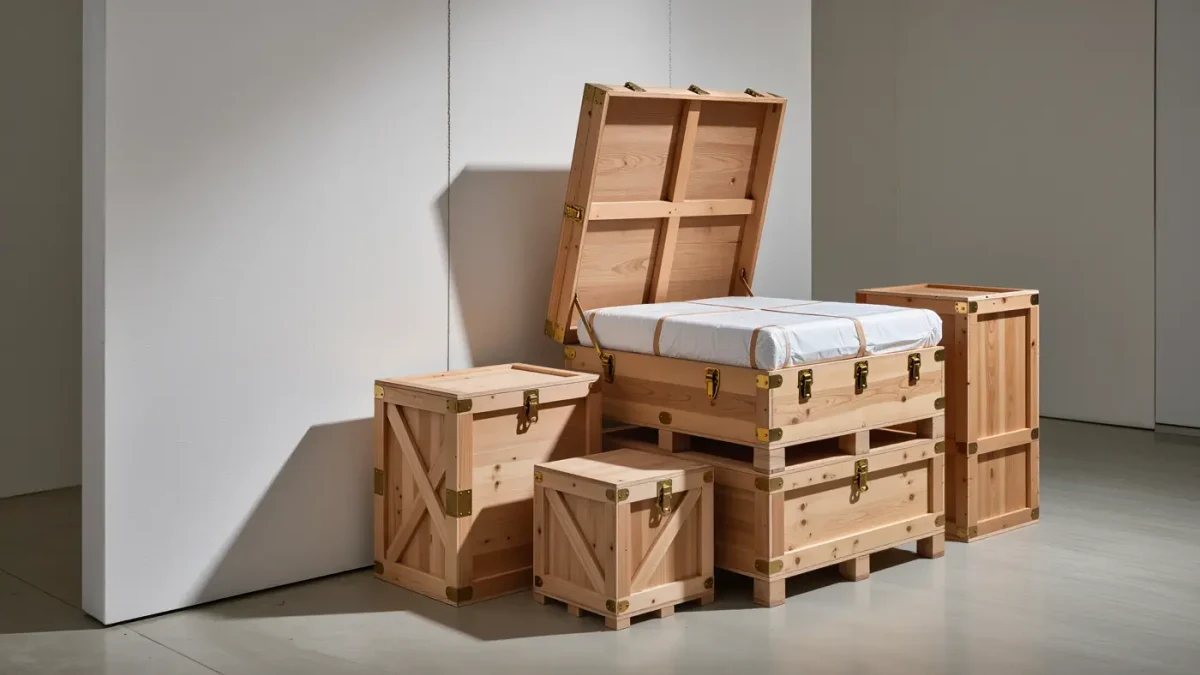
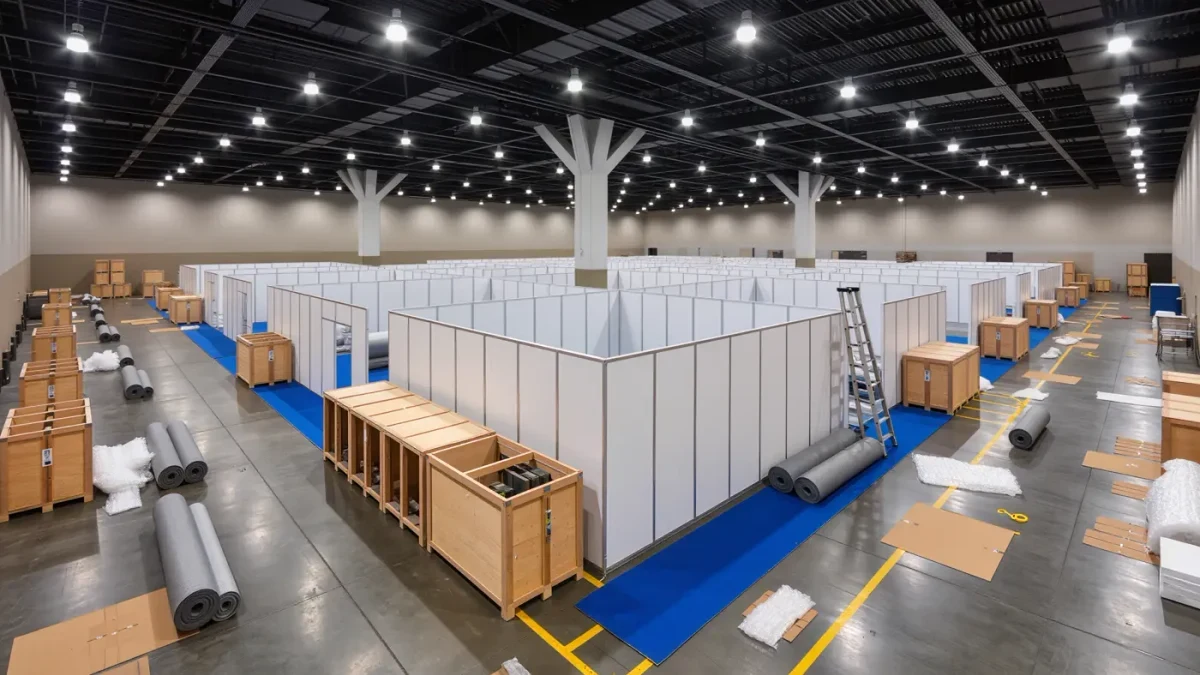
More than the sticker, always. Beyond the booth fee there are walls, lighting and buildout, shipping and custom crates both directions, flights, hotels and per diems, insurance, badges, storage, and often the production of new work meant to debut at the fair. The shorthand dealers use among themselves is that everything roughly doubles once a booth leaves home.
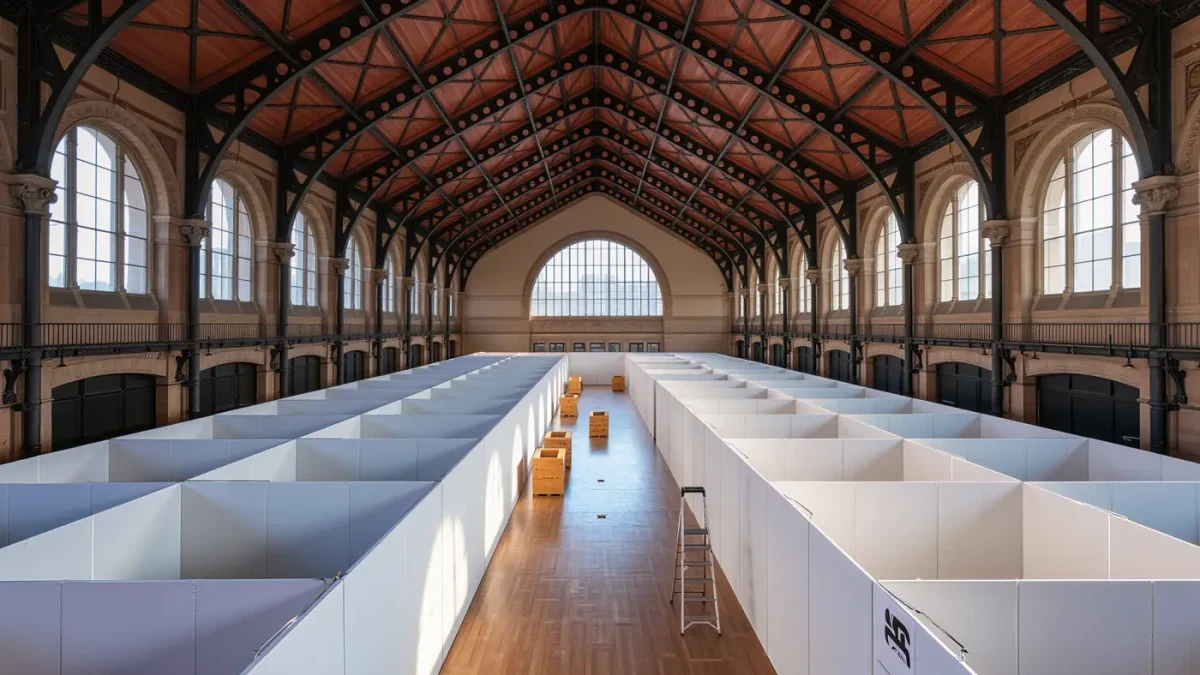
Fees scale with floor space. Booths are priced by area with premiums for corners and peninsulas, and the majors are commonly reported in the low five figures for the smallest stands, rising steeply with each size tier, while the younger fairs price meaningfully below that. A small gallery can shave costs with a modest footprint, a shared stand where the rules allow it, or consigned presentations in which artists shoulder part of the expense in exchange for placement. Each of those trades something, footprint, control or margin, for the right to be in the room.
The cash flow is the quiet killer. Costs land months before the fair, sales land during it, and artist shares are typically paid thirty days after the collector's money clears, which means a gallery can have a successful fair by any honest measure and still spend a stretched quarter financing it. Small galleries with thin reserves plan fairs the way farmers plant, on last year's harvest.
What sells at a fair, and what just decorates the booth?
Price points rule. Works at the accessible end of a gallery's program, editions, works on paper, modest canvases, move fastest; one statement piece anchors the booth's seriousness whether or not it sells; and the first preview hours decide a surprising share of the total outcome, which is why pre-selling matters. A fair wall is a store window at speed.
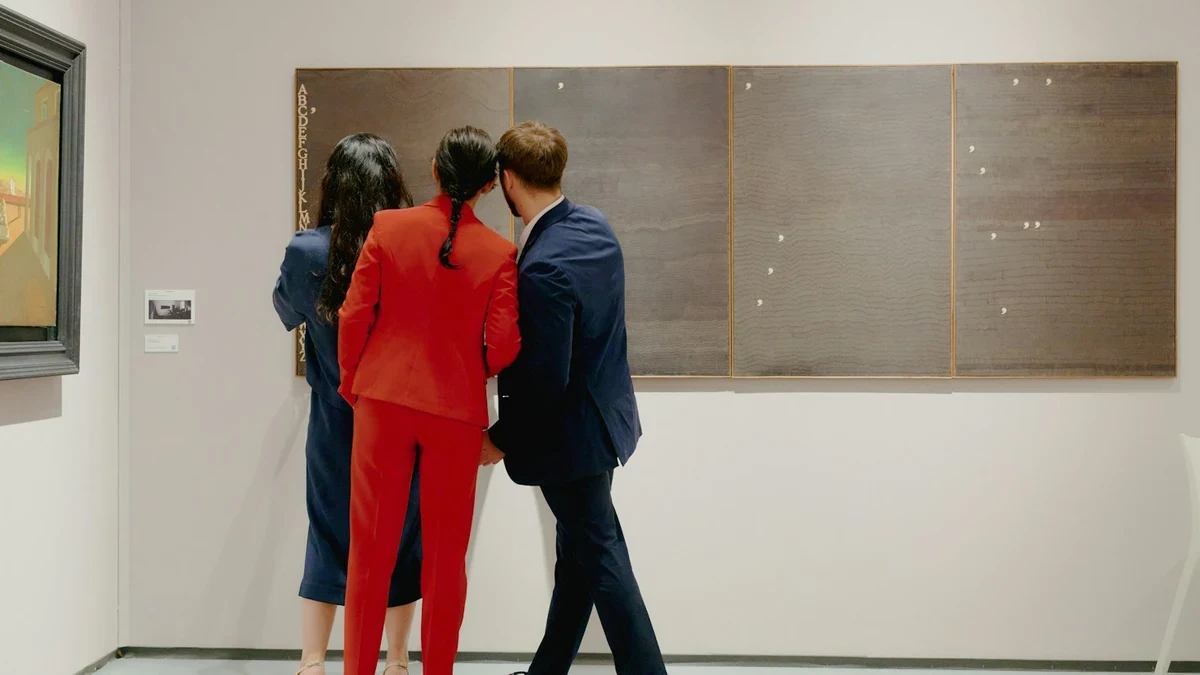
Pre-selling is the trade's open secret. Collectors receive images and prices before the doors open, and many arrive knowing exactly what they intend to see; the VIP preview's first two hours frequently account for a fifth or more of a booth's sales, by dealers' own accounts. Sold walls then do their own selling, because nothing persuades like the news that others have already chosen. A reserve sticker is as much marketing as record-keeping.
The casualties are the difficult works. Fairs reward legibility at a walking pace, and ambitious, slow, unphotographable art often waits for the room back home, where a collector can stand in front of it for ten unhurried minutes. The strongest small booths fight this by staying narrow: one artist, one argument, depth over variety. A booth that tries to be the whole gallery usually succeeds at being none of it.
How do galleries squeeze five days for all they are worth?
Preparation and follow-up. Galleries send preview lists to their collectors before opening, book meetings into the fair's margins, take notes on every conversation at the stand, and then work the leads for months afterward, because a fair's true yield is measured in relationships that mature later. The booth is five days long. The pipeline it feeds runs all year.
Staffing is its own arithmetic. Someone must hold the stand, someone must walk the aisles, and at a small gallery those are the same two people plus whichever assistant can be spared, running on coffee and the fair's terrible sandwiches. The director does the diplomacy and the discounts; the staff does everything else; and everyone flies home on Sunday night with a condition report and a voice that has run out.
The last discipline is the debrief. Within a week or two of the fair closing, serious galleries write down what sold, to whom, at what discount, and which conversations carried real promise, then file the notes against the booth's true all-in cost. The exercise takes an afternoon and separates the fairs that deserve next year's application fee from the ones that were merely expensive habits. Memory flatters. Spreadsheets do not.
When is a fair simply not worth the money?
When the math has stopped being checked. A gallery that does six fairs a year because everyone seems to do six fairs a year, without asking which ones produced collectors who came back, is running on fear. The honest calculation weighs total cost against sales, new relationships and artist morale, and it frequently argues for doing less.
The fear is understandable. Fairs concentrate the market's money and attention into a few weeks, artists watch who is visible where, and skipping a season reads, to anxious minds, as disappearing. But visibility that loses money is just slower bankruptcy with better lighting. Choosing fewer fairs, choosing them deliberately, and keeping the room back home strong is the discipline that separates the galleries that last from the ones that burn bright and fold.