
Galleries
How Galleries and Artists Split Sales
The split is the famous half of the deal; the deductions, discounts and payment timing are the half that decides what an artist actually banks.
Coverage of the galleries that carry contemporary art: program direction, roster arrivals and departures, expansions, closures and how consignment and representation actually work. Includes blue-chip spaces and artist-run rooms. Useful for artists weighing an offer and for collectors reading a program's intentions.
Coverage of the galleries that carry contemporary art: program direction, roster arrivals and departures, expansions, closures and how consignment and representation actually work. Includes blue-chip spaces and artist-run rooms. Useful for artists weighing an offer and for collectors reading a program's intentions.
The split is the famous half of the deal; the deductions, discounts and payment timing are the half that decides what an artist actually banks.
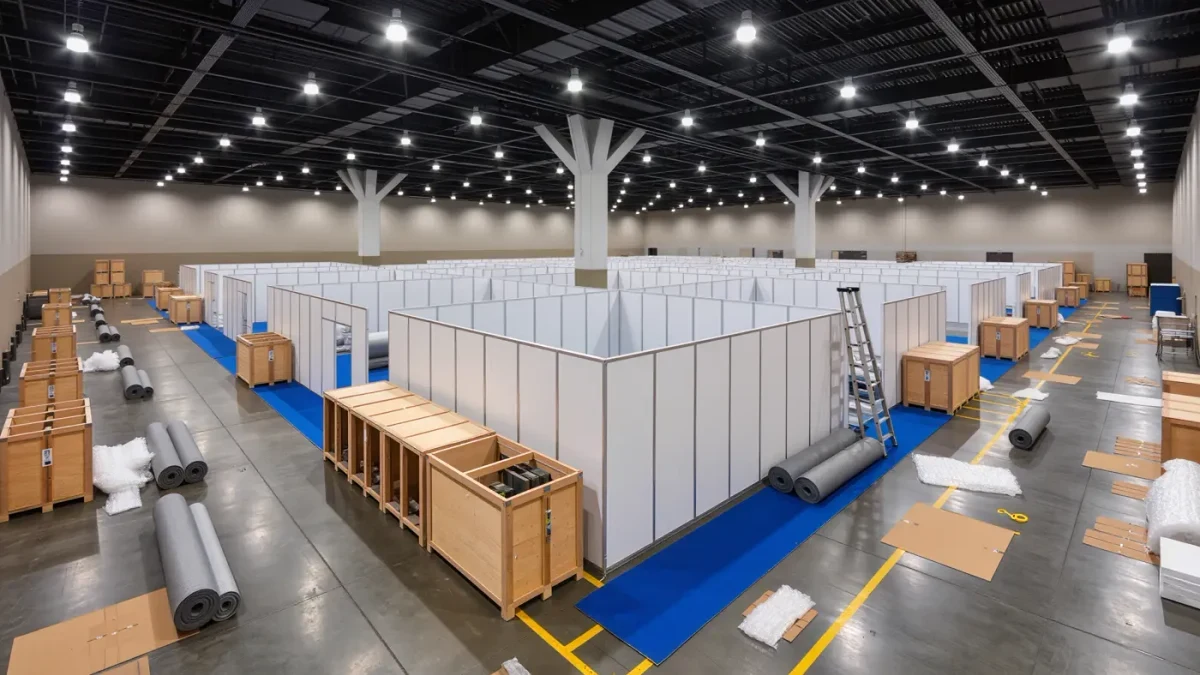
Applications months out, fees that quietly double, five days of selling: how the art fair economy is supposed to pay a small gallery back.

Front desk, condition reports, shipping quotes, install weeks and invoice chasing: the actual working day of a gallery assistant, minus the glamour.
A solo exhibition is the biggest bet a gallery places on one artist, and the arithmetic behind the offer is rarely what artists imagine.
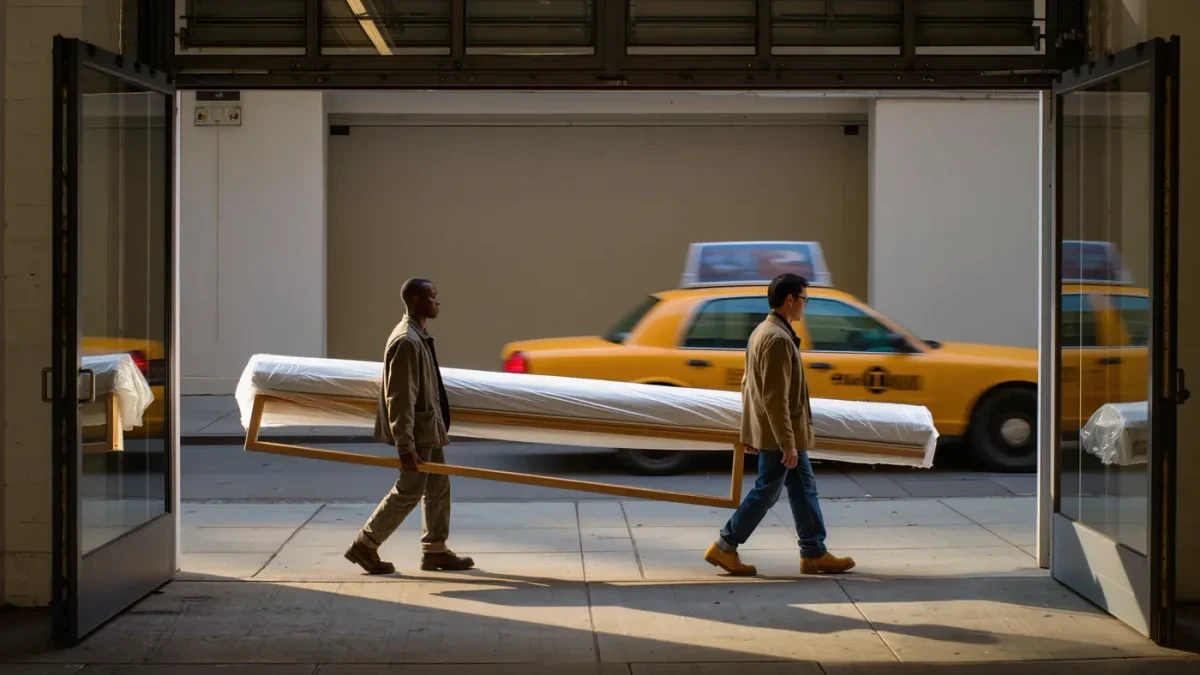
From SoHo's lofts to Chelsea's garages to Tribeca's bank buildings, galleries have always chased cheap square footage and dragged the city's art map with them.
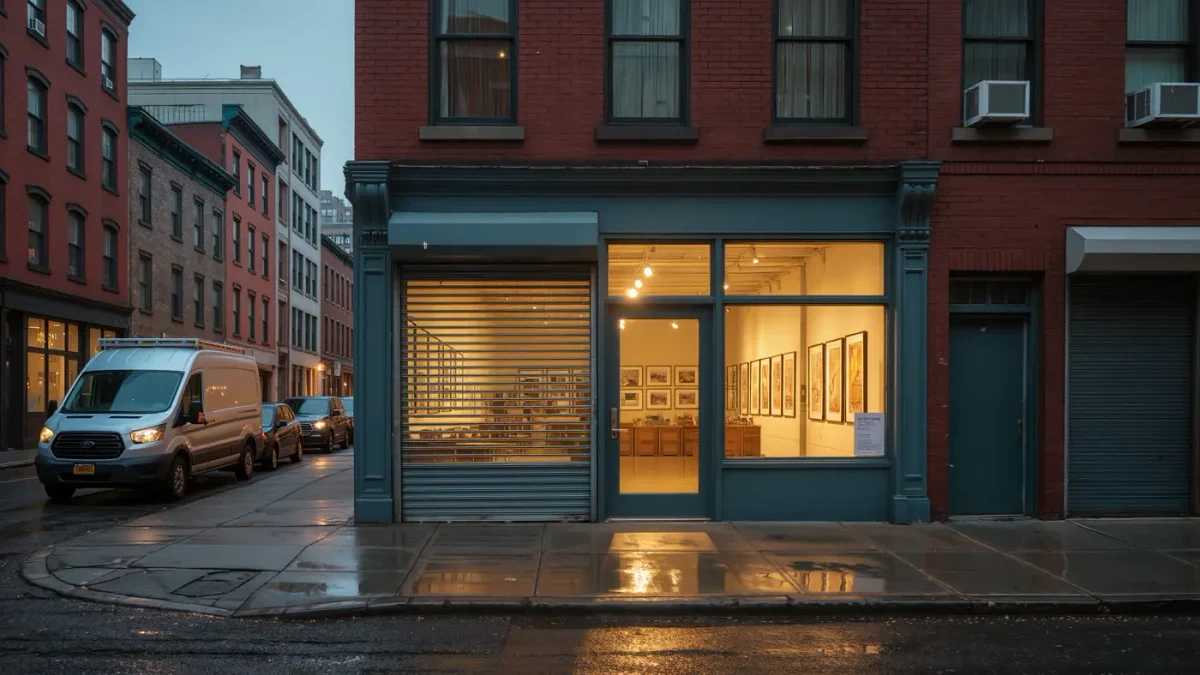
Between the lease and the lumpy art market, small New York galleries stack half a dozen incomes on top of one address.

Representation deals are handshake-first agreements that harden into a one-page contract built on exclusivity, term, territory and a fifty-fifty split.