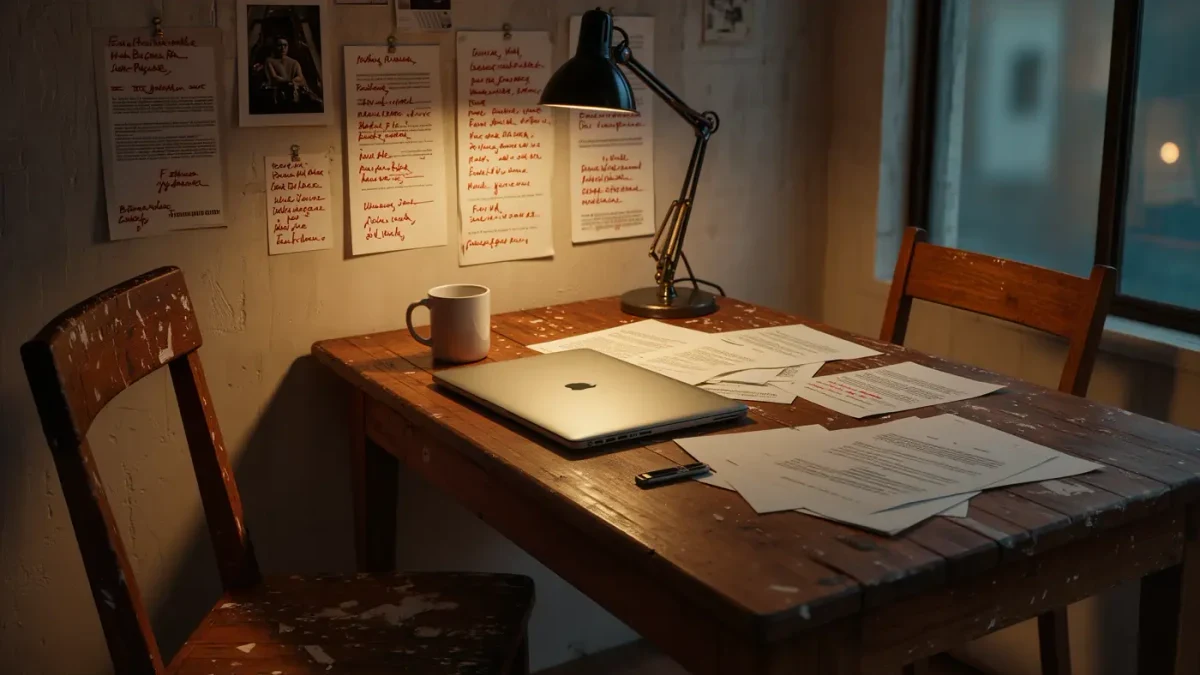
A portfolio gets noticed when it does one job: a short, edited set of strong images plus a clear statement about the work. That is the package panels see at the New York Foundation for the Arts, a charity founded in 1971 to back working artists, and at foundations that fund studio practice.
This guide breaks that job into parts. It covers what a portfolio is, how many images to keep, what funders read, and where New York artists put the file to work, from fellowships to grants. We covered a connected angle in How Artist Residencies in New York Work.
What Is an Artist Portfolio, Exactly?
The shared definition is plain. A portfolio is an edited collection of an artist’s strongest work, built to show a style or a method of work. The standard reference names both paths a panel can read: proof of range across many projects, or depth in one area. Portfolios once lived as printed folios. Today most sit online, open to a far wider audience at any hour. A file also travels where the artist cannot. It applies for studio programs and fairs while the artist is still at the day job.
How Many Images Should Stay in the File?
Editing is the hard part, and the honest answer is: fewer than feel comfortable. Panels read depth and control. A bloated folder hides both. Four rules keep the cut honest:
- 1. Build the set around one body of work, or one clear method, so the file proves something specific.
- 2. Cut any image that needs an excuse. If it survives only because it took weeks to make, it goes.
- 3. Photograph every finished piece flat, straight, and true to color. Bad files sink good work.
- 4. Refresh the set after each finished series. A portfolio is a living tool, not a pile of old wins.
One more habit separates working files from dusty ones: keep the records that prove a piece exists. Title, year, size, materials, and where it landed. That list reads like dry paperwork until a funder asks for it in week one, and then it is the cheapest hour the studio ever spent. Readers following this should also see The Money That Exists: NYC Grants for Working Artists, Explained.
What Should the Artist Statement Say?
Keep it short and human. Say what the work is made of, what it does, and why it had to exist. Plain sentences beat jargon, because a tired reviewer skims. One page is plenty. Then match the words to the images. If the statement talks about cities and the pictures show none, a reader stops trusting both.
Where Can New York Artists Put a Portfolio to Work?
Money follows the file. The Pollock-Krasner Foundation, established in 1985 at the bequest of the painter Lee Krasner, funds painters, sculptors, printmakers, and artists who work on paper. Per the foundation’s published history, it has awarded more than 5,000 grants across 79 countries, a total above $87 million.
Start local, too. The New York Foundation for the Arts, set up in 1971 by the New York State Council on the Arts, runs Artists’ Fellowships as one of its core programs, next to professional development for working artists. The organization has since expanded its programs around the country and overseas, but the home audience never changed: the working artist with a folder. Grants like these pay for rent, materials, and time, which is what money actually means inside a studio.
Read each application twice and send the same edited file everywhere, tuned to each form. A form filled in a hurry wastes the years behind the images.
Conclusion: A Portfolio Is a Working Tool, Not a Trophy
A portfolio is not a trophy case. It is a tool, and tools get used: fellowships, grants, residencies, studio programs, first dealer meetings. Keep the set small, the statement plain, the files dated, and the whole thing current. The artists who get noticed are rarely the loudest ones. They are the strangers a panel can understand in four minutes.