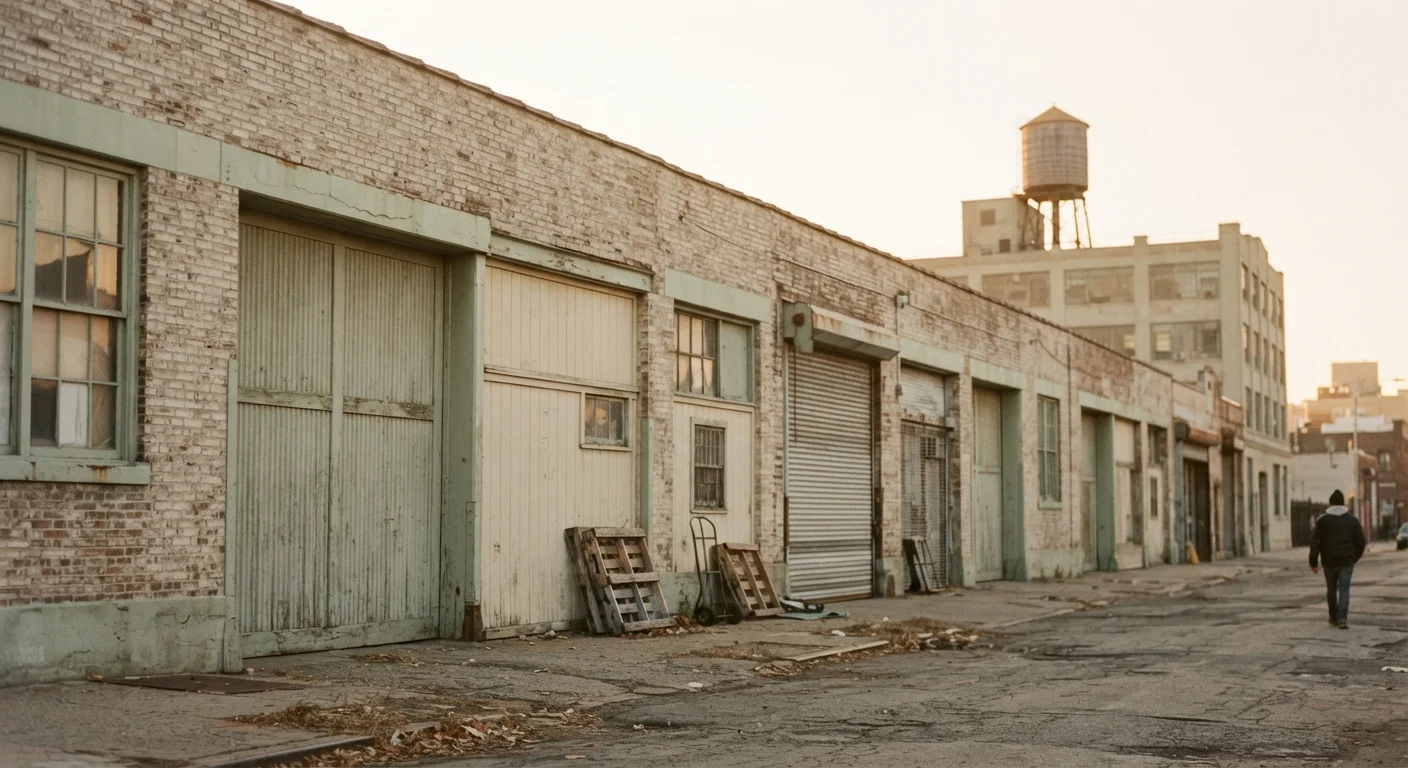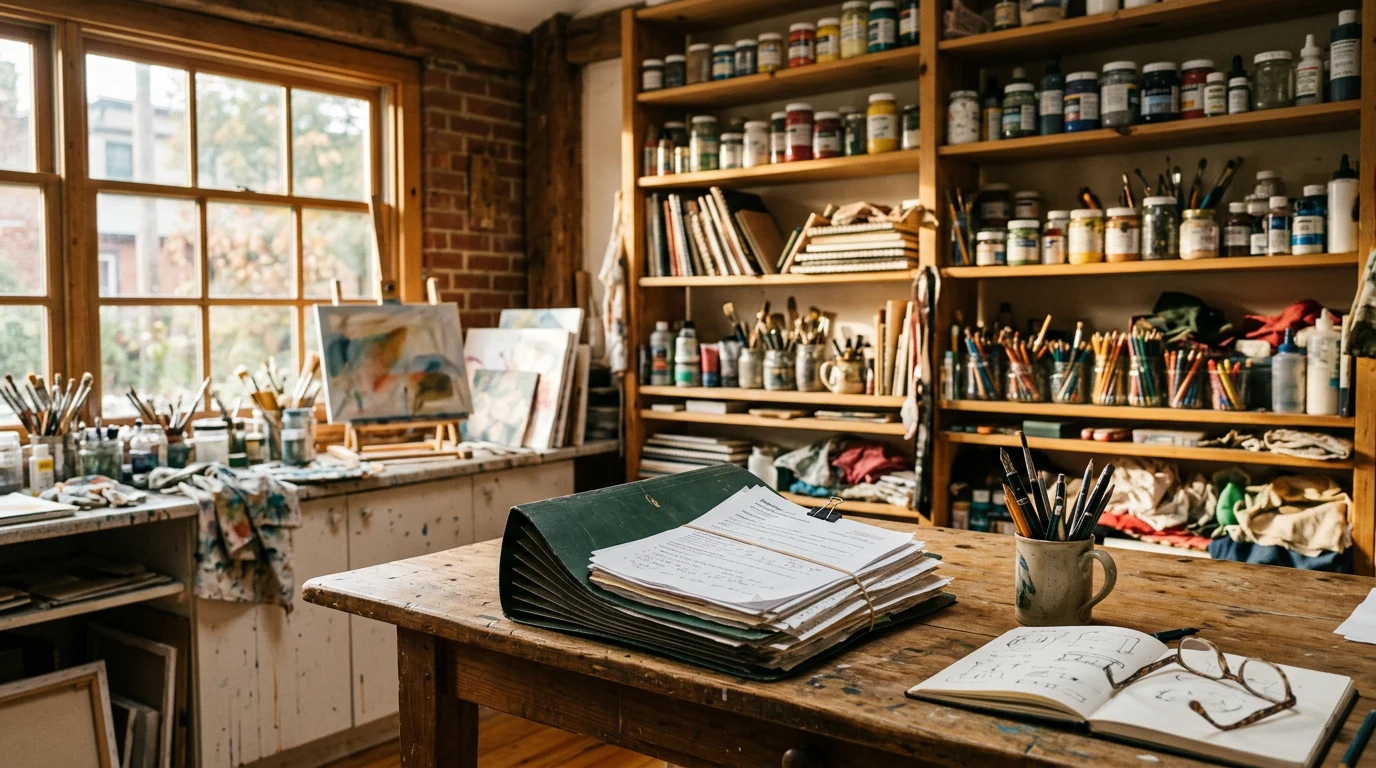
A studio visit is a thirty-minute meeting in the one room where all your work lives. Get it right and a collector buys, a curator files your name away for a show, a dealer starts paying attention. Get it wrong and nobody says anything rude — they just leave, and you never hear from them again.
The good news is that hosting one well is a craft, not a mystery. It runs on preparation, honest staging, and a few conversation habits anyone can learn. This guide walks through how to host a studio visit from the first email to the follow-up note, whether the guest is a first-time buyer or a curator who has seen ten studios that week. If you are still hunting for the room itself, our guide on how working artists actually find affordable studio space in NYC covers that battle separately.
What should you do before anyone shows up?
Confirm the appointment twice. Send a short email when the visit is booked and a brief reminder the day before, with the address, the buzzer code, and anything the guest needs to know about the building. Studio buildings are confusing. A freight elevator that only runs at certain hours has ended more visits than a bad painting ever will.
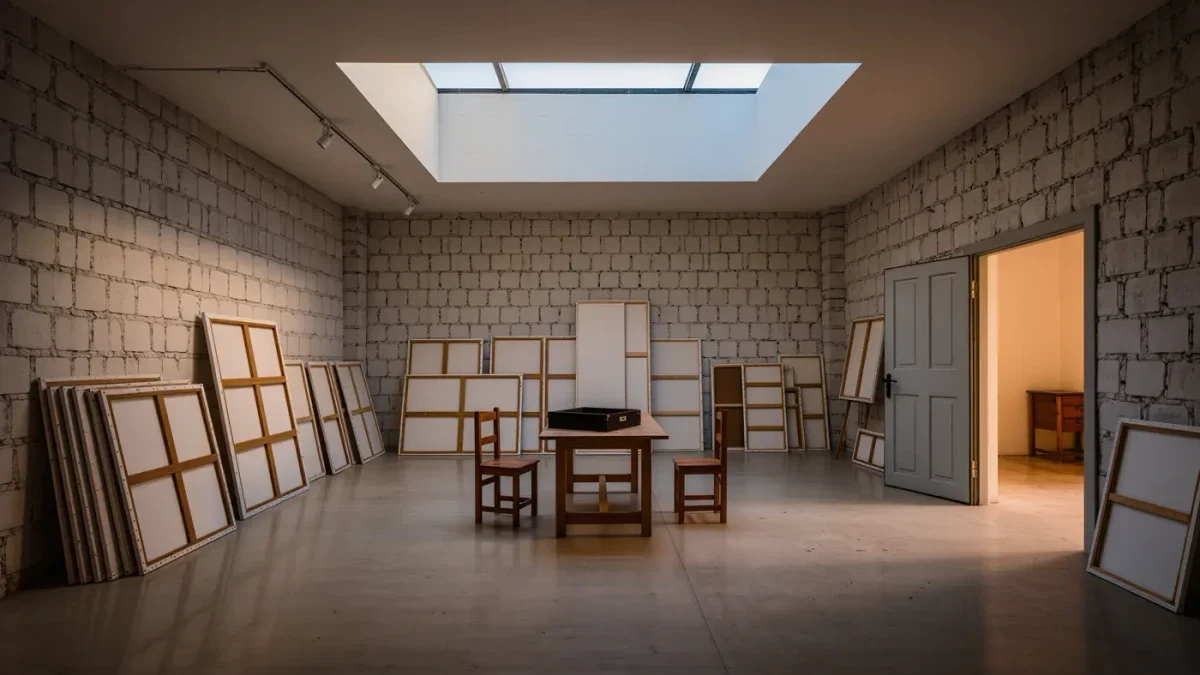
Then edit the room. A visit is not a storage raid. Put finished work where it can be seen cleanly, lean pieces against a clear wall, and move the rest out of sight or stack it neatly. Guests read clutter two ways: as a working studio, which is fine, or as an artist who cannot make decisions, which is not. Aim for the first.
Have one or two things ready to show that you can talk about with energy. Most guests will only genuinely engage with a handful of pieces. Decide in advance which ones carry the story, and let the others sit quietly.
How do you stage the space without faking it?
Staging means control, not disguise. Clean the floor near the work. Make sure the lighting on your main pieces is honest — a bulb that flatters everything flatters nothing once the work gets home. Sweep up dust from sanding. Open a window if you use solvents; our piece on how artists handle solvents and ventilation explains why your lungs will thank you either way.
Keep a small side table or a clean folder with the practical stuff: a price list, images of works already placed in collections if you have them, and a card or a way to follow up. You do not need a printed catalog. You need the guest to be able to find you again without digging through email.
What you should not do is redecorate the studio into a fake gallery. Visitors expect a working space. Curators often like seeing the mess of process — the studies, the rejects, the wall of experiments — as long as it is legible. The goal is a studio that reads as yours, tidied to its best version, not a white cube with your name on the door.
What actually happens in the conversation?
Let the guest lead at first. Some want the full tour. Some want to sit with one painting for twenty minutes. Ask early what they are interested in, then follow their energy rather than your script.
When you talk about the work, talk about it plainly. Say what the piece is made of, what you were working through, what changed while you made it. Avoid the two failure modes: the lecture, where you recite every influence since art school, and the shrug, where you deflect every question until the guest gives up. Both read as nerves. Guests expect nerves. Say so if it helps — it usually does.
If a collector asks about price, answer directly and without apology. Hesitation reads as either improvisation or embarrassment, and neither helps you. If the work is not priced yet, say that you will send numbers this week — and then actually send them. If a curator asks what you are working on next, have an answer. It does not need to be a grand plan. "I am pushing this series toward larger scale and trying a new surface" beats "I don't really know" every time.
What does a visit from a dealer involve?
Dealer visits run on a different clock. A dealer is assessing whether your work, your output, and your temperament fit a program, not just whether one piece sells. They will often look at everything, ask about consistency, and want to know how much finished work exists. Our separate guide on what a studio visit from a dealer involves goes deeper on that dynamic.
For that kind of visit, have the back room ready. Unfinished work, older series, the pieces that did not sell — dealers frequently ask to see them. Hiding the archive suggests there is no archive. And keep the business side clean: know what you have sold, where, and roughly when, without performing either wealth or poverty.
What this means for your follow-up
Our analysis of how these visits actually turn out is simple: the visit itself matters less than what happens in the week after. Send a short thank-you email within a day or two, with images of the pieces the guest spent time with. Attach nothing heavy. Make it easy to say yes to whatever comes next.
Then let it breathe. Collectors and curators move slowly, and chasing reads as desperation. One polite follow-up a few weeks later is plenty. Meanwhile, keep making the work — because the thing that makes the next visit go well is the same thing that made this one matter: a body of work worth the trip. The economics behind keeping that practice going, from shared rent to how artists share studios and split rent, are part of the same working life.
Where does the studio visit fit in a working practice?
A visit is a door, not a verdict. Most visits produce nothing immediate. A few produce a sale. One, eventually, changes things. Artists who host them well treat each one as practice: they learn which pieces hold a room, which questions they answer badly, and what to stage differently next time.
And the room itself keeps earning. A studio that hosts well also hosts open studios, teaching, and community — the same space doing several jobs, as we covered in when a studio doubles as a classroom. Keep the work honest, keep the door open, and keep the price list current. That is most of the craft.