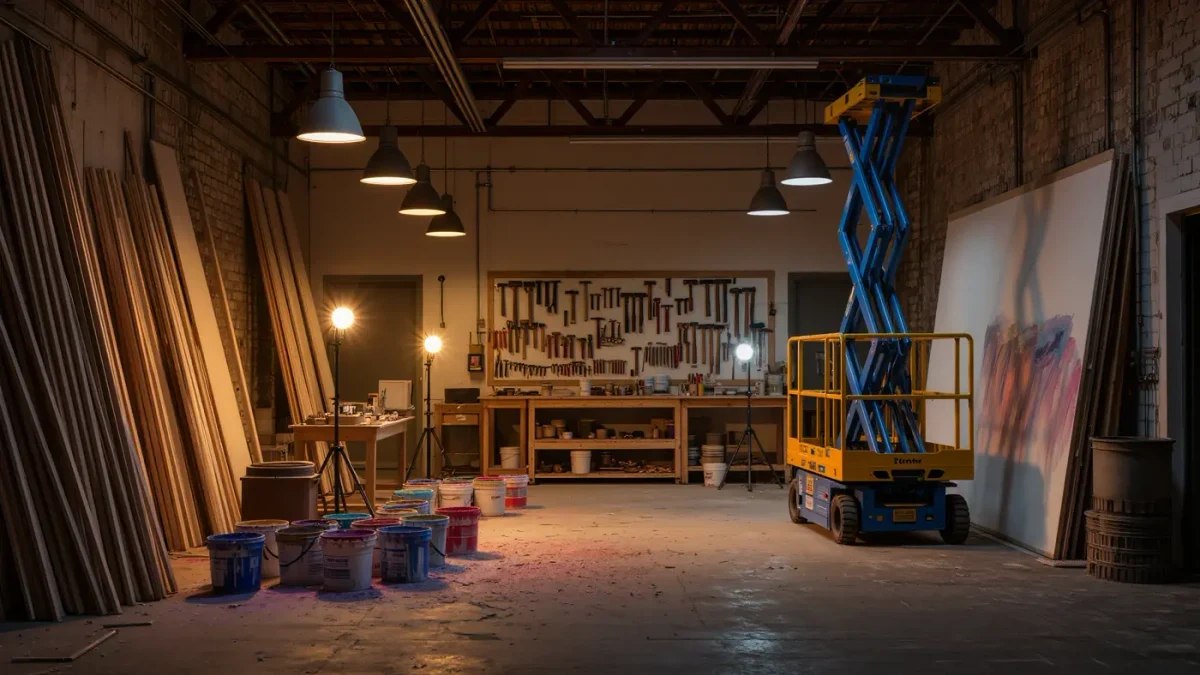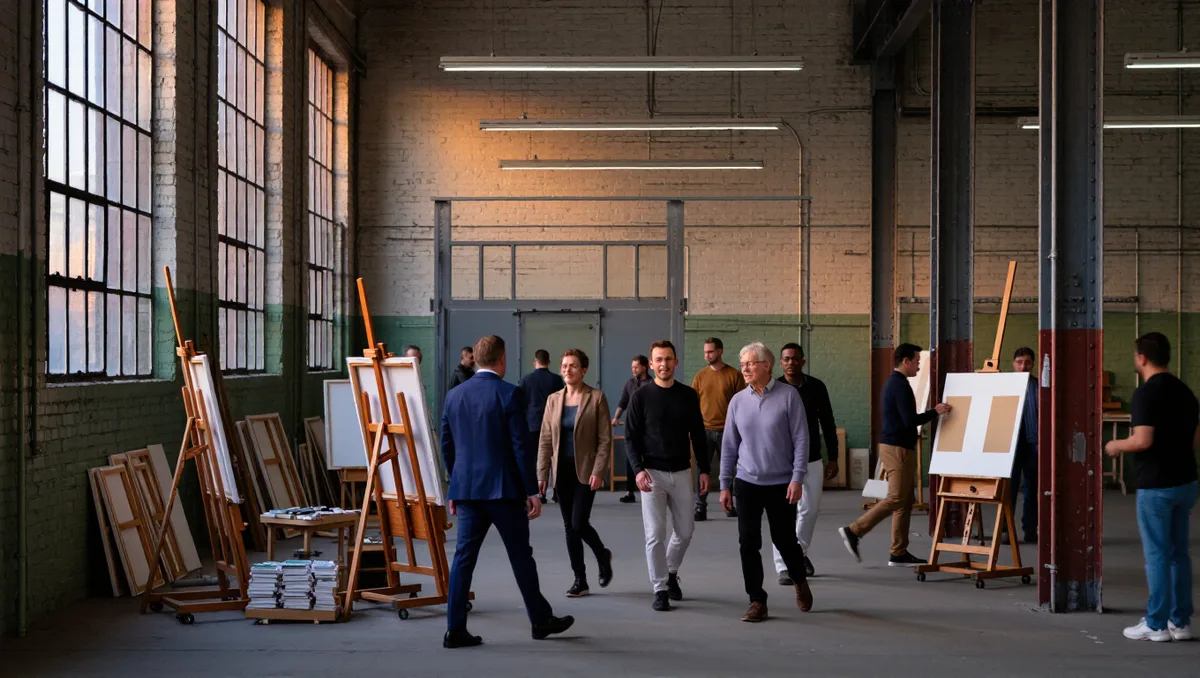
New York artists keep day jobs because rent arrives monthly and sales do not. The paycheck from art handling, framing, teaching, or a restaurant floor is what buys materials, holds a Ridgewood studio share, and carries health insurance between good years. The New York Foundation for the Arts even runs a classifieds board where exactly these arts-adjacent employers post, because the arrangement is permanent, not a phase.
The day job is neither failure nor romance; it is infrastructure. It funds the practice and taxes it at the same time, in hours and in attention, and managing that trade is a core professional skill nobody teaches in studio critique.
Why don't artists just sell more work?
Because art income is irregular in a way almost no other profession tolerates. Sales cluster around exhibitions, which cluster around seasons; galleries often pay one to three months after a sale clears; and when the wider economy tightens, art spending is among the first discretionary lines cut. A studio built on predicted sales is a studio built on weather.
The arithmetic is unforgiving. A painter who sells a handful of works a year at mid-level prices, splits roughly half with a gallery, then pays for materials, crates, photography, and studio rent is often looking at an income a day job must cover entirely. Add New York rents and the conclusion stops being optional. The job is the patron of last resort.
Which day jobs fit a studio practice best?
The best art-adjacent jobs share three traits: schedules that protect studio hours, physical or mental work that leaves imagination unspent, and proximity to the art world's networks. The worst invert all three. New York's economy happens to run on exactly the gigs that fit — installation crews, fabrication shops, framing counters, museum desks, and classrooms.
- Art handling and installation: physical, flexible, and paid by the day or project.
- Studio assistant and fabrication work for other artists: skill-building and sympathetic to exhibition seasons.
- Picture framing: steady, meditative, and deeply educational about presentation.
- Museum and nonprofit visitor services or registration help: institutional access with fixed shifts.
- Adjunct and community teaching: schedule-dense but directly related, where credentials allow.
- Restaurant and bar floors: nights that preserve daylight studio hours, at a physical cost.
The trade-offs are personal. Freelance art handling bends around install weeks but supplies no benefits; institutional jobs supply benefits and insurance but consume weekdays whole. Plenty of artists run a hybrid — part-time employment for the anchor, freelance days for the flex.
What does a day job take from the practice?
Hours first, then energy, then imagination — in that order, which is why the complaint is always fatigue rather than time. Forty scheduled hours plus a commute can leave the studio surviving on evenings and weekends, when decision-making power is lowest. The famous version is the artist who guards mornings ferociously, works afternoons elsewhere, and treats the split as permanent architecture rather than a temporary indignity.
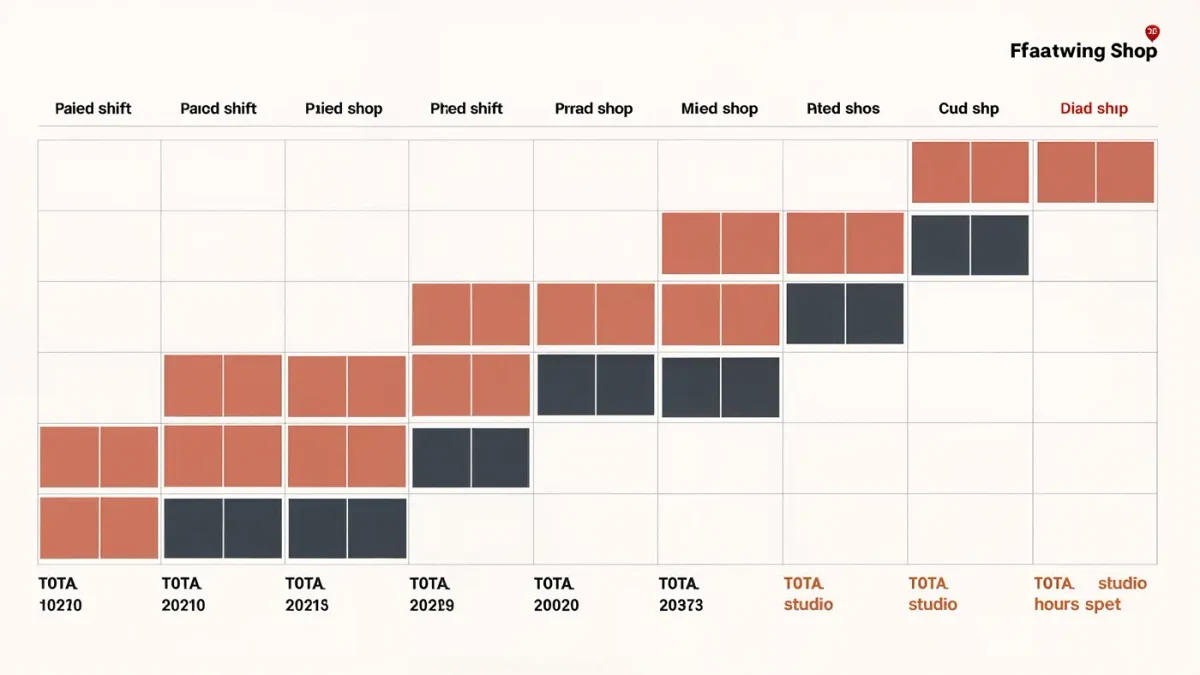
Schedules are the lever. Four ten-hour days buy a free weekday; night shifts protect daylight; freelance blocks cluster employment into bursts that leave whole weeks for installs and residencies. None of these are secrets, but all of them require choosing the job for its shape rather than its title — a framing shift that separates artists still making work at forty from those who quietly stopped.
There is also the quieter tax: a day job can eat the identity. The art world loves the myth of total commitment and punishes the appearance of divided attention, so artists hide their employment as if it were shameful. The opposite is true nearly everywhere outside the mythology — the job is what bought the work.
What are the wage and tax mechanics?
For employees, the floor is New York's minimum wage, which the state's scheduled increases pushed to roughly seventeen dollars an hour in New York City in 2026, with overtime protections after forty hours under federal law. Freelancers invoice at higher headline rates because they are buying their own benefits, and they owe quarterly estimated taxes that surprise first-timers every spring.
Arts-adjacent employment often blurs the employee-freelancer line, especially in installation crews paid by the day. Misclassification is common and consequential — it moves workers' compensation, unemployment insurance, and tax burden around — and the honest answer for most working artists is to ask questions before the first shift, not after the first missing paycheck. A wage that looks thin at interview can look thinner still in April.
Does anyone actually quit the day job?
Some do, when sales steady and the math holds across several years rather than one lucky season. More common is the deliberate half-step: the painter who cuts to three days of fabrication, the sculptor whose teaching load funds summers free for residencies, the printmaker who keeps one framing client for the health plan. The job shrinks toward the practice instead of disappearing.
The artists who manage the long version treat the day job as part of the studio's economy — reviewed annually, negotiated honestly, and occasionally chosen for what it teaches. Fabrication work makes better-made sculptures. Teaching sharpens how artists talk about their own work. Even the restaurant floor supplies characters, stories, and the discipline of showing up. The job funds the practice. Sometimes it feeds it too.
Frequently asked questions
What percentage of New York artists have day jobs?
Most of them, by every broad account of how artists in the city actually live. Studies of artist employment, including federal surveys of arts workers, consistently find that art income alone supports only a minority of practicing artists, and that arts-adjacent or unrelated employment is the norm. The exact share moves with the economy; the direction does not.
What day jobs do most artists have in New York?
Art handling, fabrication, framing, installation crews, museum visitor services, arts administration, teaching, and restaurant work dominate, roughly in that order of art-world proximity. The common thread is schedule control — gigs that bend around installs, openings, and residencies. Health benefits matter as much as wages in most decisions.
How do artists find time for a studio practice?
By treating studio hours as fixed appointments rather than leftovers. The workable patterns are guard-the-mornings, four-day workweeks, night shifts, and freelance clustering that leaves whole weeks open. Artists who wait for free time to appear generally stop making work; artists who schedule it like a shift keep going for decades.
When should an artist quit their day job?
When art income has covered studio costs and living costs for several consecutive years, a cushion exists for a bad season, and health insurance is solved — not the week after a sell-out show. Most working artists instead shrink the job gradually, keeping the anchor while the practice grows. There is no medal for quitting early.