The crossing is older than the murals it produces. Jean-Michel Basquiat went from SAMO graffiti downtown to a solo debut at the Annina Nosei Gallery in 1981, and Keith Haring's subway chalk drawings carried him into Tony Shafrazi's SoHo gallery within a few years. Today's route runs through legal walls, mural commissions, and print editions. The wall was never the endgame. It was the résumé.
The modern version of the crossing is a business decision wrapped in an identity question: sell the work without selling the street credibility that made it visible, and keep painting for the people who watched it happen.
How did the first street artists cross over?
Galleries noticed that walls were already functioning as free, uncancellable exhibitions. Basquiat's SAMO tags, written with Al Diaz across downtown Manhattan in the late 1970s, built a name before any dealer touched him; Haring's chalk figures in subway stations did the same, visible to thousands of riders daily. The 1981 Nosei show and Haring's early-1980s SoHo exhibitions converted that public audience into a private market.
The pattern has repeated ever since, and the 2013 Banksy residency — a month of daily works across New York under the title Better Out Than In — showed its mature form: work placed in public first, value confirmed by crowd and press, galleries and collectors circling afterward. Street visibility produces demand; the gallery merely routes it. That sequencing is the whole trick, and it still works.
What does the bridge look like now?
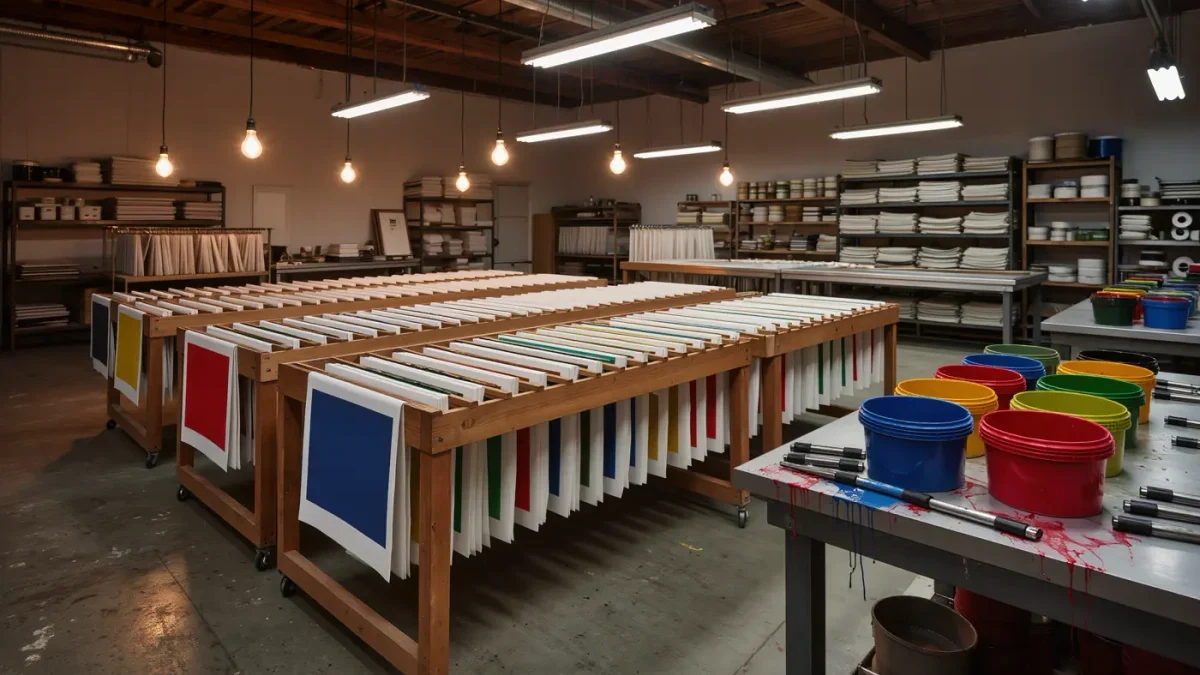
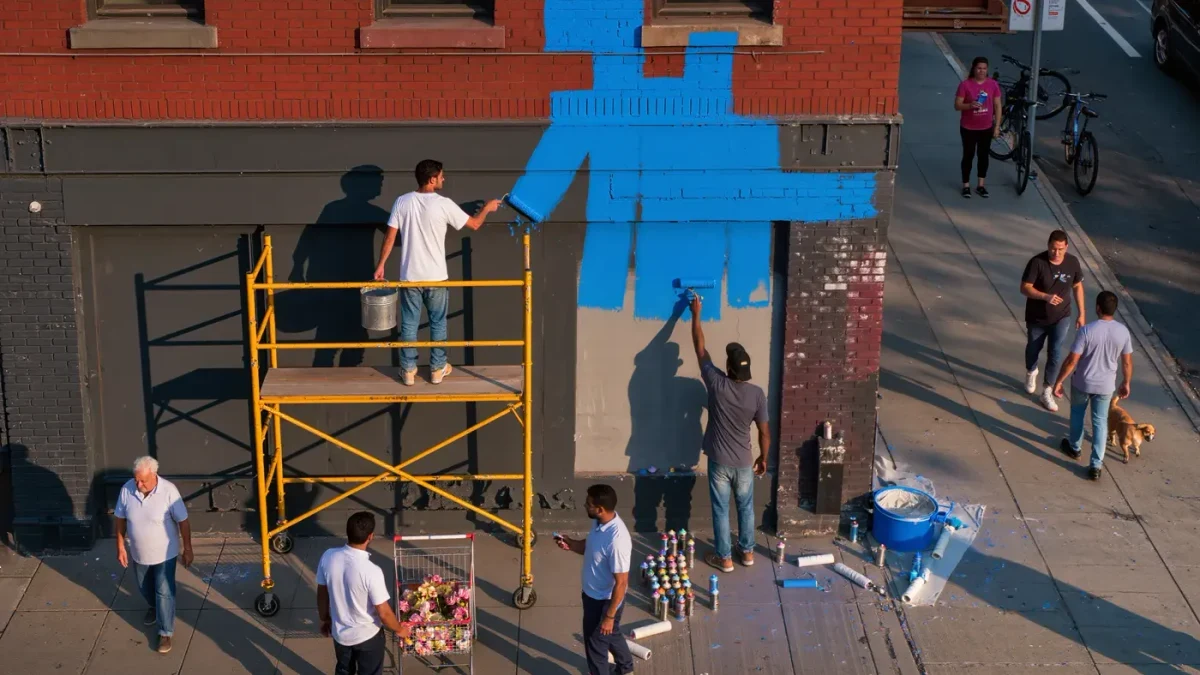
Three planks carry most crossings. Legal mural programs and festivals, which exchange permission and sometimes paint budgets for large walls in Brooklyn and Queens. Commissions — developers, brands, and city programs paying for murals that once went up at night for free. And editions: screenprints, lithographs, and small sculptures that translate wall-sized gestures into gallery-priced objects, the same multiplication logic every print publisher uses.
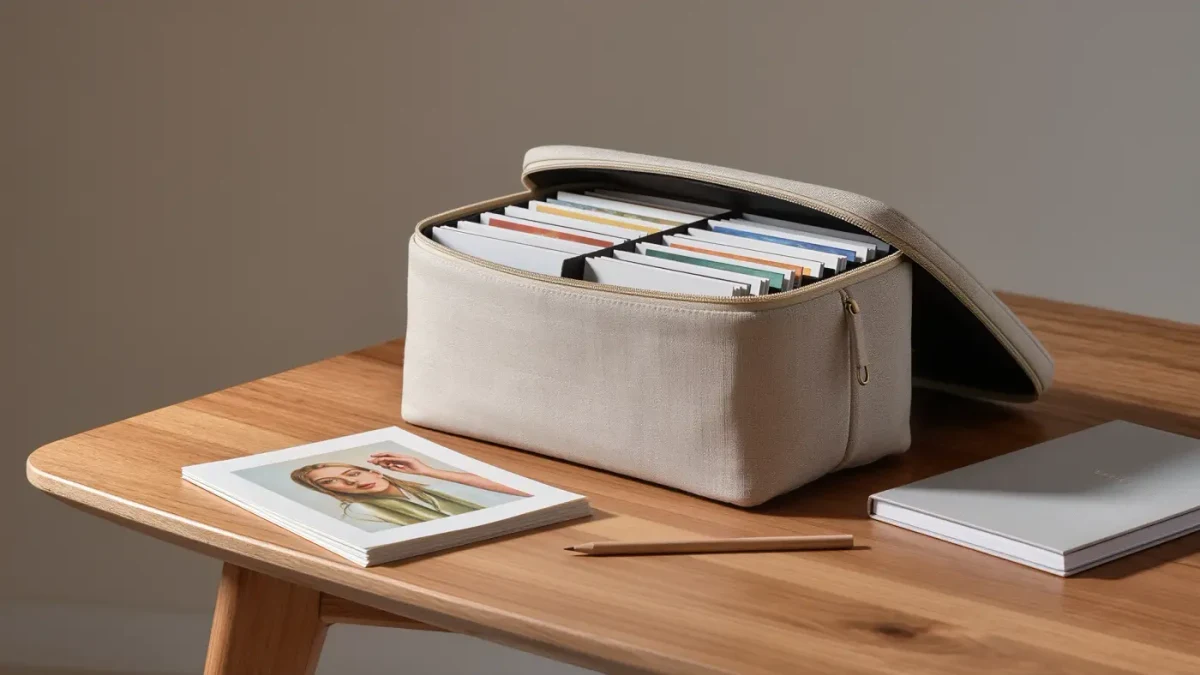
Documentation is the unseen fourth plank. Walls are temporary, so the photographic record is the work's permanence — the archive of finished pieces, action shots, and neighborhood context becomes the portfolio galleries actually review. A street artist's feed functions as a rolling exhibition history, and the discipline of photographing everything before the buff or the weather arrives is closer to job requirement than vanity.
What changes when the wall becomes a canvas?
Authorship gets complicated first. A wall painted with permission belongs to the building's owner in a way a subway tag never did; the artist's claim lives in copyright and reputation, not in possession. Ephemeral work converts into editioned photographs, prints, and maquettes — the object class galleries can actually sell — and pricing something born free requires a story about why paying for it makes sense. The honest answer is usually scarcity and signature, the same as any edition.
Stylistically, the move indoors tends to formalize the gesture. Spray paint on primed canvas, screenprinted editions of wall images, studio works built to travel and survive storage: the vocabulary survives, the substrate changes. Some artists treat the gallery versions as translations and keep the street work raw on purpose, maintaining two registers deliberately. The ones who struggle are those who let the market decide which register is real.
What does keeping the block actually mean?
It means the neighborhood that watched the walls fill up keeps a stake in the practice. Painting where the artist lives, hiring local assistants for big commissions, running workshops for kids who watch from the sidewalk, giving walls back to the community that made them meaningful — none of it shows on a CV, all of it shows in who defends the artist when the market wobbles. Street credibility is a relationship, not an aesthetic.
The opposite failure is displacement aesthetics: murals as decoration for redevelopment, walls painted to make rising rents look like culture. Artists who take developer commissions without asking what the building becomes are used as signage. The ones who ask — and negotiate community benefit, local hiring, or outright refusal — keep the trust that lets them paint the same block for a decade.
Keeping the block also means keeping the writers' economy in mind: the unofficial codes about going over work, honoring dead writers' pieces, respecting a decade of tags. Galleries do not know these rules. The artists who translate them rather than abandon them tend to make the most interesting gallery work, because the rules carry a whole theory of public space.
How do street artists keep their leverage?
By owning what the market wants: the copyright, the image, the name. Shepard Fairey's widely reported dispute with the Associated Press over the 2008 Hope poster — settled in 2011 — taught the generation watching that a street-born image can generate real money and real legal exposure at once. Registering works, licensing rather than assigning rights, and reading every brand contract before signing became professional skills of the trade.
Independence also has infrastructure now. Direct-to-collector print drops, owned studios, self-published monographs, and commissions booked without any gallery's phone number let established street artists keep the majority of each sale. Representation still offers museums, art fairs, and patient inventory management — the crossover's final form — but it is now a choice among channels rather than the only door. The wall was the beginning of the market. It does not have to be the beginning of somebody else's control of it.
Frequently asked questions
Can street art be sold in galleries?
Routinely, since the early 1980s. The saleable forms are original studio works in street vocabularies, editioned prints of wall pieces, and photographs documenting ephemeral work. What galleries cannot transfer is the wall itself, which is why the documentation archive and the signature carry the commercial weight. Legally, selling images of illegal walls can still raise permission questions worth settling first.
How do street artists get gallery attention?
The same way Basquiat and Haring did, updated: visibility first, market second. A strong public record — legal walls, festival commissions, a documented feed — draws curators and dealers who specialize in the vocabulary. Editions released independently prove demand. Referrals from graffiti-adjacent galleries and mural-festival organizers carry more weight than any cold portfolio.
Do street artists need permission for murals?
In New York, yes — building owner consent at minimum, plus the relevant city permissions for anything commercial or on protected surfaces. Unauthorized work risks removal, fines, and in some cases arrest, whatever its artistic standing. Legal mural programs exist partly to convert that risk into opportunity, and most crossover careers shift to permissioned walls as they grow.
What do street artists lose by joining a gallery?
Potentially: control of pricing, image licensing, and the release schedule, plus a chunk of each sale — customarily around half — as commission. What is gained is institutional validation, museum doors, and the machinery of exhibitions. Artists who license carefully and keep direct print channels usually keep both worlds running, the street feeding the gallery and the gallery funding the street.