The announcement always reads like lightning struck. A work has entered the collection of the Museum of Modern Art, or the Brooklyn Museum, or the Whitney, and the artist's phone starts buzzing before lunch. What the press release never mentions is the year of quiet paperwork that came first: the studio visit where the curator said nothing conclusive, the memos, the condition report, the committee vote, the restricted fund that could only be spent on one kind of thing. Acquisitions are the least understood transaction in the art economy, and artists misunderstand them in expensive ways.
Who actually decides what a museum buys?
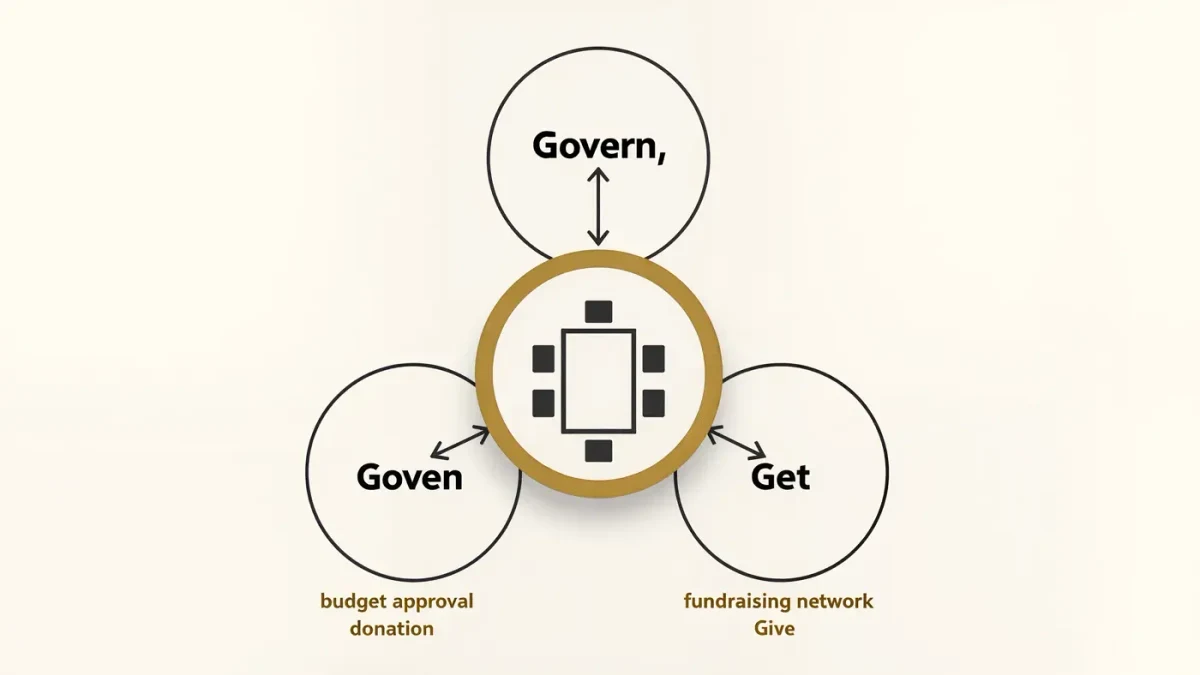
A curator decides, and then a committee confirms. A curator researches, visits studios, and proposes a specific work in writing; an acquisitions committee of curators, the director, trustees, and often invited outside experts debates and votes; the board ratifies; the registrar assigns an accession number. From that moment the work legally belongs to the institution, which is a public trust, not a private collector.
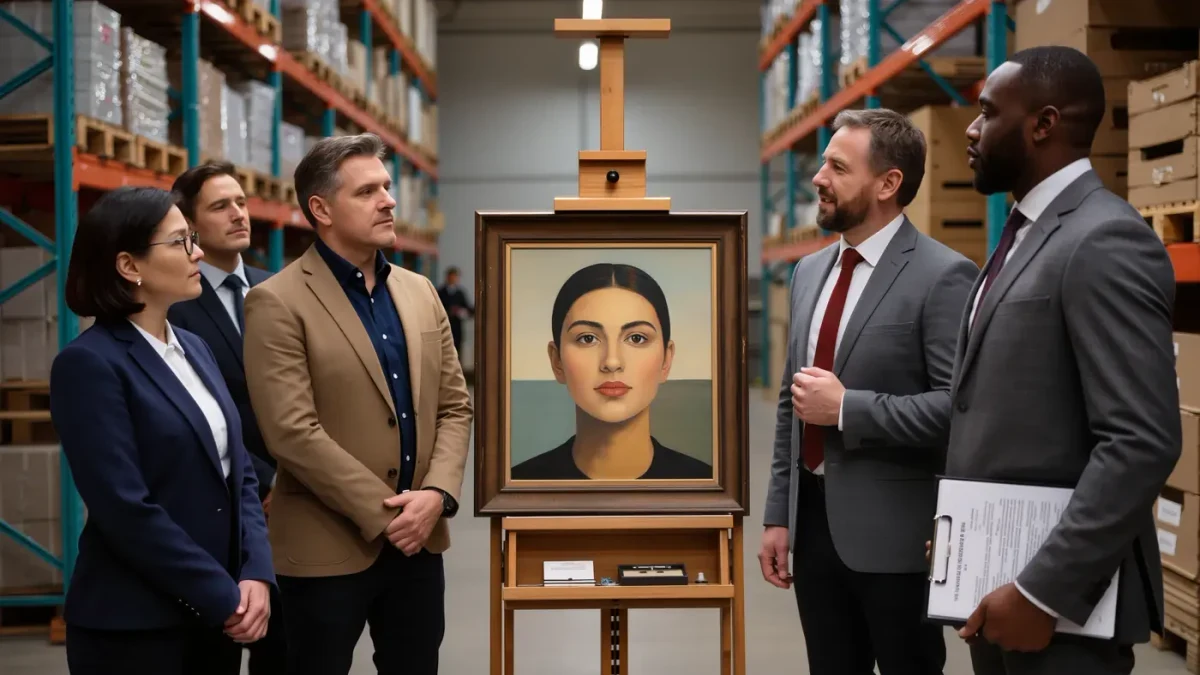
The vote is the moment everything hangs on. Before it, the proposal has to survive questions that would feel cold in a studio: does the work duplicate something already in the collection, is the condition stable, is the provenance clean, does it fit the collecting plan the museum has written for itself. None of this is about whether the work is good. It is about whether the institution can defend the purchase to its board, its donors, and eventually the public.
Artists should internalize one thing from this: the curator who visits and says nothing is not wasting your time. Curators are assembling evidence. The silence before an acquisition is long because the machinery is long.
Where does acquisition money come from?
Mostly from restricted funds, not from ticket sales or the gift shop. Museums hold endowments whose income may legally be spent only on acquiring art; donors frequently fund the purchase of a specific work they want to see in the galleries; and partial-gift arrangements, in which a donor or the artist's gallery discounts a work so the museum can afford it, are routine. Rarely does an acquisition come out of the same pot that pays staff salaries and rent.
This is why a museum can look rich and acquire slowly, and why an institution in financial trouble can still, oddly, be buying. The acquisition endowment keeps spending even when the operating budget bleeds. Artists read layoffs and then a purchase announcement and assume hypocrisy; more often it is accounting, written decades ago by a donor who cared about the permanent collection and nothing else.
New York multiplies the effect because the city stacks so many kinds of institutions into one archipelago. An encyclopedic museum collecting across five millennia spreads its acquisition dollars among departments that compete like siblings, so a living painter is up against a Roman bronze. A contemporary-only institution spends everything on the present, but from a smaller base. A borough museum may collect with its community explicitly in mind, which changes what fit means. Same machinery, different gravity — and that is why the same painting can be an obvious yes in Queens and a polite no on Fifth Avenue.
Does it matter whether the work is a gift or a purchase?
It matters more than most artists expect. Gifts can arrive with strings attached — credit lines, display expectations, conservation instructions negotiated with the donor — while purchases are cleaner and read as institutional conviction, since the museum spent its own money. Either way, the work leaves the market for good and enters a public record that outlives every gallery that ever sold it.
Consider how strange the pipeline has become at the top. In December 2025, per the digital-art publication Right Click Save, the Museum of Modern Art acquired eight CryptoPunks — the pixelated portrait series that became an early emblem of the NFT market. Whatever one thinks of the work, the move shows acquisitions committees adapting their machinery to art that has no canvas to condition-check: files, wallets, custody documents instead of crates. The form changes; the committee does not.
How long does a New York acquisition usually take?
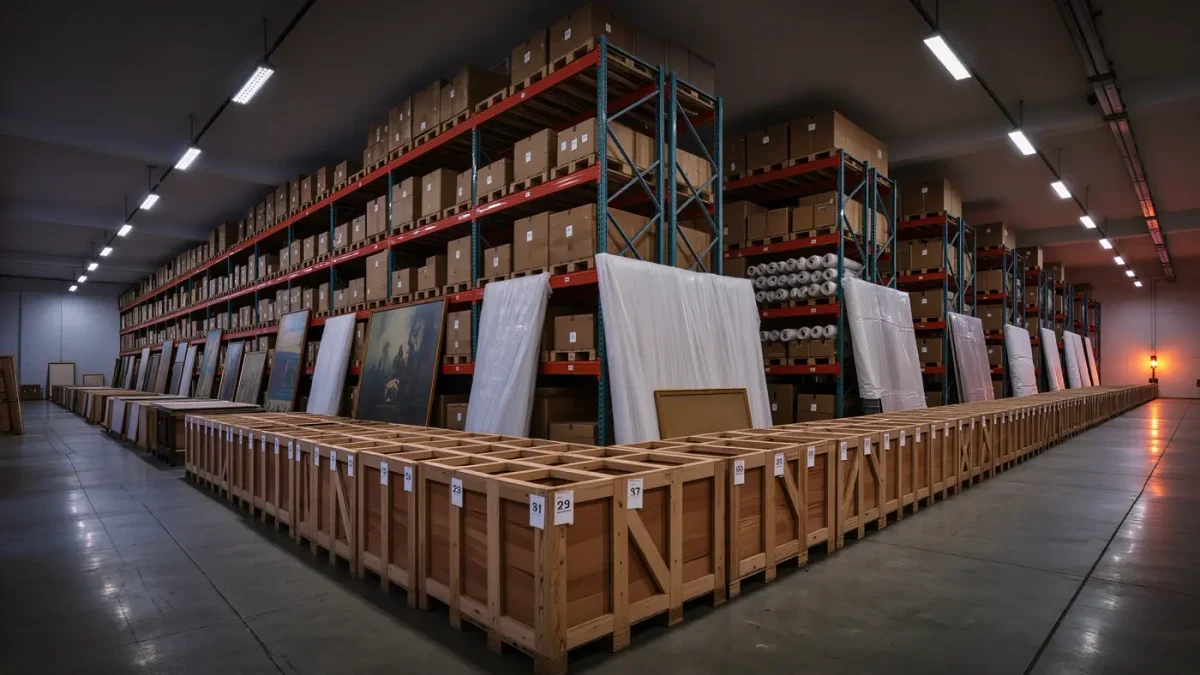
Months at minimum, often more than a year. Condition reports, provenance research, framers, transport, insurance riders, committee calendars, and cataloging all queue up before an announcement can be drafted. The press release lands in a single afternoon; the work usually began the last time a curator stood in your studio, looked at something for a long time, and left without committing to anything.
That timeline has consequences for how artists behave. The ones who understand the machinery keep working, keep showing, keep answering email. The ones who expect a verdict in six weeks conclude the visit meant nothing, and sometimes quietly stop inviting curators back — which guarantees the answer stays no.
What does an acquisition actually do for an artist's career?
Three things, none of them cash. Permanence: the work gets conserved, published, photographed, and lent to other institutions for decades. Validation: galleries and collectors read institutional interest as underwriting, and prices for remaining work tend to firm up. Scarcity: an acquired piece exits the market permanently, tightening supply without the artist lifting a brush.
Notice what is missing: a payday. Purchase prices are negotiated, often against a gallery discount, and many acquisitions arrive as gifts, meaning the artist earned whatever the market paid before the museum entered the room. The acquisition is a long-term asset for the career, not a salary for the month. Young artists who treat a museum acquisition like a windfall and relax for a season usually learn the difference the hard way.
There is a fourth effect that rarely gets named: an acquisition reorganizes an artist's relationship to their own past work. Once a piece is accessioned, it gets conserved to museum standard, which can mean the artist is asked about materials, adhesives, and display intentions in more detail than any collector ever demanded. That conversation — part interview, part deposition — becomes the permanent instruction manual for the work's afterlife. Show up for it, because whatever gets written down will outlive everyone in the room.
Can a museum ever sell what it bought?
Only through deaccessioning, a formal, rule-bound process that professional guidelines keep deliberately narrow: proceeds from sales of collection works are meant to fund new acquisitions or the direct care of collections, never payroll or rent. Museums that bend those rules face sanctions and headlines. The system is designed so that an acquisition means something close to forever.
That promise is exactly why the acquisition matters more than the check. Collections are the art history that gets written while everyone is arguing about fairs. When a New York museum takes a work by a living artist, it is betting public credibility that the work will still matter in fifty years. No sale at any price makes that claim.
So the practical read for working artists in Brooklyn and Queens is unglamorous. Keep records of everything you make. Answer the curator's email, even the vague one, especially the vague one. Let conservators photograph the back of the canvas. The machinery is slow, bureaucratic, and opaque, and it is also the single most durable form of validation the American art world offers the living. Treat it accordingly.