On January 14, 2026, United States Artists named its 2026 fellows: fifty artists and culture bearers spanning nineteen states and Washington, DC, each receiving a $50,000 award with no restrictions on its use, per the organization's announcement. The Chicago-based nonprofit has spent two decades handing working artists no-strings money, and this year's list again leans toward the under-recognized.
Unrestricted is the operative word, and it is rarer than it should be. Most arts money arrives as project support, which means invoices, deliverables, final reports, and a quiet requirement that the artist already have the rent covered some other way. A USA fellowship is the opposite instrument: a check, trust, and a professional-services network, with zero instructions. The announcement describes fellows as chosen for their artistic visions, unique perspectives within their fields, and potential for the award to make a significant impact in their practices and lives.
The list also shows how narrow the aperture is. Of the fifty fellows, six are visual artists, per Artsy's coverage of the awards — among them Edra Soto, Anina Major, Mercedes Dorame, Macon Reed, Maia Chao, and Raheleh Filsoofi, all named in the announcement. Interdisciplinary makers, fiber artists, designers, and traditional-arts practitioners fill out the cohort, which is the point: the program treats chairmaking and crochet as fellowships-worthy disciplines, a quiet rebuke to the hierarchy that only counts canvas and bronze.
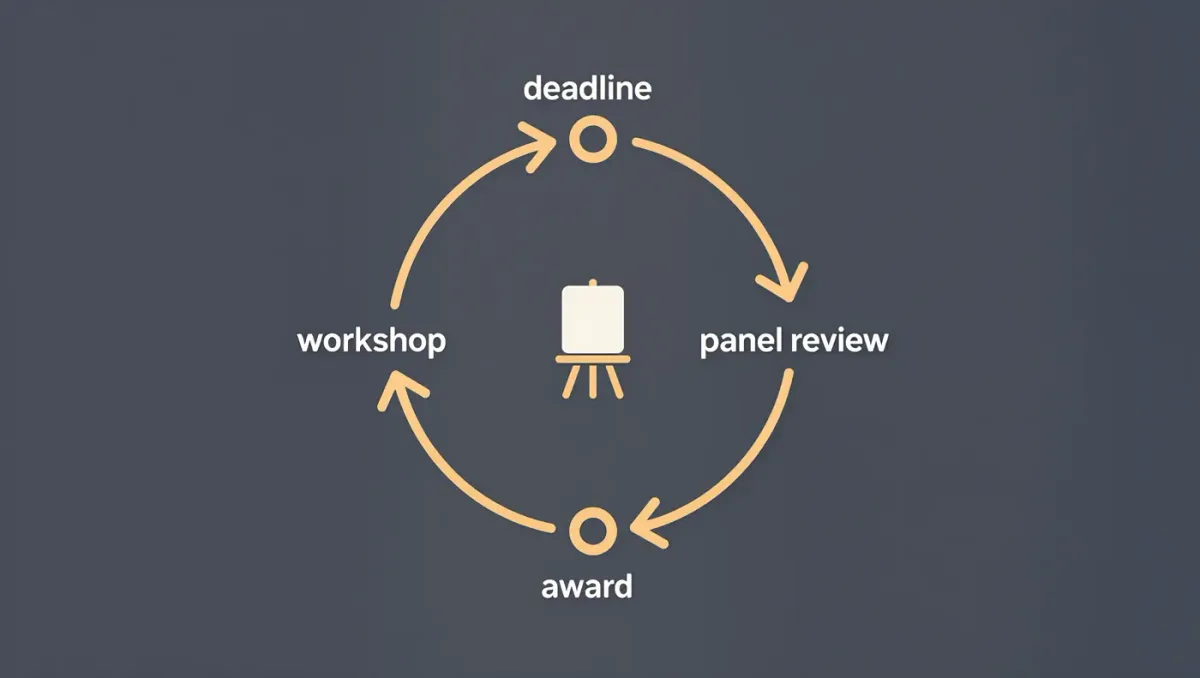
Here is the part working artists should sit with. There is no open application. Fellows are reached through USA's nomination process — nominators across the country put names in, and panels review from there, per the organization's program materials. You cannot pitch for this one; someone has to know the work well enough to stake their credibility on it. The real gate is not the panel. It is visibility among the people who nominate.
That reframes the whole exercise for a New York artist staring at another rent cycle. Fifty awards nationally, against a population of working artists that outnumbers them by orders of magnitude, is not a funding strategy — it is a lottery with better manners. The $50,000 functions as salary replacement for a year or two, not a career. Building a financial life around winning it is a mistake; building a practice that the right hundred people have seen is the only variable an artist controls.
What the fellowship does do, when it lands, is buy time in the most literal sense. Studio rent, health insurance, materials, childcare, debt — the announcement wisely leaves all of it to the fellow. Per the program's own materials, the money comes alongside tailored professional services rather than reporting obligations, which tells you what USA thinks the obstacle usually is: not artists' discipline, but artists' cash flow.
The uncomfortable takeaway is structural. If the most respected award in the country for individual artists funds fifty people a year, then the sector's actual safety net — day jobs, teaching loads, gig work, family — remains the plan for everyone else. The USA fellowship is a superb instrument doing a job the size of a thimble. Celebrate the fifty. Then keep arguing for the systems that reach the fifty thousand.