The Queens Museum promoted longtime deputy director Debra Wimpfheimer to executive director on February 11, 2026, per the museum's announcement, handing the institution to a Queens native who has been part of its leadership since 2002 and has served twice as its interim director.
The opening came abruptly. Sally Tallant, who led the museum for roughly seven years, departed in January 2026 to run the Hayward Gallery and visual arts at London's Southbank Centre, per The Art Newspaper on January 21, 2026. That left one of the city's most community-anchored museums leaderless mid-season — and the board chose not to go shopping for a marquee name.
They promoted from within. Wimpfheimer, who previously held senior development roles at the Museum of Fine Arts Boston, Boston Medical Center, and Lincoln Center, is credited in the announcement with raising major funds for the museum's exhibitions, education, and capital projects. Board chair Paula Kirby put the case plainly: no one knows the Queens Museum like Debra. Wimpfheimer's own statement called the museum's growth deeply personal.
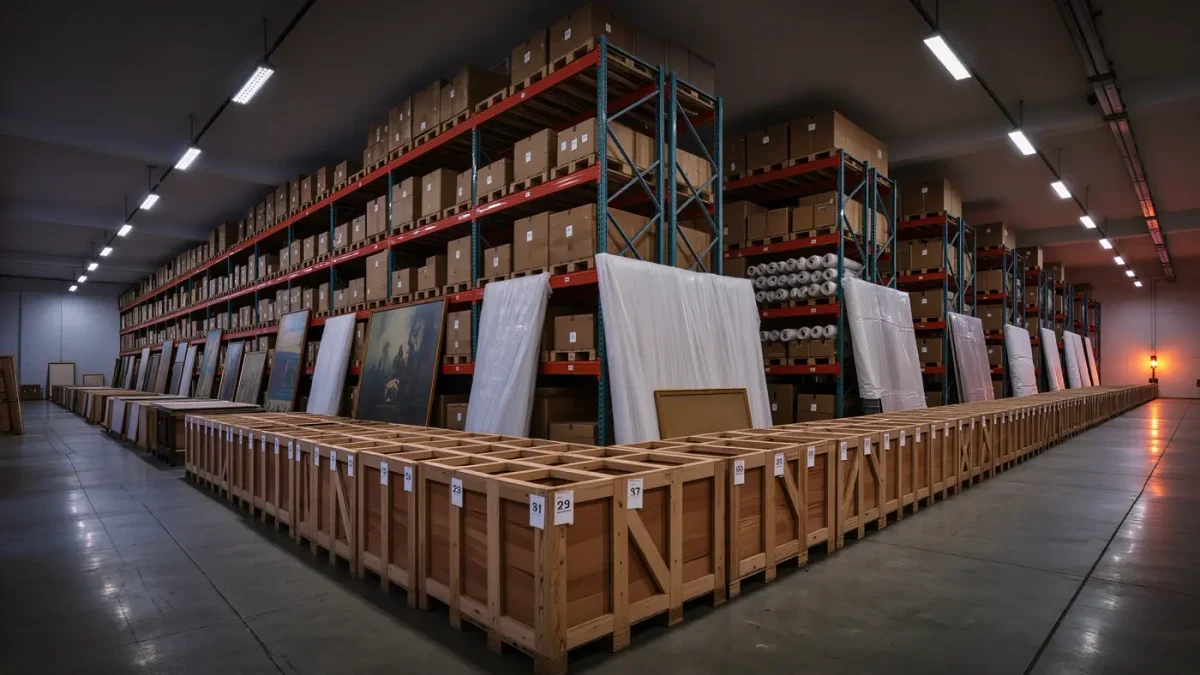
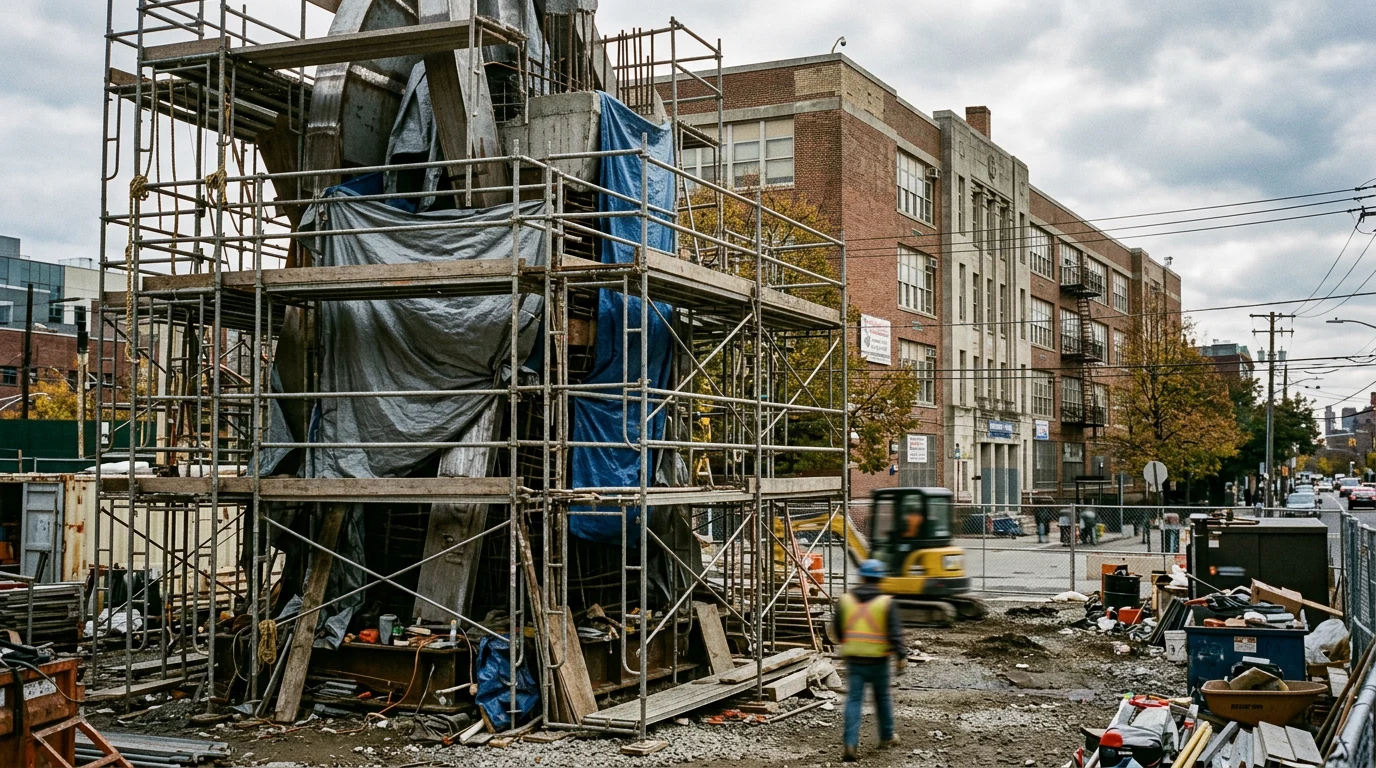
The stated agenda is concrete rather than rhetorical: a 15,000-square-foot Suna Children's Museum slated to open in 2028, a designated space for older adults, and a new World's Fair archive with a study center and collection galleries. That is a construction-and-capacity agenda, the kind that eats fundraising breakfast. In that light, the insider pick reads less like caution than like arithmetic — the board hired the person who already knows where the money and the contractors are.
What does a leadership change actually change for working artists? More than the press release admits and less than the headlines suggest. Directors do not usually curate; they set who can say yes, which budget lines grow, and how fast an email from a Queens studio gets answered. For a museum whose identity is explicitly community-led — the announcement leans on Wimpfheimer's Queens roots reinforcing exactly that — continuity in the top office means the commissioning relationships, school partnerships, and public programs that local artists actually plug into keep their memory.
There is a bigger tell here for anyone tracking the city's institutions. After years in which museums chased celebrity curators and globe-trotting directors, the quietly significant hires of 2026 are operators: people who can finish a building, keep a coalition happy, and pass a budget audit. That is not glamorous. It is what lets a museum in Flushing Meadows Corona Park keep promising its neighbors that the next room will actually open on time.
For artists in Queens, the assignment is simple. A new executive director means a reset on attention — the first year is when a museum's habits are set. The artists, educators, and DIY spaces of the borough will not get a friendlier moment to walk through the New York City Building's doors, introduce themselves, and be counted among the community the museum says it is led by.