New York's major fairs sell the same art to anyone with a ticket, not just VIPs. The Armory Show fills the Javits Center each September, Frieze New York has taken The Shed in spring, and the public days are exactly that — public. A VIP pass buys convenience. A plan buys the rest.
Which New York art fairs can you actually attend?
More than you might think. The Armory Show runs at the Javits Center in September; Frieze New York has run at The Shed in spring; Independent, NADA New York, SPRING/BREAK, and the Affordable Art Fair circle them with smaller, cheaper rooms. Every one sells tickets to the general public. The VIPs simply arrive first.
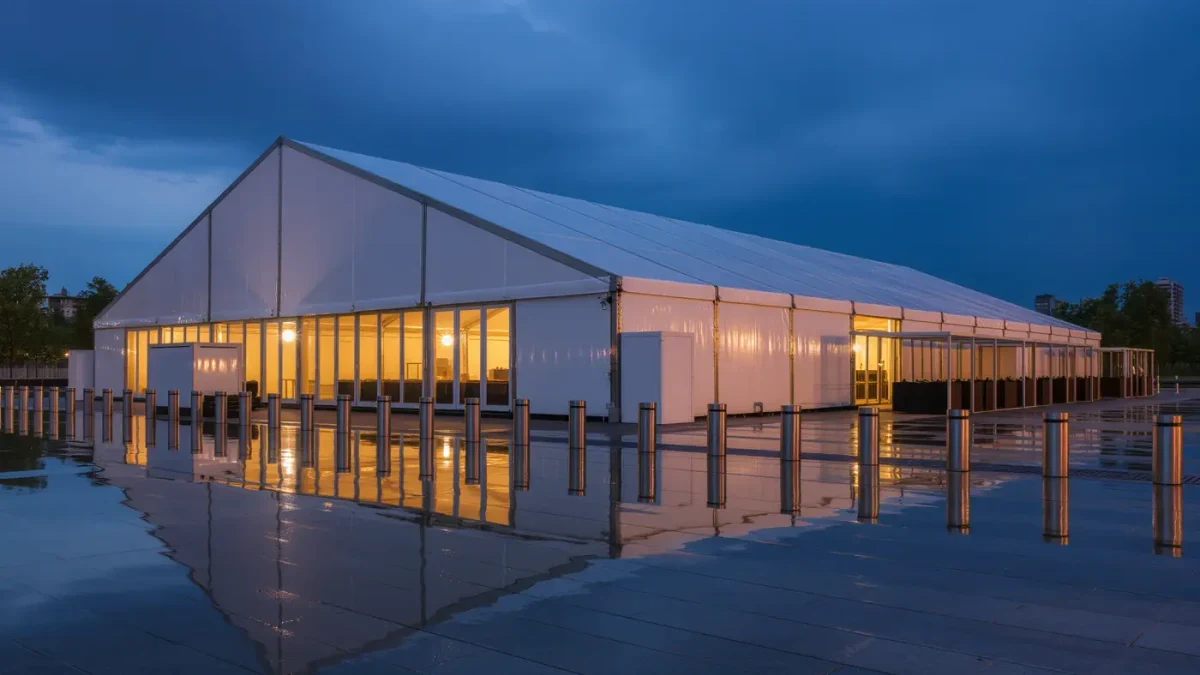
The big two anchor the calendar: The Armory Show, running each September on the West Side, and Frieze New York in spring, which settled into The Shed at Hudson Yards after years of tenting on Randalls Island. Around them cluster the satellites, timed to catch the same visiting collectors. Check each fair's site for the current year's dates and venue before booking anything.
The satellites deserve their own afternoon. SPRING/BREAK built its identity on experimental single-room presentations rather than booth after booth of inventory, and NADA's New York editions gather younger galleries and nonprofit spaces under one roof. Smaller rooms mean shorter days and cheaper tickets. First-timers often enjoy them more than the flagships.
Do you need a VIP pass?
No — a pass mostly buys early access. VIPs and press walk the preview day and the first hours, when booths are quiet and first choices exist; the public walks the same aisles a day later with the same price lists. Passes also add lounges, expedited entry, and invitations. Convenient, certainly. Essential, no.
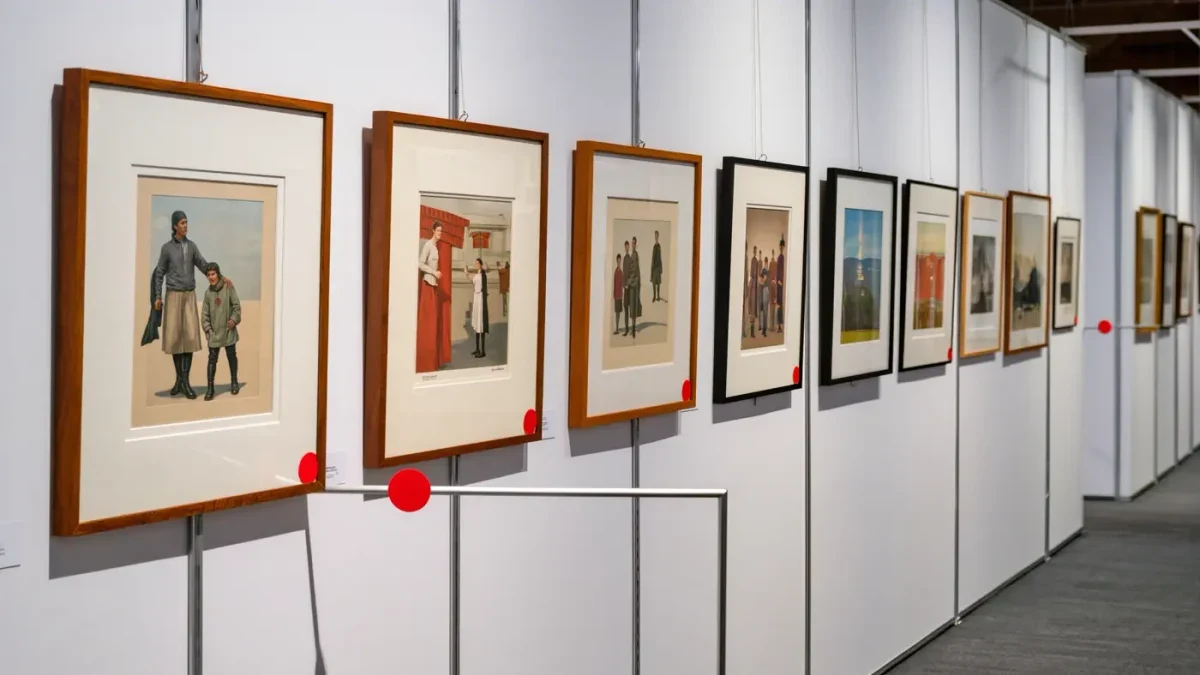
The tiering is honest about what it sells: time. Work by in-demand artists can indeed sell out on preview day, which is why collectors want those hours, and why a public-day visitor sees red dots already planted. But the overwhelming majority of booths — hundreds of galleries across the big fairs — still hold work on public days. The fair without a pass is a different experience, not a lesser one.
How much are tickets, and when should you go?
Expect a ticket in the range of a museum admission to roughly twice that, depending on the fair and the day, with previews priced higher — check the fair's own site, since prices move year to year. Buy online in advance. Go on a weekday afternoon if possible: quieter aisles, staff with time, and easier conversations.
Discounts show up more than people expect: student, senior, and youth rates at most fairs, group rates, and cheap late-evening hours at some editions. Opening day is the most crowded and the most fun; the final afternoon is the emptiest and the most relaxed. Neither requires a pass. Bring the confirmation on the phone and skip the will-call line.
What is actually for sale at a fair?
Everything the participating galleries brought, priced from accessible to astronomical. Most booths keep price lists at the desk — asking for one is standard practice, not a confession — and editions, prints, and works on paper often start in the low hundreds. Prices are set by galleries, not the fair. Nothing obliges you to buy.
Money at a fair moves in quiet channels: an invoice from the gallery, a reserve slip holding a work for a few hours, a conversation about payment plans. The fair charges galleries for the booth rather than taking a cut of each sale — that side of the economics belongs to the gallery and its artist. Watch for the red dots spreading as the days pass.
How do you walk a fair without exhausting yourself?
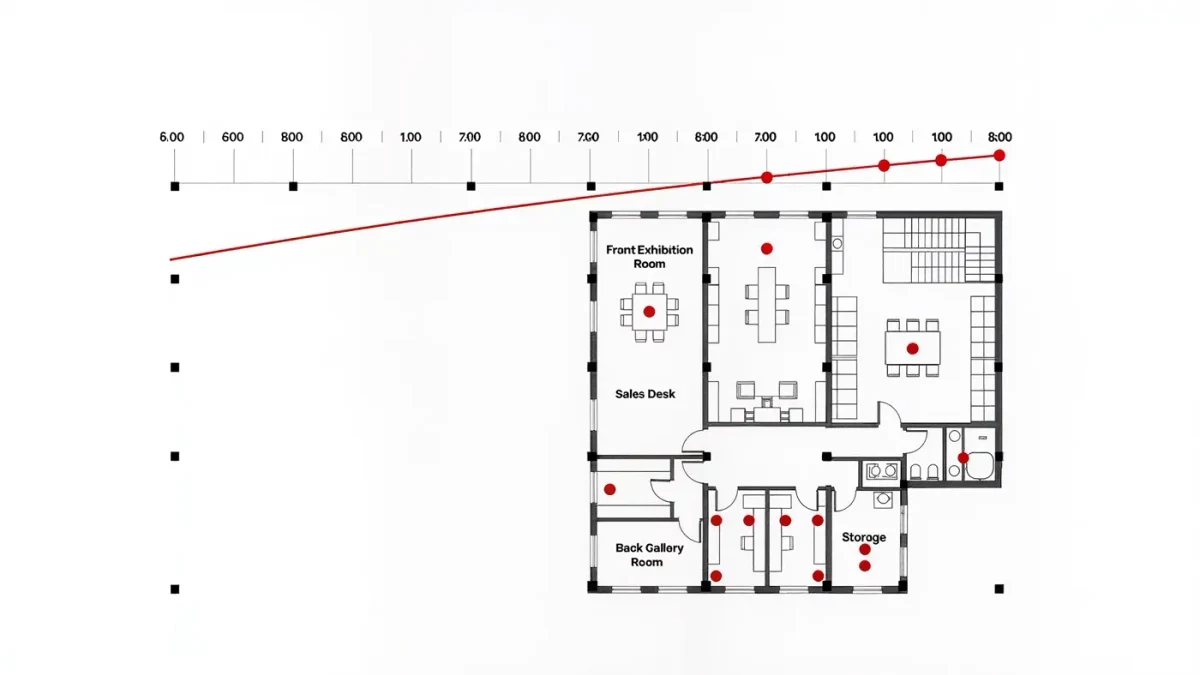
With a plan, or you will not finish. A big fair holds well over a hundred galleries under one roof, and the aisles punish improvisation. Download the floor plan, circle eight to ten booths, and hit those first, then wander. Wear real shoes, take the food break, cap the visit at three or four hours. The fair returns next year.
Pacing is the difference between a good day and a headache. Fair lighting is merciless, the floors are concrete, and by hour three every booth starts to blur. Veterans build in a sit — the lounges, the steps, a coffee line — and end in a wing they did not plan. Some of the best discoveries at a fair happen on the way to something else.
Can you talk to the galleries?
Yes — talking is the point. The people staffing booths are gallerists, and quiet hours are their chance to converse. Ask who the artist is, what the work is made of, what else the gallery shows. Take a card, follow the gallery online, and email later about a piece. Nobody expects a sale from a conversation. Some sales start exactly there.
One caution for artists attending on their own behalf: booth staff are at work, and the work is selling. A fair is a fine place to introduce yourself briefly and hand over a card, and a poor place to pitch a portfolio aisle-side. Gallerists remember courteous people and remember the other kind. The follow-up email exists for a reason.
Is a fair worth it if you are not buying?
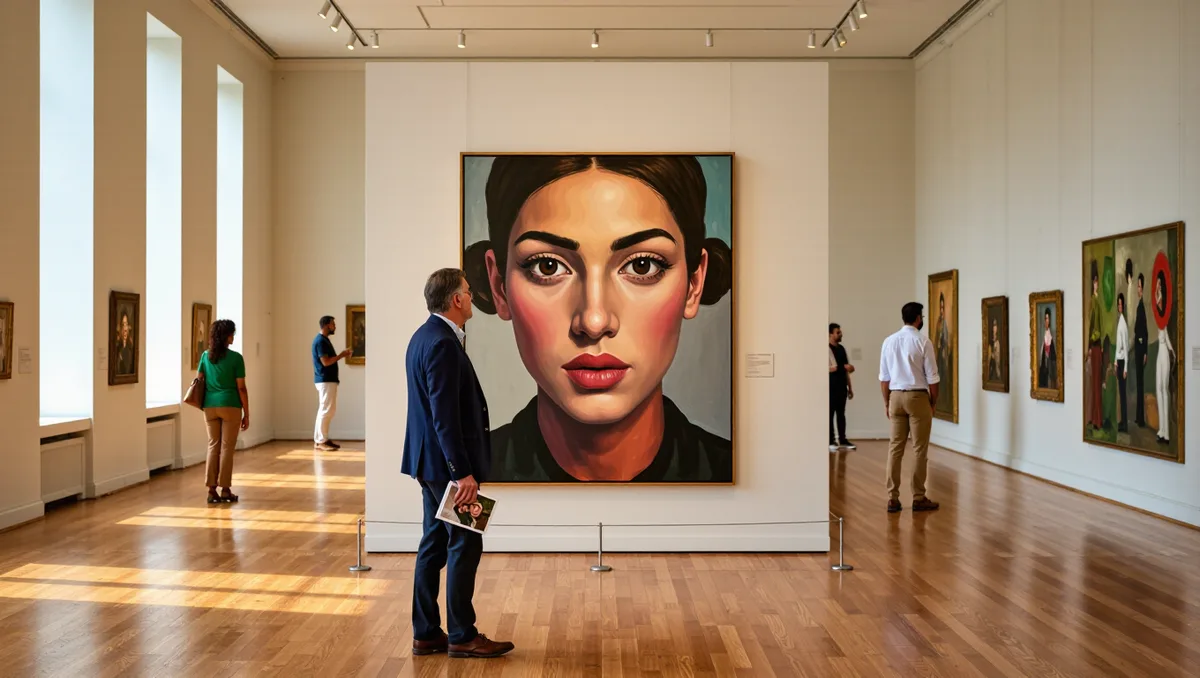
Yes, and for some visitors it is the best art day of the year. A fair compresses a season of gallery-going into one afternoon — hundreds of rooms, thousands of artists, an entire market visible at a walk. Treat it as a museum with price lists. The tote bag, if there is one, is a souvenir. The looking is the point.
For students and artists, the fair is an education that happens to cost a ticket: a chance to see what galleries in other cities show, how booths are hung, how prices read on paper. Take notes, photograph labels, and follow the artists worth following. The fair ends. The list you build there does not.
Frequently asked questions
What should I bring to an art fair?
Comfortable shoes, a phone ticket, and a bottle of water, plus a tote for catalogs and cards. Leave the big bag at home — aisles are tight, and coat checks fill. Bring curiosity and a little patience for lines at the bigger fairs. Cash is unnecessary; cards work everywhere for tickets and art alike.
Can I take photographs at an art fair?
Generally yes for personal photos of booths and crowds, with two habits worth keeping: no flash, and ask before shooting a single work closely, since some images are restricted by artists' estates. Staff at the booth will say yes almost always. Fair photography rules are posted at entry and on the fair's site.
Which New York fair is best for a first visit?
The Affordable Art Fair lives up to its name for a gentle entry, and the satellite fairs are smaller and friendlier than the flagship rooms. The Armory Show and Frieze New York remain the full experience — big, international, exhausting in the best way. Any of them will teach you the format in one afternoon.
How long should I plan for a fair visit?
Three to four hours covers a big fair honestly — two for a satellite. Longer than that and the booths blur together, decision fatigue sets in, and feet give out. Arrive early or late afternoon to dodge peak crowding, sit down once, and leave while you are still enjoying it. Half-days beat whole ones.
Are kids welcome at art fairs?
Usually yes, with caveats. Strollers can struggle in crowded aisles, and some fairs offer family hours or discounted youth tickets, so check the visitor page. Children often love the scale and color of a fair. Keep hands behind backs near the walls, which is good advice for adults too.