Art News
How Art School Tuition Picks Its Artists
Before any jury, curator, or collector weighs in, art school tuition has already voted — on who can afford to try, who must sit out, and who inherits the field.
The running news file for contemporary art: representation announcements, biennial and prize lists, acquisitions, curatorial appointments, fair schedules and space closures. Entries are dated, short and sourced. For people working in the field who need the week's changes without a magazine essay attached.
Before any jury, curator, or collector weighs in, art school tuition has already voted — on who can afford to try, who must sit out, and who inherits the field.
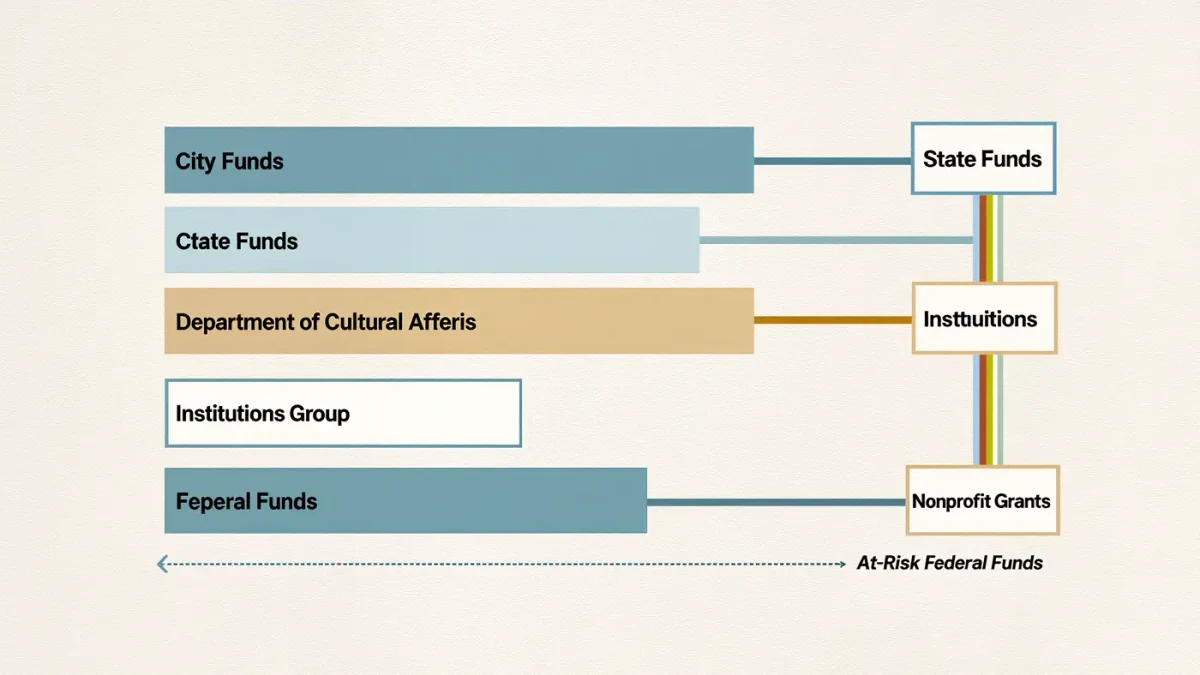
Every spring New York stages the same fight: proposed cuts, rallies at City Hall, quiet restorations, and a June handshake — here is the machinery behind the budget dance that decides what culture in this city can afford.
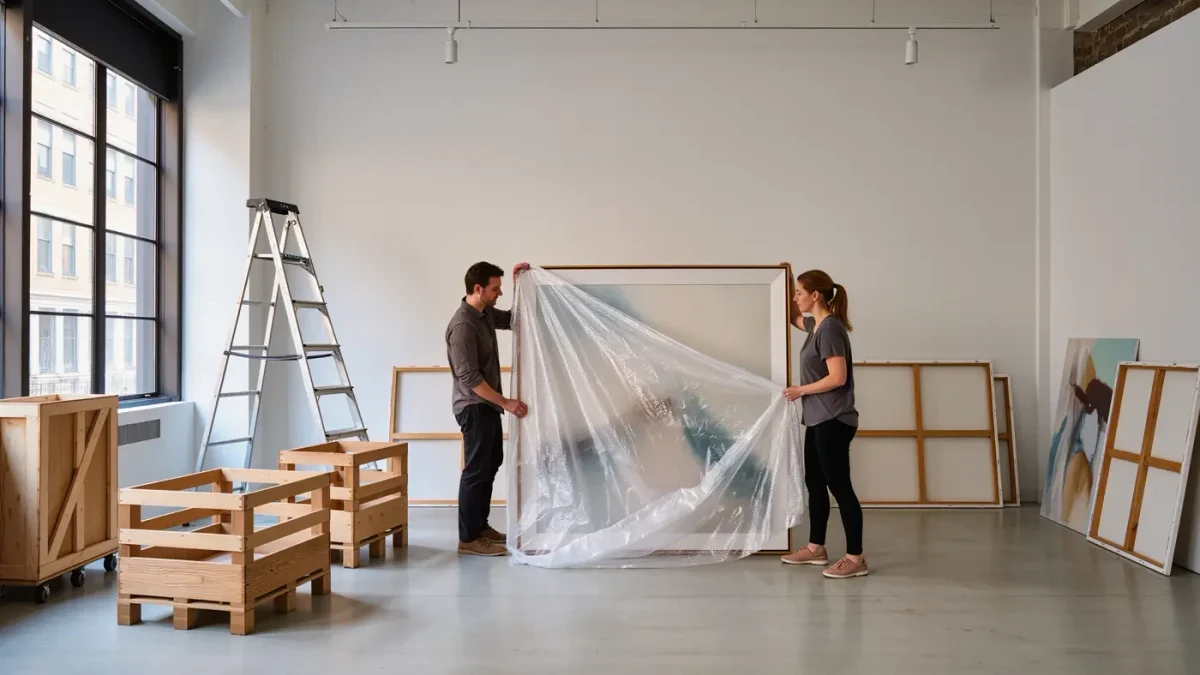
The London gallery will shut its New York space after April 18, 2026, per Artforum — the second British outpost to go dark in Tribeca this season.

Frieze New York's 67-gallery edition at The Shed lands on the very same week as TEFAF at the Park Avenue Armory — May in Manhattan is now a scheduling problem.
The Queens Museum promoted a Queens native and twenty-plus-year insider to executive director on February 11 — an operator's pick, and a signal about what the museum needs next.

La Biennale di Venezia named 110 participants for Koyo Kouoh's In Minor Keys on February 25 — list day, explained for the people who make the work.

United States Artists named its 2026 fellows on January 14 — fifty artists and culture bearers, each getting $50,000 with no strings attached.
Museum acquisitions look like sudden blessings from above; in New York they are slow, committee-vetted, donor-funded machinery, and understanding the machinery changes how a working artist reads the silence.