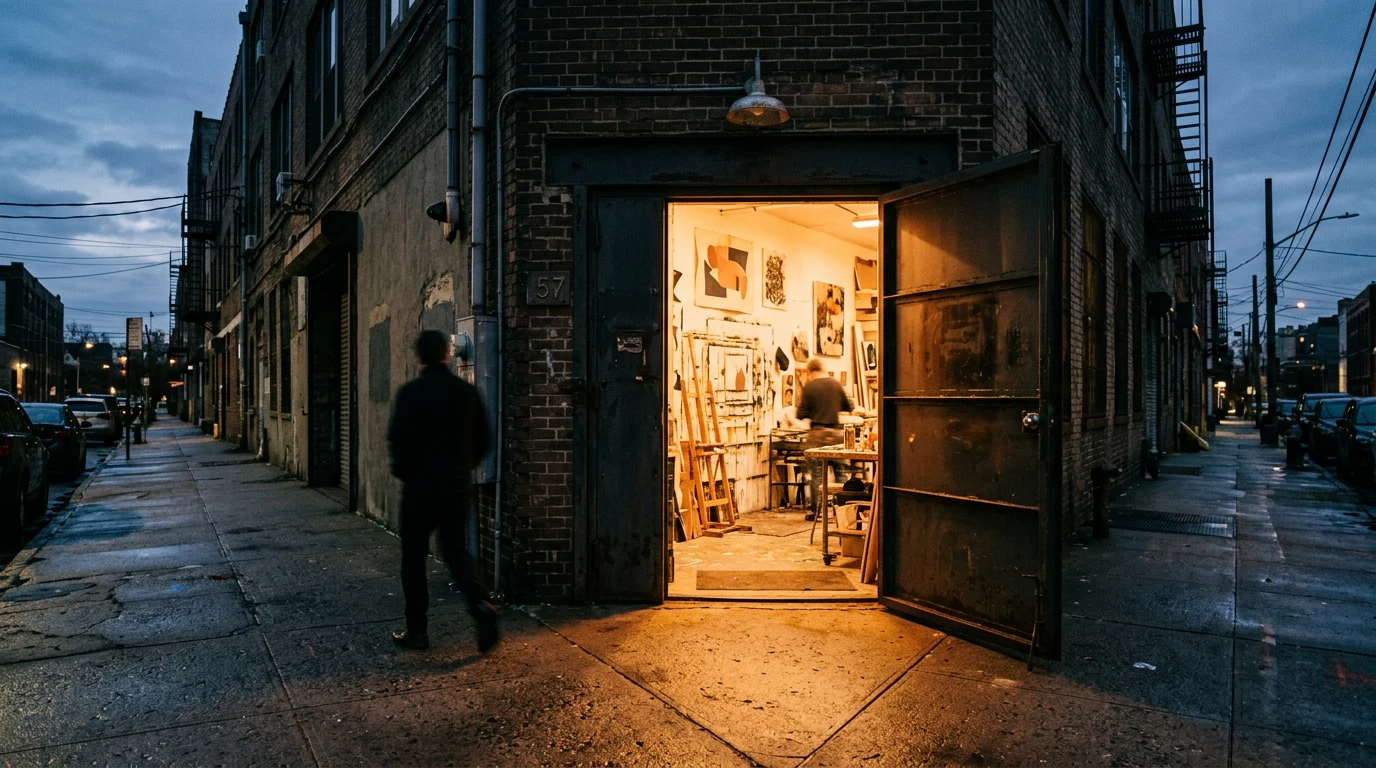
Most galleries in Bushwick have no dealer behind them. Walk Bogart Street by the Jefferson L stop — the 56 Bogart building alone stacks several collective-run rooms — and the person pouring wine is the person whose paintings hang inside. These spaces run on member labor instead of inventory. Here is the machinery.
What makes a gallery artist-run?
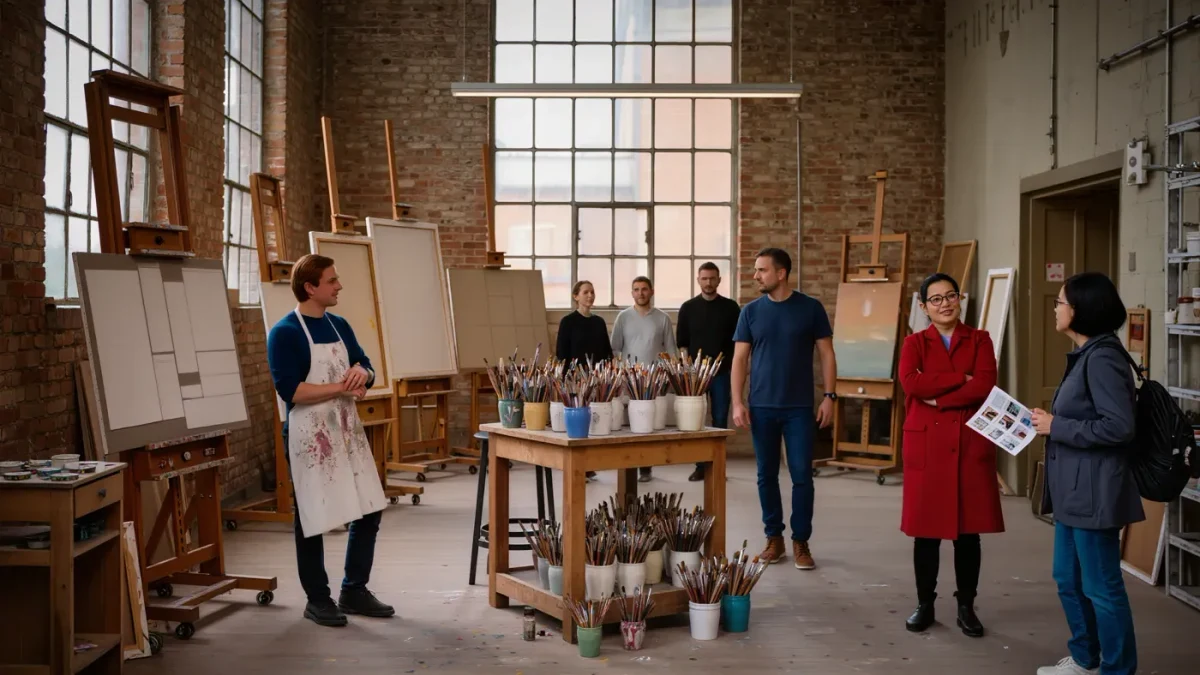
The members are the artists. An artist-run gallery is a room operated by the people exhibiting in it: they sign the lease or share a building, vote on programming, hang each other's shows, and absorb losses together. There is no dealer taking half of every sale and no roster to climb. Control is the whole point.
The format is older than the current wave. New York collectives have been renting rooms together since the SoHo lofts of the 1970s, when artists legalized their live-work floors one building at a time, and the idea keeps resurfacing wherever rent allows it. Bushwick's version took hold after Williamsburg got expensive, when painters priced out of North Brooklyn found cheaper industrial floors around Flushing Avenue and simply kept the door open on weekends. The names of individual rooms change constantly — plenty last only two seasons — but the structure does not.
Who pays the rent on a Bushwick gallery?
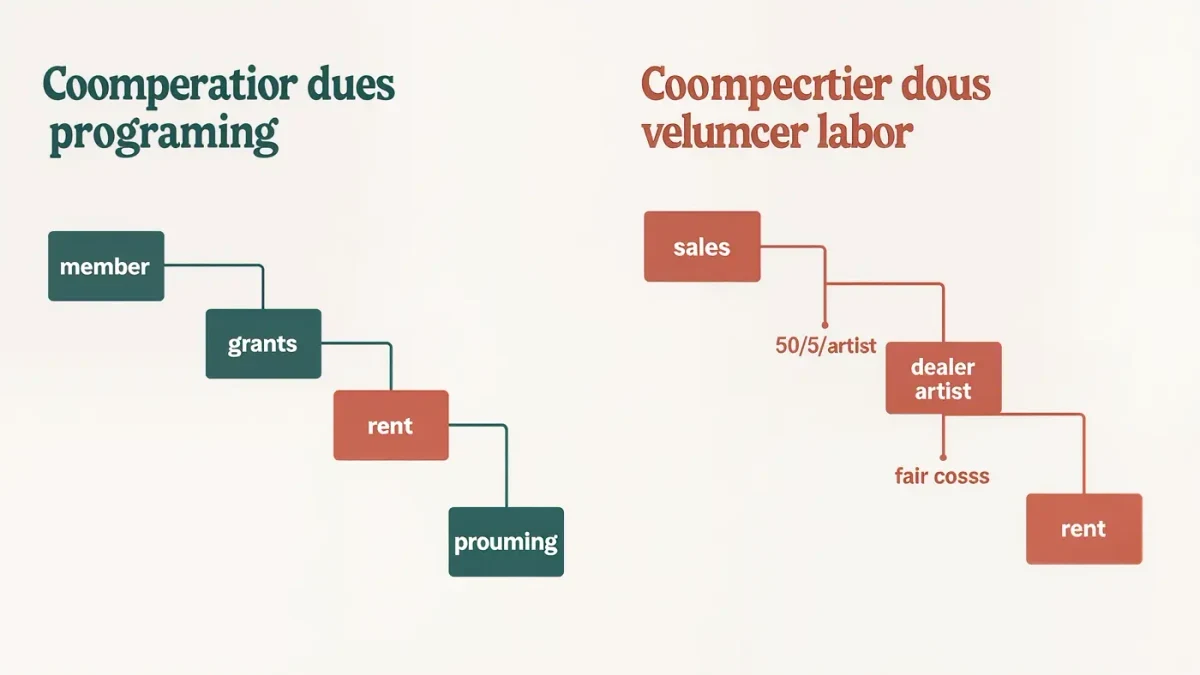
The members do, usually in monthly dues. A collective divides the room's rent, insurance, and utilities across everyone on the lease, sometimes on a sliding scale so cash-poor members pay in labor instead — sitting the desk, building walls, running the door. When someone leaves, the rest cover the gap until a new member buys in.
Landlords get a reliable tenant in a group that always has members, and members get square footage no single painter could justify alone. The trade is work: whatever the group cannot pay in cash, it pays in hours. That bargain holds until the lease comes up for renewal at a number the dues cannot reach, which is how one collective's farewell announcement becomes another's open call across the borough.
How do these spaces decide what to show?
Three ways: rotation, open call, and invitation. Rotations put every member up once a season. Open calls — posted on Instagram and mailing lists — pull in outside artists, usually for themed group shows judged by the members. Invitations go to artists the collective wants to exhibit, often someone one member met at another collective's opening.
Programming meetings are long, and that is the honest description. Because every member has a vote, a show idea gets argued over wall order, wall text, and whether the theme means anything at all. The slowness is the price of nobody owning the room. It also produces stranger, riskier group shows than a single dealer's taste usually permits, and that is precisely what the audience comes for.
Who works the opening?
The artists do, on a rotating chore wheel. Someone runs the door or the donation jar, someone pours the wine, someone plays the playlist, someone sells small works off a table by the window. Nobody earns an hourly wage for it. The party is the marketing budget, and the labor is free because it is the members' show.
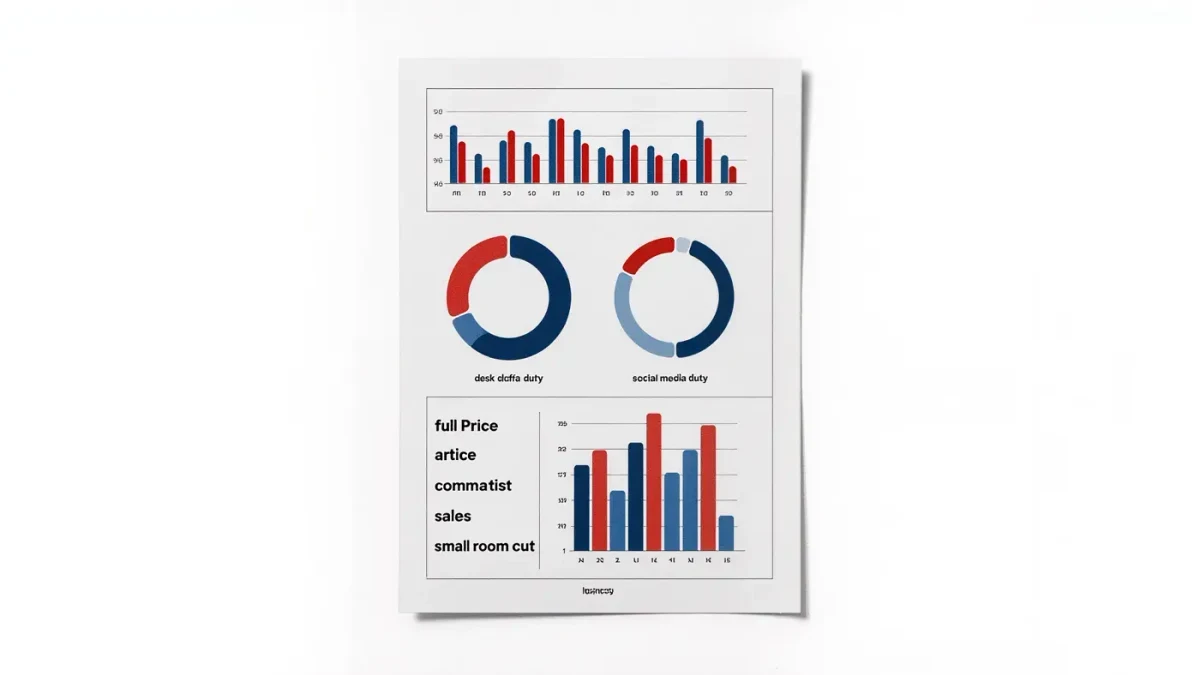
Before the doors open there is a work list that would cost real payroll in Chelsea:
- Building and painting temporary walls
- Sitting the desk during weekend open hours
- Running the space's account and event listings
- Receiving work, wrapping it, and hanging it
- Deinstalling and sweeping the night the show closes
Commercial galleries hire staff for all of this. Collectives pay themselves in the only currency they have, which is each other's trust.
What does an artist actually get from showing in one?
A wall, a crowd, and usually the whole sale price. Most collectives let artists keep every dollar or take only a small cut to cover the room's costs — the opposite of the fifty-fifty consignment split a commercial gallery takes. Just as valuable: installation shots, a CV line, curators' contact details, and a deadline forcing twelve new paintings into existence.
The limits are just as real. Foot traffic is neighbors, friends, and other artists, so a sellout show can still gross less than a month of day-job wages. Nobody here is building an auction record, and nobody pretends otherwise. What the room builds is a network and a work habit, and for artists outside the MFA-to-gallery pipeline, that has always been the accessible door.
Why does Bushwick still support this model?
Because the neighborhood still has the two things it needs: divisible industrial floors and a dense audience that walks. Former factories near Flushing Avenue and the Morgan and Jefferson stops cut into studios and project rooms, and first-Friday crowds move between them on foot. When rents jump, collectives scatter — but so far they re-form faster than they dissolve.
The pressures never stop. Rising rents, conversions of industrial buildings into apartments, and the slow crawl of rezoning have each taken rooms off the map over the past decade, and many artists have moved over the Queens line to Ridgewood for cheaper floors. The system absorbs it. New collectives sign leases in the same buildings the old ones emptied, which is why the scene reads as permanent even as every name in it turns over.
Is an artist-run room worth a visitor's evening?
Yes, and not only for the wine. Shows are free, artists are present, and work is priced for actual paychecks — a drawing can cost less than the bar tab afterward. Go on a first Friday, talk to whoever hung the wall, and buy something small if it moves you. That is how the room survives another season.
Go with low expectations and a wallet. At an artist-run room, the person who answers your question about a painting probably made it, which almost never happens on West 24th Street. Treat the donation jar as the ticket price. This guide is assembled from published sources and long-standing public listings rather than a reported visit, so check each space's page before traveling.
Frequently asked questions
Do artist-run galleries in Bushwick sell work?
Many do, and on better terms for the artist than most commercial rooms. Sales usually happen at the opening or by email afterward, with the artist keeping the full price or a large share of it. Prices skew low — prints, works on paper, small canvases — because the audience is neighbors, not collectors.
Can anyone visit, or is it invitation only?
Nearly all of them are open to anyone during posted hours, usually weekend afternoons, and openings listed on social media are public. Some rooms keep irregular hours because volunteers staff the desk, so check a space's account before crossing the borough. If the door is locked on a listed day, it is a missed shift, not a snub.
How do I get my work into one?
Answer the open calls, which most collectives post online a few weeks before each themed group show, and show up in person. These rooms run on relationships: the curators are artists who met everyone at other openings. Bring work that fits the room's scale, follow the submission rules exactly, and be easy to work with.
Are artist-run galleries the same as Bushwick Open Studios?
No. Bushwick Open Studios is a once-a-year neighborhood festival when studios and galleries all open at once; artist-run galleries are year-round rooms with regular programs. The festival is a good single night to sample many of them, but the collectives do their real work — exhibitions, open calls, member shows — on ordinary weekends the rest of the year.