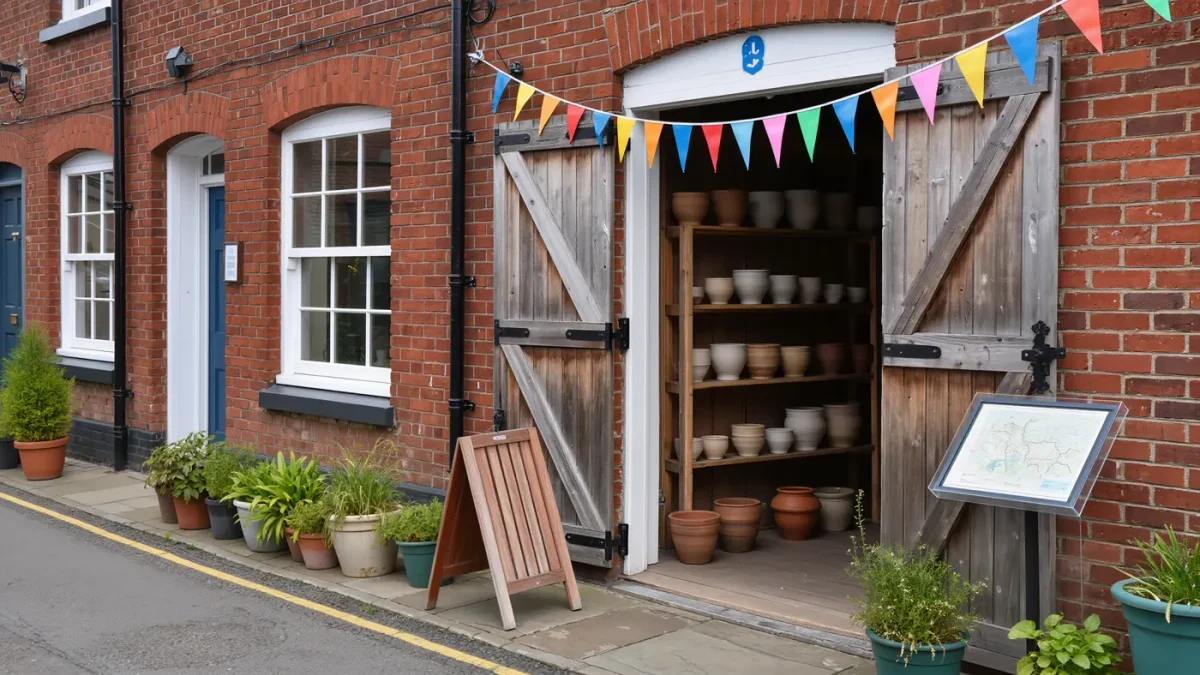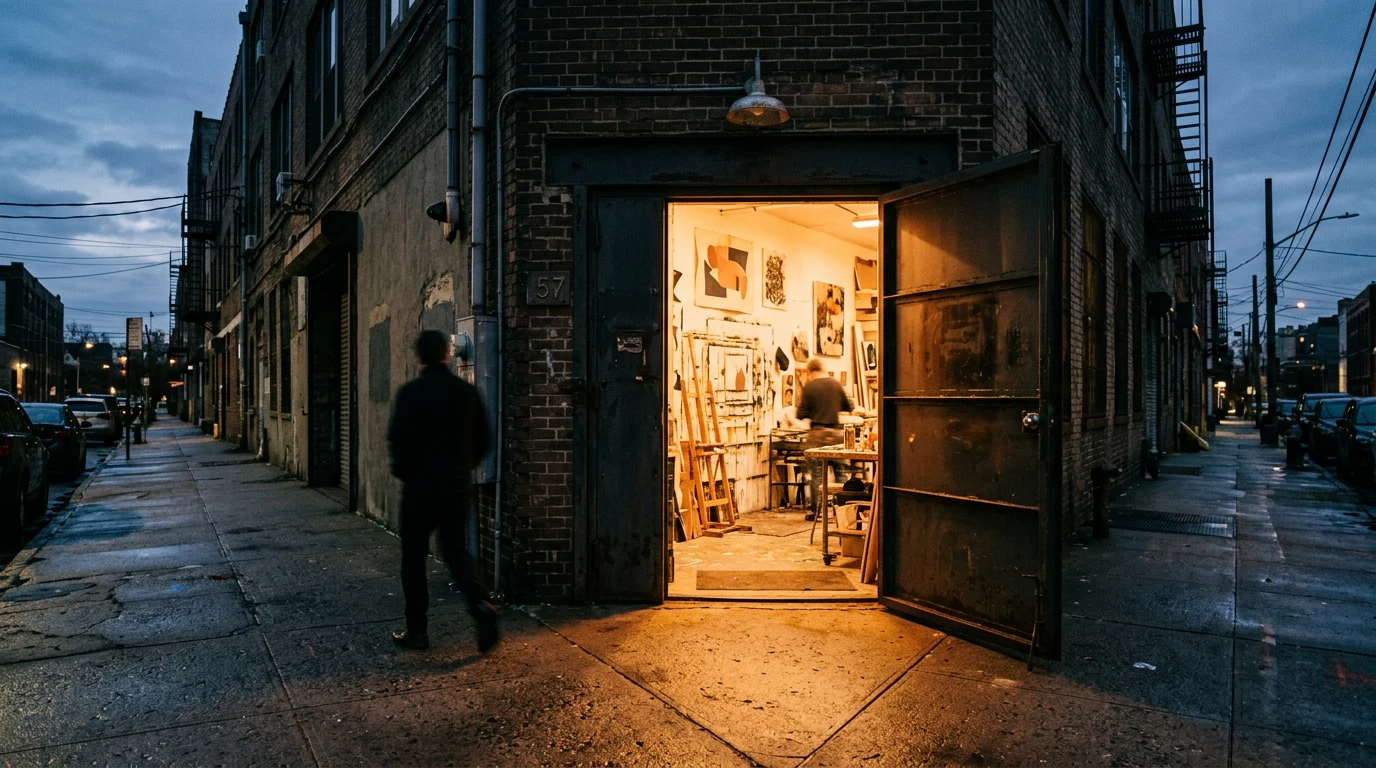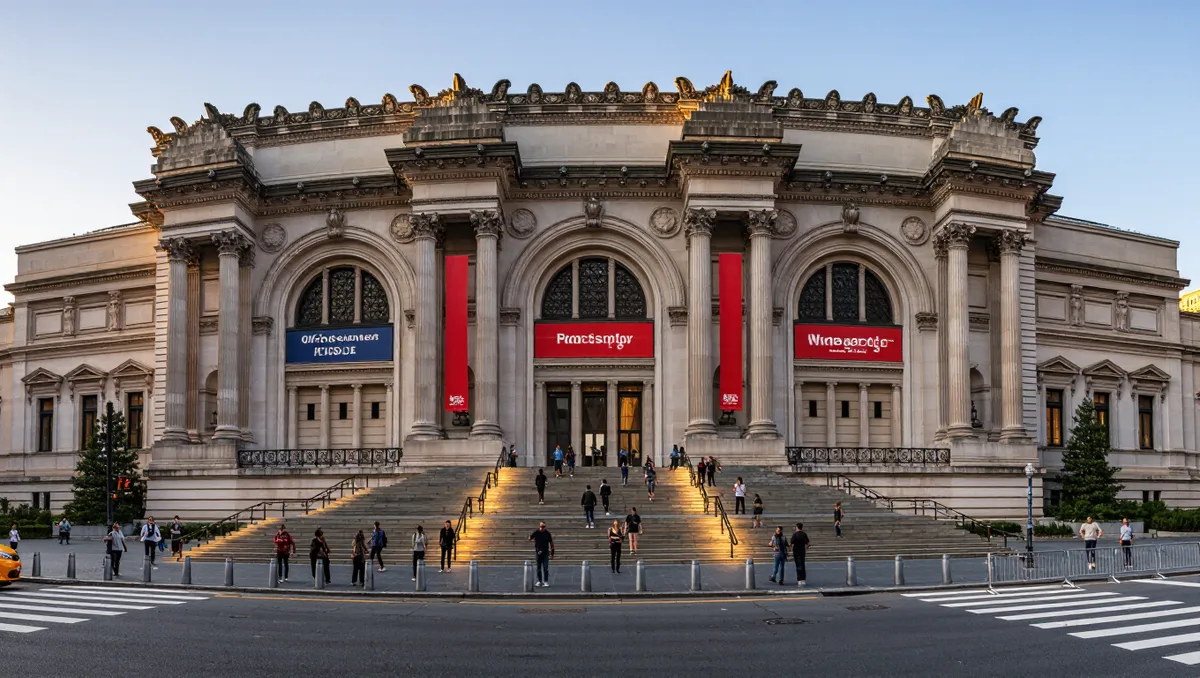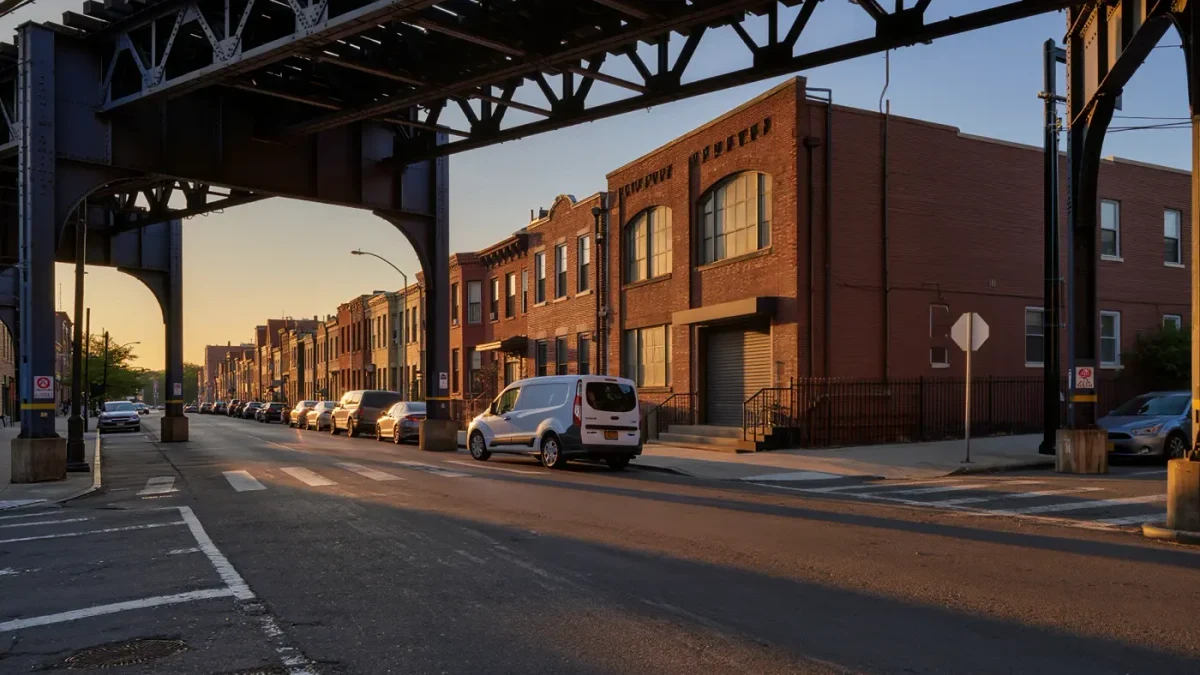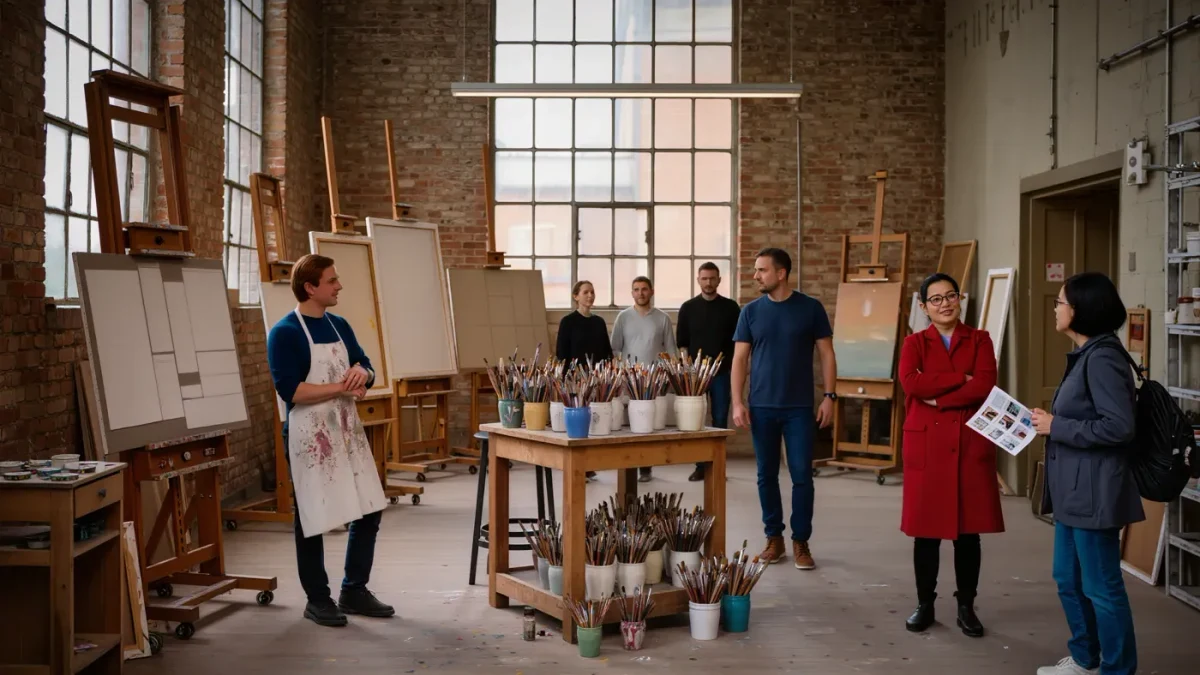
Every October in Gowanus, the studio doors along the canal swing open and several hundred artists let strangers in. Gowanus Open Studios, run by the organization Arts Gowanus, is the largest of the events that do what Bushwick's famous festival does — without Bushwick. Long Island City and Harlem run their own versions. Here is how they work.
What is an open studios event, exactly?
A free weekend when artists open the rooms where they actually work. A neighborhood organization publishes a map or list, visitors walk between buildings at their own pace, and the person beside the paintings is the one who made them. No tickets, no dealers, no white cube — studios, in progress, artists present, questions welcome.
The format rewards curiosity over credentials. Nothing is for sale that must be, nothing is staged that must be, and the hierarchy of a commercial gallery — dealer, roster, price list — dissolves at the freight door. For visitors it is the cheapest behind-the-scenes ticket in New York. For artists it is the one weekend the studio pays its own rent in attention.
How does Gowanus Open Studios work?
Arts Gowanus, the neighborhood's artist organization, coordinates it over a weekend each fall. Participating artists — several hundred in recent years — register in advance, appear on the printed and online map, and open their studios for free to anyone walking in. Studios cluster in the former industrial buildings between the canal and Fourth Avenue, many within a few blocks.
Gowanus suits the format because its studio stock is genuinely concentrated: old manufacturing floors, printing plants, and warehouse buildings cut into dozens of units, so a single doorway can hold six artists. The canal itself, long a federal Superfund cleanup site, gives the walk a strange beauty — bridges, barges, and brick. Check the organizer's map for the current year; buildings and participants change.
What about Long Island City?
Long Island City runs its own open studios tradition in spring, led by the longtime artist organization LIC Artists, with studio buildings opening around the neighborhood's core. The district also carries heavyweight anchors — the Noguchi Museum, Socrates Sculpture Park, SculptureCenter, and MoMA PS1 — so a studio day pairs easily with museum-going. Confirm dates with the organizers.
Geography is the attraction. Long Island City sits one subway stop from Midtown, and its studios — many in former factories near the Pulaski Bridge and Queensboro Plaza — sit within walking distance of the museums. The scale is smaller than Gowanus at its peak, and the weekend leans communal: artist-organized, volunteer-run, more potluck than production. Wear walking shoes and treat the skyline as the backdrop.
Can you do open studios in Harlem?
Yes, in a smaller and more scattered way. Harlem's open days tend to come from individual studio buildings and community arts organizations rather than one big coordinated weekend, so the trick is collecting dates instead of one map. The Studio Museum in Harlem anchors the neighborhood's art identity around West 125th Street, and studios fan out from there.
Harlem's studio culture runs deep — the neighborhood has carried artist communities since the Harlem Renaissance, when painters and sculptors worked out of brownstones and organized for recognition — but its open events reward planning. Follow the buildings and organizations directly, note their announced dates, and expect longer conversations than the bigger circuits allow. The work spans painting, textiles, photography, and social practice.
How do artists get into these events?
Registration, through the organizing body, with a modest fee and a deadline. Gowanus signs up artists through Arts Gowanus membership and listing forms; Long Island City's organizers run their own calls. Most are open to any artist with a studio in the neighborhood, not juried by taste. What the fee buys is a map listing and the promotion behind it.
The requirements are geographic more than aesthetic: prove the studio is in the neighborhood, pay the fee, clean the floor. That openness is the point. These weekends measure who is actually working where, not who a committee favors, and the maps double as a census of the city's studio stock — one of the few honest ones, because artists list themselves.
What do artists get out of opening their studios?
Direct sales, mailing-list signups, and studio visits — the currency of emerging careers. Work sells at studio prices with no gallery split, visitors join mailing lists at the door, and curators use the maps to scout. The costs are labor: two days sitting, weeks of cleaning, and the nerves of showing unfinished work. Most participants call it worth it.
The economics are plain. A weekend of direct sales can cover a month of studio rent in a good year, and the mailing list compounds quietly for the next decade. Just as many artists report that the real take was a conversation — a commission request, a curator's card, a collaborator met at the folding table. None of that requires a Manhattan gallery's permission.
How should a visitor plan an open studios day?
One neighborhood per day, one map, comfortable shoes. Pick a cluster of studios within walking distance rather than racing the whole list, start early afternoon when artists are fresh, and leave room for the conversations that are the entire point. Bring a bag for purchases and cash for small works. Check the organizer's site the week of the event.
Etiquette is easy: say hello before photographing, ask before touching, and treat the studio as a workplace. Asking about process is always welcome; asking how much is also fair, since prices are often posted. If nothing is for sale, take a card. The artists who open their doors are donating a weekend; the fee for that is attention.
One honest note: this guide is assembled from published sources and the organizers' long-standing public listings, not a reported visit. Dates shift year to year, so confirm before building a weekend around one.
Frequently asked questions
Are open studios events free to attend?
Almost always, yes. The organizing groups fund the weekends through memberships, registration fees, and sponsorships rather than door charges, so visitors walk in without tickets. Some preview receptions ask for a donation or membership, but the studios themselves are open to anyone. Check the event's page for current details.
Can you buy art at open studios?
Yes, usually at the best prices the work will ever carry. Because no gallery takes its share, artists price studio-direct and often stock smaller pieces — works on paper, prints, ceramics — for the occasion. Ask about payment methods; some take cards, others cash or transfers. Buying directly is the whole point of the weekend.
How is this different from a gallery walk?
A gallery walk shows finished work in rooms built for display; open studios show working rooms, half-finished work, and the person making it. The conversations run to process and price rather than interpretation. Expect clutter, daylight instead of track lighting, and less polish. In exchange, you see the labor side of the art world.
When do these events happen each year?
Gowanus Open Studios has run on a fall weekend, typically in October, and Long Island City's open studios have landed in spring — but dates shift, and Harlem's smaller open days scatter across the calendar. The organizing groups publish current dates each season. Check before planning; the events are worth building a weekend around.