Topic
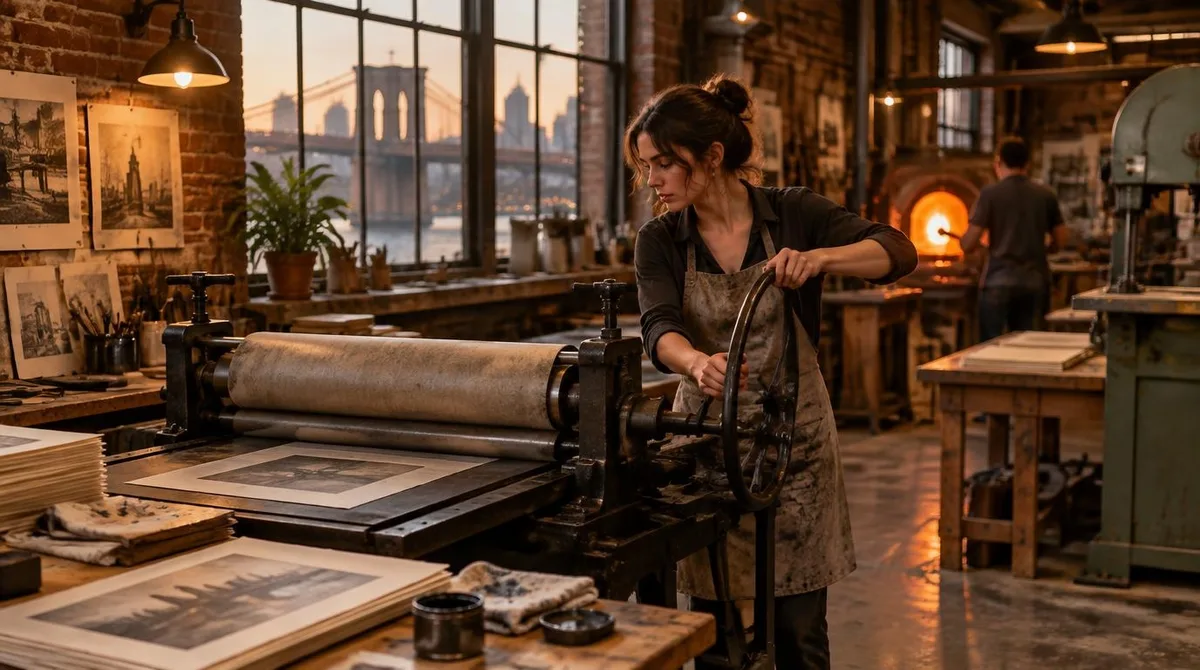
The Shared Shop: How Wood and Metal Shops Serve Artists
Shared shops like UrbanGlass and the Lower East Side Printshop give New York artists hours on furnaces and presses that no solo studio budget could carry.
Shared shops like UrbanGlass and the Lower East Side Printshop give New York artists hours on furnaces and presses that no solo studio budget could carry.
A Baltimore nonprofit just hit a 45-year milestone. Here's what organizations like it do for working artists, and why the model matters.
A plain-English glossary of the exhibition types you see on gallery walls, and what each one asks of the artist.

In 2006 Austria returned five Klimt paintings to Maria Altmann, the largest single return of Nazi-looted art in the country's record, nine years after the non-binding Washington Principles of 1998.
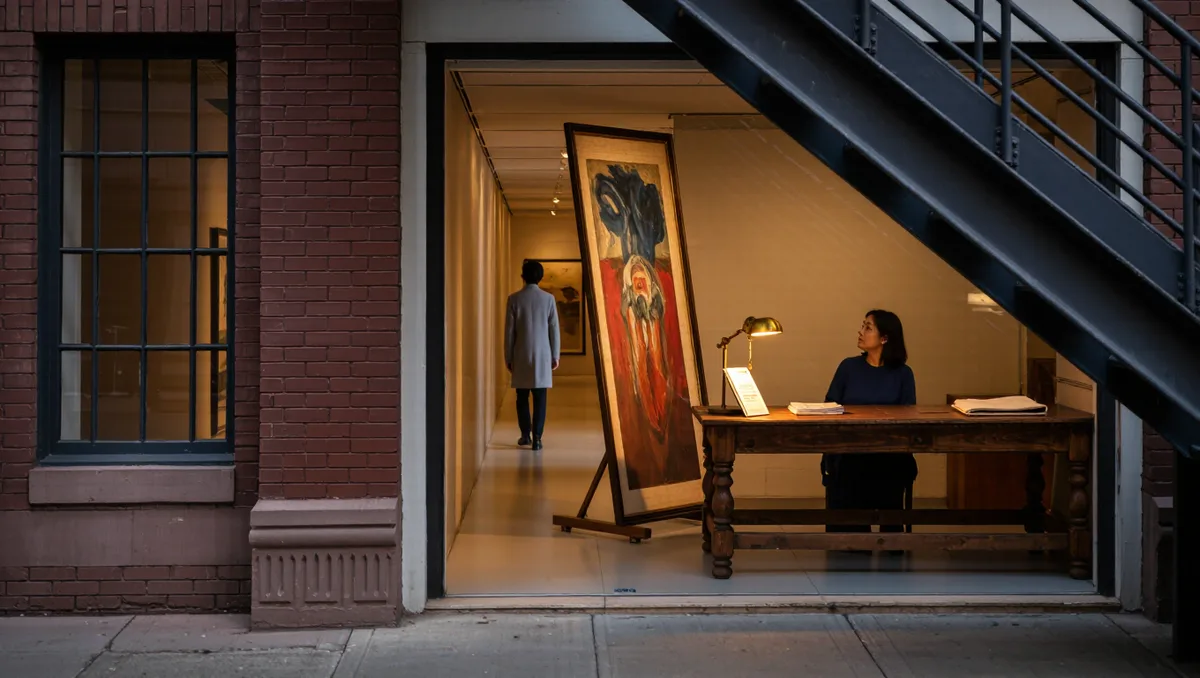
Commercial galleries are free, need no appointment, and welcome browsers; a first walk through West Chelsea's 200-plus doors needs only four moves.

Retrospectives gather an artist's work across decades, staged late for the long view, and Canada's documented fee fight put pay behind the honor.
Galleries typically keep 25 to 50 percent of a sale, and consignment keeps ownership and risk with the artist until a buyer pays.

The hammer price is the winning bid; buyer's premiums, seller commissions and United States resale law decide who actually keeps the money.