First gallery representation almost never starts with a cold email; it starts inside the ecosystem. A dealer watches an artist across two or three group shows, visits the studio, and proposes a consignment arrangement — the standard first deal in New York, where the state's arts and cultural affairs law expects consignment terms to be documented in writing. The courtship runs on relationships. The paperwork comes last.
The odds are sobering and worth saying plainly: any given gallery represents a few dozen artists and fields introductions from all of them. Representation is not a prize for good work alone; it is a business decision about inventory, narrative, and trust.
What do galleries actually look for in an artist?
A coherent body of work deep enough to fill a room — roughly twenty strong pieces, not five good ones and fifteen fillers — plus an exhibition record that shows momentum, a price history that proves people buy, and a temperament that survives deadlines. Above all, a fit with the program the gallery is already telling. The artist's job is to look inevitable in that context.
Momentum matters more than any single masterpiece. A dealer wants a story that runs forward: solo shows at artist-run spaces in Ridgewood, a fellowship, a residency, reviews, a collector or two who bought twice. Each line is evidence the artist will still be producing, promoting, and shipping on time five years out. Galleries bet on trajectories, not snapshots.
Fit is the quiet variable. A gallery that sells austere abstraction hesitates before taking on figurative maximalism, however strong, because its collector list was built around one appetite. Researching programs before pursuing them saves years. The right match beats the prestigious mismatch every time.
How do artists get on a gallery's radar?
Group shows, referrals, and patience. Curators, fellow artists, and collectors carry names to dealers; open studios and neighborhood exhibitions in Brooklyn and Queens put the work in front of exactly these people. A studio visit requested by a gallerist usually follows months of quiet watching, not one lucky opening-night conversation.
The referral economy rewards generosity. Artists who organize shows for others, write about peers, lend work to benefits, and show up consistently are the ones whose names travel. A recommendation from an artist the gallery already represents carries more weight than any portfolio, because the recommender's reputation rides along with it.
What does not work: mass emails with giant attachments, direct-message pitches, and anything that smells of a mailing list. Dealers delete those before breakfast. A short note referencing a specific exhibition, with a link to a clean portfolio site, is the ceiling of acceptable outreach — and only after a genuine point of contact exists.
What does a first representation deal look like?
Mostly consignment: the artist keeps ownership, the gallery exhibits and sells, and the two split the sale — customarily around half and half, though terms move with framing, shipping, and discount policy. New York's arts and cultural affairs law expects the arrangement to be documented in writing, which both sides should insist on anyway. Territory, term length, and payment timing belong in that document.
The questions worth asking before signing: Is the exclusivity New York, national, or worldwide? How quickly is the artist paid after a sale — thirty, sixty, ninety days? Does the gallery discount to collectors, and who absorbs it? Who pays for crates, courier, framing, and photography? What happens to unsold work at the end of the term? Every one of these is ordinary business. Any gallery offended by them is announcing something.
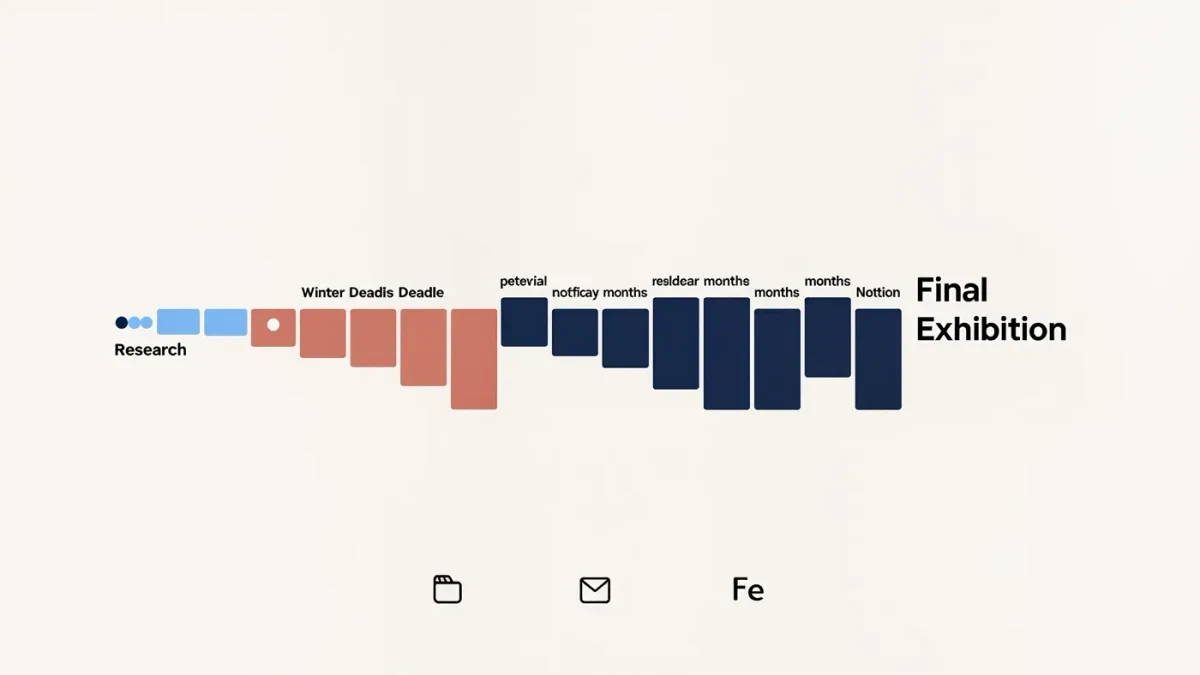
A first agreement is usually modest on purpose: a one- or two-year term, a single city of exclusivity, maybe a small booth commitment at a fair. It is a trial for both parties. Ambitious artists sometimes want maximum commitment immediately; the wiser ones want the option to renegotiate from strength after the first sold-out show.
What are the red flags in a first gallery offer?
Upfront fees are the loudest siren. Galleries that charge artists to exhibit — wall rent, mandatory promotion packages, printing costs priced at a markup — operate on the artist's hope rather than the collector's wallet. Legitimate galleries earn from sales. There are exceptions and gray zones, but a first-time artist rarely benefits from them.
Other warnings: no written agreement at all; consignments that never end and never report; pressure for worldwide exclusivity with no exhibition on the calendar; reluctance to name the collectors buying the work; payments that arrive late and only after chasing. Each one alone might be sloppiness. Three together are a pattern, and patterns do not improve after signing.
The hardest red flag to see is the flattering one: a gallery whose enthusiasm runs far ahead of its operations. Charm opens doors that follow-through has to hold open. Ask other represented artists how the gallery actually behaves — on payment, on promotion, on the phone in November. Peers answer honestly.
Can artists build toward representation without waiting for it?
Yes, and the strongest negotiating position is a practice that already functions. Direct studio sales at fair prices, a mailing list of collectors who buy again, steady group-show visibility, and clean documentation make an artist credible without any dealer's blessing — and make the eventual representation negotiation shorter, because half the argument is already proven.
Some artists decline representation deliberately and sell through project spaces, art-fair satellite programs, and their own channels, keeping the full sale price and the collector relationships. That road demands admin discipline and self-promotion stamina. It trades the gallery's machinery for the artist's calendar, and for a growing number of New York painters and sculptors, the trade is worth it.
Frequently asked questions
How long does it usually take to get gallery representation?
Years, not months. Most first representations in New York arrive after five to ten years of group shows, open studios, residencies, and referrals — the period when a dealer can watch an artist develop across seasons. Impatience reads as risk. The artists who keep producing through the invisible years tend to surface with leverage.
Do galleries charge artists to show their work?
Legitimate commercial galleries do not; they earn a commission on sales, customarily around half. Venues that charge wall rent or exhibition fees are running a different business, sometimes called vanity representation, and the value to the artist is usually close to zero. Nonprofit spaces may ask for modest participation costs, which is a separate, disclosed arrangement.
What percentage does a gallery take on a sale?
The customary split in New York hovers around fifty-fifty on primary sales, shifting with who paid for framing, shipping, and discounts. Secondary-market consignments can run higher. The number matters less than the written terms around it: payment timing, discount authority, and what happens to unsold work at the term's end.
Should an artist sign exclusivity with a first gallery?
Limited exclusivity, yes; blanket exclusivity, cautiously. A first agreement that covers a single city for one or two years gives the gallery reason to invest while leaving the artist room to exhibit elsewhere and test the relationship. Worldwide exclusivity belongs to established partnerships, not untested ones.