Group shows in Brooklyn and Queens get built from three sources: open calls, referrals, and the room's own community. The Bronx Museum's long-running Artists in the Marketplace seminar ends in a museum group exhibition, while artist-run spaces across Bushwick, Ridgewood, and Long Island City program themed shows year-round from the artists who already walk through their doors. Familiarity is the currency. The open call is the on-ramp.
Group shows are also the plainest rung in a New York career — the place where CVs start, networks form, and curators first notice whose work behaves in a room. They frequently do not pay.
Who puts on group shows in Brooklyn and Queens?
Four kinds of organizers dominate. Artist-run galleries, where the exhibitors are also the staff. Small nonprofits and cultural centers with borough roots, some supported through the city's Department of Cultural Affairs funding. Collectives that mount themed exhibitions in borrowed storefronts. And independent curators who assemble rosters, then find a room — a model that keeps the outer boroughs stocked with exhibitions no Manhattan gallery would risk.
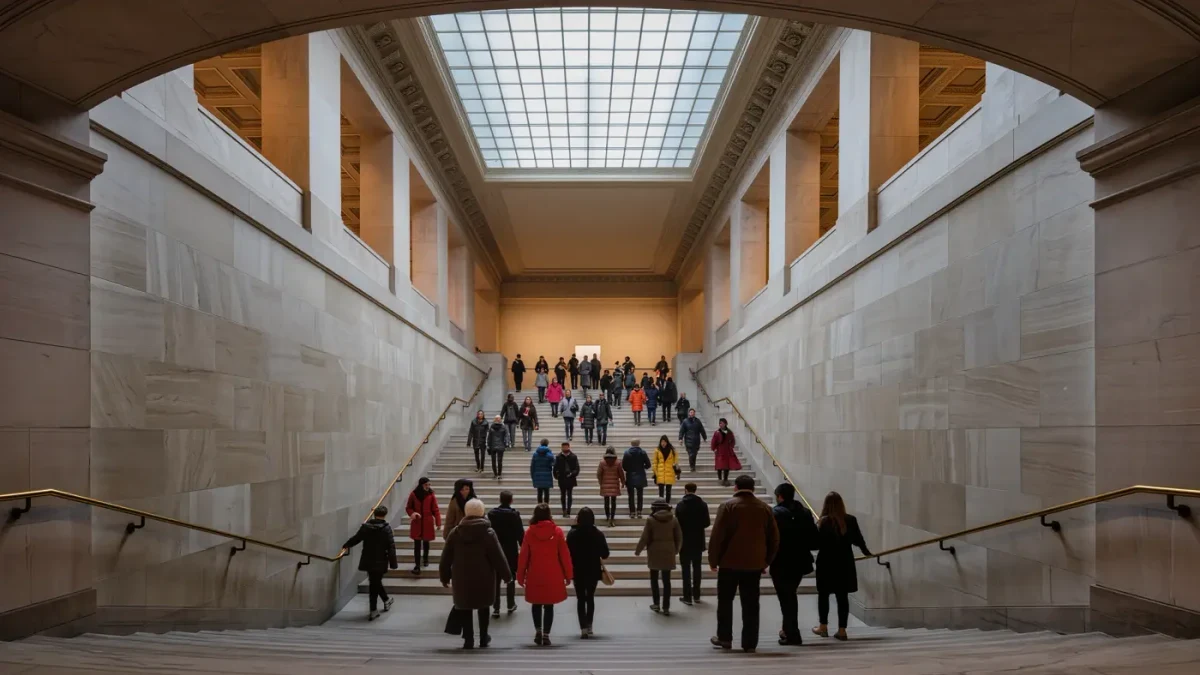
The venues are as varied as the organizers: project rooms behind laundromats, second-floor spaces above restaurants, converted industrial buildings in Maspeth and Gowanus, established institutions like Socrates Sculpture Park in Long Island City that program outdoor group exhibitions in warm months. What unites them is modest budgets and direct relationships. There is no assistant to get past. Often there is no assistant at all.
Thematic shows are the standard format — a call for work about water, memory, surveillance, the commute — because a theme gives an unfamiliar jury a reason to say yes. Artists who read the theme as a genuine prompt, rather than a formality, get in more often. The fit is the submission.
Where do artists find open calls?
Venue newsletters first: nearly every artist-run space and small nonprofit maintains a mailing list where calls appear before they circulate anywhere else. The New York Foundation for the Arts classifieds aggregate opportunities regionally. Social accounts of specific spaces announce calls to their followers, and borough arts networks pass deadlines between organizations.
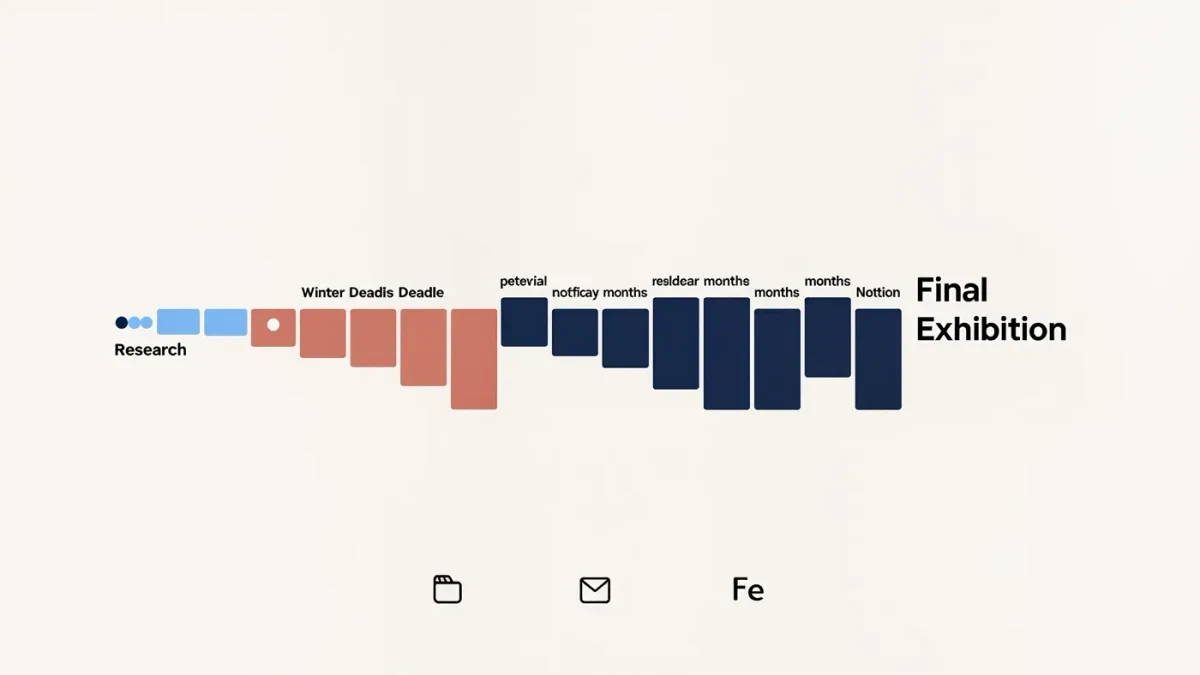
Deadlines cluster in late winter and summer, ahead of spring and autumn exhibition seasons, so a calendar reminder in January and July pays for itself. The other channel is older than any platform: the conversation at the opening. Organizers mention upcoming themes to the room, and the room remembers. Attending shows at a venue before applying to it is not networking theater — it is research.
What do curators want in a submission?
Professional images with dimensions and media listed, a statement that speaks to the actual theme, a one-page CV, and clean adherence to the instructions. Jurors reviewing dozens of submissions in an evening spend seconds per artist at first pass, so the work must read instantly and the paperwork must not irritate. Following instructions exactly is the cheapest advantage available.
The images carry the decision, and the statement breaks ties. A submission of five strong, coherent works beats ten scattered ones, because group-show curators are assembling a chorus, not a warehouse. Practical fit matters more than beginners expect: wall-mounted works for wall-heavy rooms, durable pieces for outdoor parks, manageable sizes for a space with a stairwell and no elevator. Reading the room — literally — separates the accepted from the almost.
Price lists belong in the submission if requested, and honest ones. Overpricing for a group show in a Ridgewood storefront confuses the jury about the artist's level; underpricing signals panic. New work priced modestly, rising with each accepted show, builds the record every later application cites.
Do group shows pay artists?
Historically, many did not — sales commissions and exposure were the offer. That norm is under real pressure: the advocacy group W.A.G.E. (Working Artists and the Greater Economy) has pushed institutions since 2008 to pay stated fees for exhibiting artists, and a growing number of New York venues now include modest honoraria in grant budgets. Outside Manhattan, payment remains inconsistent, and artists should ask plainly before accepting.
The line that should never be crossed runs the other way: artists paying to exhibit. Spaces that charge wall rent for group shows are running a different business, and the CV line it buys is worth approximately nothing to curators who know the model. Legitimate artist-run rooms may ask members to staff shifts or share install labor. Cash for wall is not membership. It is a toll.
How does one group show become five?
Delivery. The artist who ships on time, labels everything, prices sanely, attends the opening, and collects work punctually becomes the one organizers call next, because reliability is rarer than talent. Group shows multiply through the people met inside them: fellow exhibitors curate their own shows and remember who was easy to work with; curators file names for future themes; collectors make first purchases at modest group-show prices.
The compounding takes roughly two years per cycle — one accepted show leading to two invitations, those leading to a small reputation in a neighborhood scene, that reputation supporting applications to seminar programs like Artists in the Marketplace or to residencies further out. None of it is fast. All of it starts with the same unglamorous act: getting one strong piece onto one group-show wall in the outer boroughs, and behaving well while it hangs there.
Frequently asked questions
How do artists find group shows to submit to in Brooklyn and Queens?
Sign up for the newsletters of artist-run spaces and small nonprofits in the neighborhoods where an artist hopes to show, watch the New York Foundation for the Arts classifieds, and attend openings to hear about themed calls before they post. Deadlines cluster in late winter and midsummer ahead of exhibition seasons. A January calendar reminder earns its keep.
Do you have to pay to get into a group show?
No. Legitimate venues select through submissions and charge nothing to exhibit; a few artist-run rooms ask members for labor or small dues, which is a different arrangement. Any space selling wall space by the foot is operating a pay-to-show model, and curators generally discount that credit heavily. If a fee appears, read it as a warning, not an invoice.
What should a group show submission include?
Exactly what the call requests: usually five to ten images with title, media, dimensions, and year; a short statement addressing the theme; a one-page CV; and a price list if asked. Clean photography and strict adherence to instructions matter more than volume. Coherence beats quantity when a jury is building a chorus.
Can group shows actually lead to gallery representation?
Indirectly, yes — that is their main career function. Dealers watch themed shows to spot artists whose work holds a room, curators file names for future projects, and fellow exhibitors carry recommendations into their own spaces. The group show rarely hands anyone a gallery. It builds the record and the relationships that representation eventually requires.