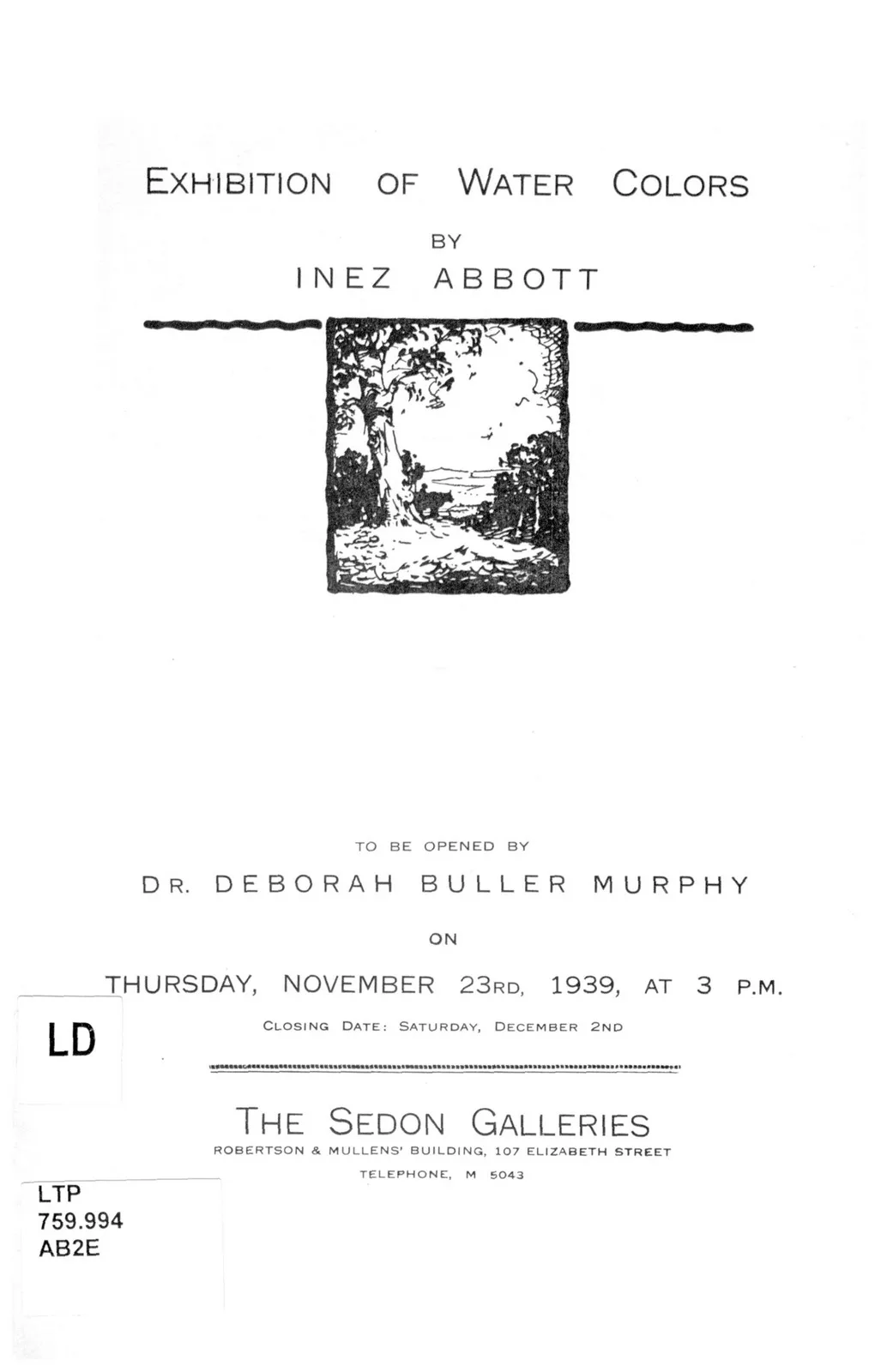
An exhibition ends. A catalogue stays. That printed record is often the most lasting part of a show, and many people wonder how these books come to be and who covers the cost. The answer involves publishers, outside backers, and a team of writers. The book can outlive the show by years.
First, a note on scope. There are two types of exhibition catalogue. One is a printed list of exhibits at an art exhibition. The other is a directory of exhibitors at a trade fair. This article is about the art and museum kind. Exhibition catalogue history explains a lot about how the modern book took shape.
From Handlist to Coffee Table Book
Catalogues range in scale from a single printed sheet to a lavish hardcover coffee table book. The change came with technology. Cheap colour printing arrived in the 1960s. Before that, a catalogue was often just a handlist with several works to each page. The new presses turned those lists into large descriptive catalogues. The aim was a book many people would want to read. These were meant both for scholarship and for general readers. Today, catalogues for museum shows are often far more detailed than the catalogues of those museums' permanent collections. We covered a connected angle in How to Attend a New York Art Fair.
Big loan shows changed things too. In the early 21st century, exhibitions that gather items from other institutions very often have catalogues in the form of substantial books.
What Goes Inside
Book-sized catalogues in the West typically carry a colour photograph of every item on display. They also show other relevant works that are not in the show. Each item gets a short formal catalogue description. There is usually text that explains each work as well, which can run to a page or more. The exact mix depends on the size of the show. The resulting book will have at least one introductory essay, often several. It will also carry footnotes, a bibliography, and other notes for scholars. Readers following this should also see How Artist-Run Galleries Work in Bushwick.
If a show travels to other countries, local translated editions are produced for each stop.
Who Publishes and Who Pays
The book may be published by the institution that hosts the exhibition. But it is distributed by, and often co-published with, a larger publisher. Money comes from more than book sales. Many catalogues receive dedicated backing from outside supporters to finance them. And usually a number of authors contribute to the text.
Scale varies with ambition. In recent decades, catalogues have grown to great sizes. Some have become the most complete sources for even rather large subject areas. A big catalogue is rarely the work of one person, which is why so many authors take part. Backers and writers are both part of the mix.
Paperback or Hardback?
Nearly all are produced in paperback. A hardback edition is a sign of serious intentions. Most major catalogues are sold in at least some bookshops. They can also be ordered more widely through the book trade. Many catalogues do not dwell on the fact that they record one show. Some do not even contain a plan of the exhibition. Visitors already know it. The aim is to create a book with permanent usefulness. In that way, the book serves readers long after the doors have shut.
Conclusion: The Show That Stays on the Shelf
An exhibition catalogue is made by a host institution, a larger co-publisher, outside backers, and a team of authors. Photographs, descriptions, essays and notes turn a temporary event into a lasting source. When you pick one up, you are holding the most durable part of the exhibition. You are also holding the most complete record of the works it brought together.