A working studio in New York usually needs two policies: liability coverage the lease demands, and a fine-arts policy covering the work itself — in the studio, in transit, and at exhibitions. Ordinary tenant policies cover laptops and chairs, not inventory. The New York State Department of Financial Services licenses the carriers, and the exclusions matter more than the premium.
Insurance is a contract, not a mood: coverage is exactly as wide as the words in the policy and no wider. Artists tend to buy it once, file the certificate with the lease, and never read it again — which is how a flooded basement full of paintings turns into a lesson in fine print. Art Real NY publishes information, not legal advice; for a specific policy question, ask a broker or the Department of Financial Services itself.
What kinds of insurance does a studio need?
Usually three: commercial general liability, which most leases require and which covers injury and property-damage claims; a tenant's property policy for equipment and improvements; and a fine-arts policy for the work itself. Studios with employees add workers' compensation, which New York State requires. Everything else is trim.
The lease usually dictates the liability floor, and commercial landlords in the city commonly standardize on about a million dollars per occurrence, with the tenant naming the owner as an additional insured. That endorsement is the clause tenants forget most often and hear about fastest. The property policy picks up what the lease calls tenant improvements — the partitions, the ventilation, the lighting somebody paid for — plus tools and equipment. Read the lease first, buy second; the document tells you the minimum, and the practice tells you the rest. Landlords commonly ask for a certificate of insurance at signing and again at each renewal, and letting it lapse while the lease runs on is a quiet default that surfaces at the worst possible moment.
How does insurance for finished artwork work?
Fine-arts coverage — often written as an inland marine policy — schedules work by declared value and follows it: in the studio, on the truck, at a gallery or fair, sometimes in storage. Valuation is typically agreed value set with the carrier, and premiums scale with the total declared. The policy is only as strong as the inventory behind it.
Declaring value is where artists tie themselves in knots, and the answer is refreshingly unromantic: materials plus the labor embedded in the piece — the hours of stretching, painting, welding, finishing. What a work might someday fetch from a collector is not an insurable fact, and couriers, galleries and museums that borrow work will each state their own requirements anyway. The working habit is simpler than the anxiety suggests: every finished piece gets photographed, measured, logged and added to the schedule at declared value, and the schedule gets reviewed once a year when the inventory turns over.
What do studio policies usually exclude?
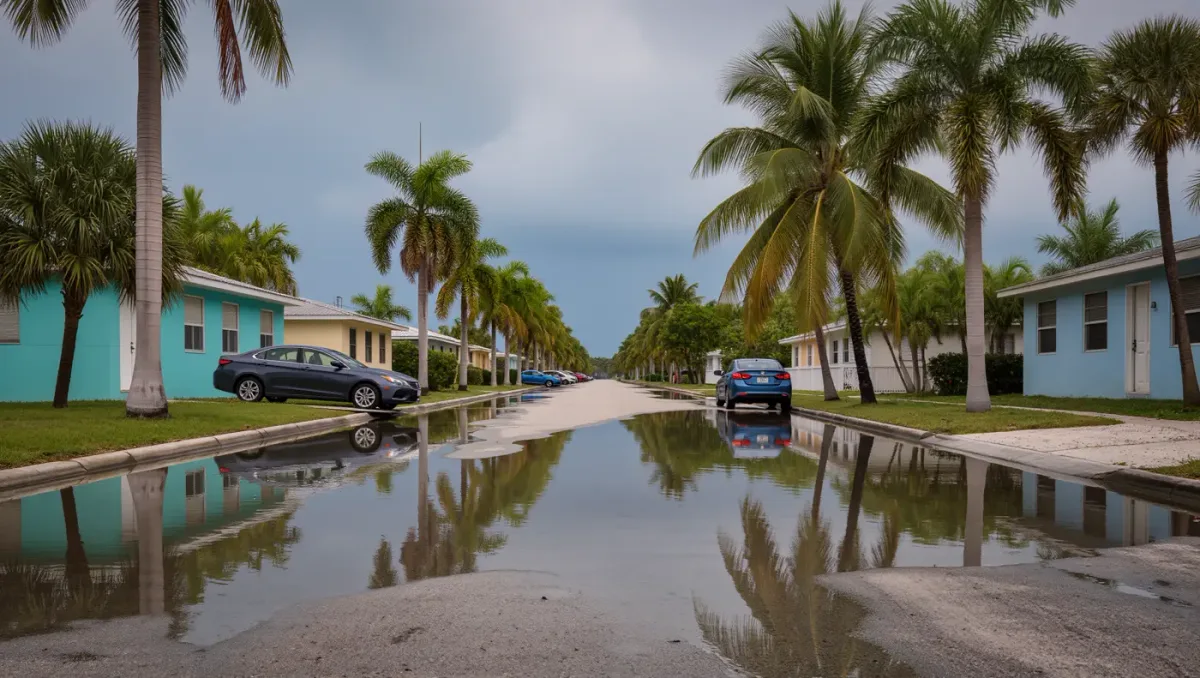
Flood, first — and New York basements know water. Standard policies also exclude earth movement, war, ordinary wear, inherent vice and mold, and they can cap or deny claims for inventory nobody documented. Flood insurance is written separately, largely through the National Flood Insurance Program, and typically carries a 30-day waiting period before coverage begins.
The city wrote this lesson in water. When Superstorm Sandy flooded studios along the Gowanus Canal in 2012, artists who had assumed any insurance was enough discovered the difference between a water-damage rider and a flood exclusion — often while hauling decades of work to the curb. Basement and ground-floor studios in flood zones need coverage bought for that risk specifically, bought before the forecast, not after it. The same logic extends to sprinkler discharge and pipe bursts: water arrives from more directions than the sky.
How do artists document work for a claim?
With photographs, measurements, condition notes and receipts, kept somewhere the loss cannot reach — cloud storage, not the studio shelf. A quarterly inventory habit does it: every finished piece shot front and back, dimensions and materials logged, purchase records scanned. Claims are paperwork or nothing.
The documentation does double duty. The same archive that supports a claim also feeds gallery submissions, consignment records and exhibition catalogs, which makes it the rare studio chore that pays three ways at once. The classic failure is not laziness but location: the beautiful spreadsheet saved to the laptop sitting under the leaking roof. Offsite backup is the whole trick — the photos of the work must outlive the work's room. Artists who ship regularly add condition reports — photographs and notes made before crating and after arrival — so damage in transit becomes a documented claim instead of an argument with a freight company.
What drives the cost of studio insurance?
Construction and contents: square footage, building class, fire protection, security, the flood zone on the map, and the medium itself. A welder's shop prices differently than a watercolorist's corner. A broker who works with artists can shop carriers, and organizations like CERF+ publish guidance built for people who make things for a living.
Two mismatches recur. Artists over-insure contents while under-insuring liability, when the lease and the lawyer both care more about the second. And artists price by sentimental value, which carriers do not recognize — they recognize declared value, receipts and photographs. The premium is a function of honest numbers; the habit of reviewing those numbers each year costs nothing and keeps the policy attached to the actual practice, not the one from three apartments ago. And the medium moves the number more than the square footage does: open flame, spray finishing and kilns each reprice the room.
Frequently asked questions
Does renters insurance cover artwork in a studio?
Usually not well, and not for working inventory. Residential renters policies carry low caps for valuables and commonly exclude business property, which is what finished work awaiting sale is. A tenant's policy for the space plus a fine-arts schedule for the work covers what a renters policy only gestures at.
Does my landlord's insurance cover my studio?
No. The building policy covers the building — structure, common areas, the owner's liability. Everything inside the studio, from the kiln to the canvases, belongs on the tenant's own policies. Leases usually say this outright; the ones that do not still mean it.
Is flood damage covered by studio insurance?
Not by standard policies — flood is a named exclusion, covered only by separate flood insurance, largely through the National Flood Insurance Program. That coverage typically starts 30 days after purchase, which is why flood-zone studios buy it in dry seasons. Water damage from burst pipes is a different peril and often covered; the policy's definitions decide.
How much insurance does a working artist actually need?
Start with two numbers: the lease-required liability minimum, and the honest declared value of the inventory on hand plus equipment. Review both annually as the practice grows. Artists who insure those two figures correctly are covered for the losses that actually happen; everything beyond is optimization.