The Lower East Side gallery scene packs dozens of rooms into a walk of a dozen blocks. Start at the New Museum on the Bowery, work down Orchard and Ludlow Streets below Houston, and finish toward Essex Street — tenement storefronts, steep stairways, and more young galleries per square block than almost anywhere in the city.
Where does the Lower East Side gallery scene start and end?
Roughly from Houston Street down to Canal, with the densest run between Delancey and Grand. The spine is Orchard Street, with Ludlow, Essex, and Clinton Streets supplying crossfire, and the New Museum on the Bowery marking the northern gate. Everything sits within a fifteen-minute walk. Two or three hours covers it at a gallery-crawl pace.
The map is small enough to memorize and loose enough to require checking. Galleries here open, close, and relocate constantly — a storefront that held a painting show in spring may hold a ramen counter by fall — so any printed list is a snapshot. The streets are the constant: narrow, tenement-lined, and scaled for wandering. Orchard between Delancey and Rivington remains the classic single block.
Why did galleries move to the Lower East Side?
Cheap storefronts, mostly. Around the late 2000s, young dealers priced out of Chelsea — and spooked by the crash-era rent math — found the Lower East Side's narrow retail floors affordable and full of character. The neighborhood already had art history: galleries and artist spaces had worked those blocks for decades. The new wave industrialized the charm.
The migration story is a loop. SoHo begat Chelsea when dealers needed bigger floors; Chelsea's rents begat the Lower East Side when young dealers needed any floor at all; the Lower East Side's success begat Tribeca, where many of those same galleries now chase larger rooms again. Each wave leaves survivors behind. The LES kept enough of them to stay a scene rather than a memory.
What kind of galleries will you find there?
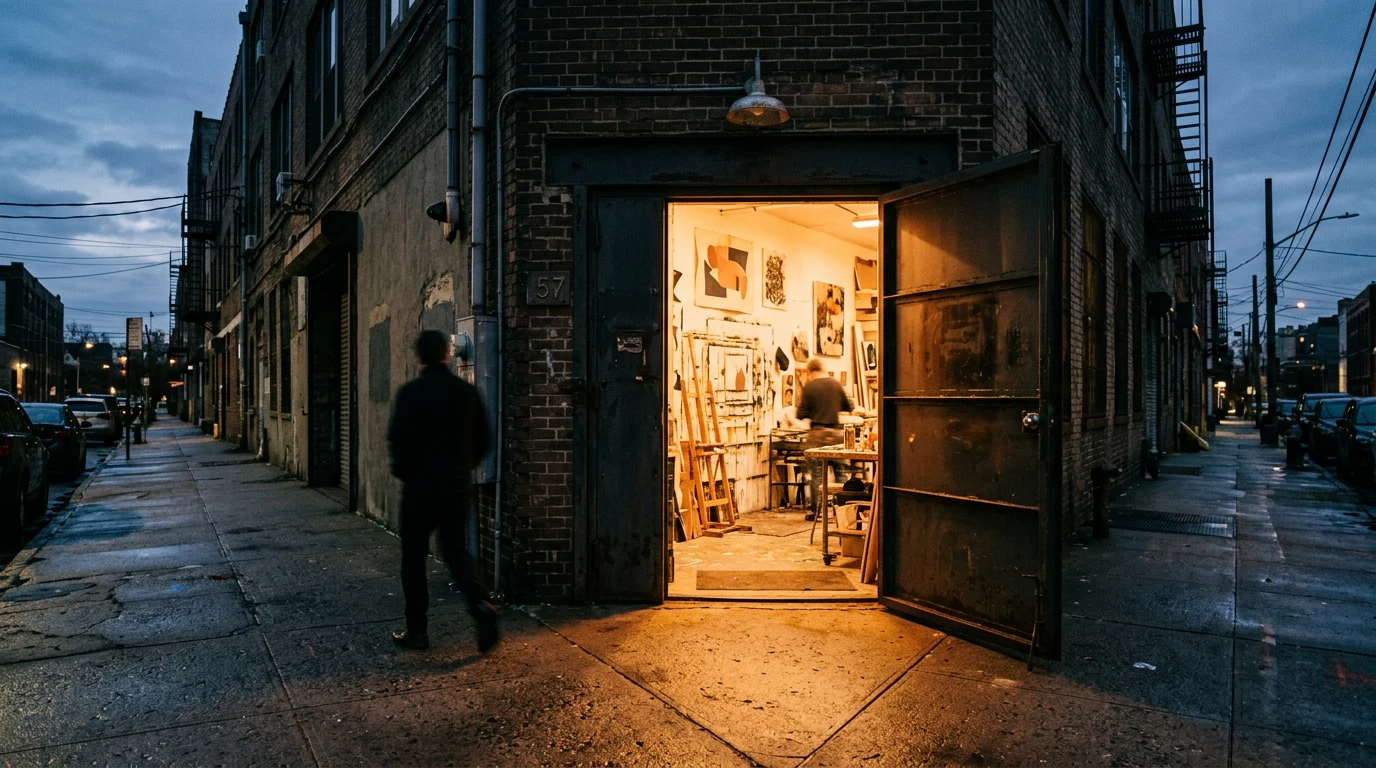
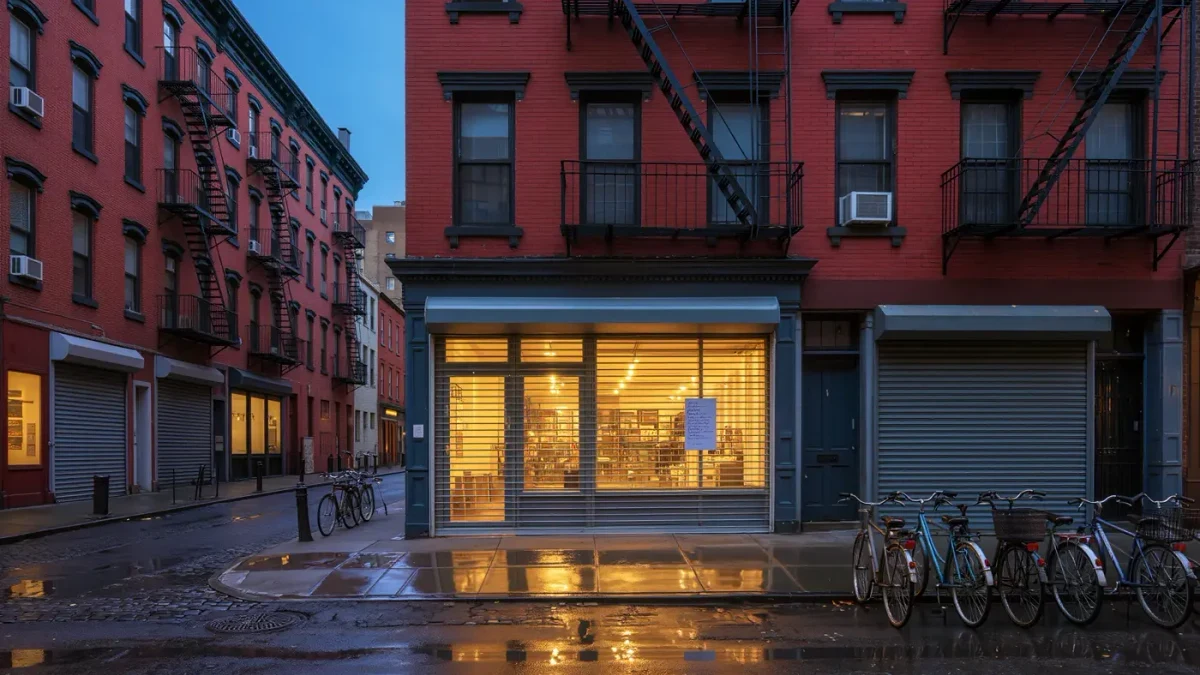
Small, young, and hungry, with a few veterans mixed in. Rooms here run from narrow street-level storefronts to second- and third-floor walk-ups above nail salons and dumpling counters, often one or two rooms total, showing ambitious emerging artists. Expect tighter hang, louder painting, lower price points, and directors who are also the founders. The scruff is the brand.
That scale shapes the art. A storefront room rewards work that declares itself from the sidewalk — big canvas, strong color, a sculpture in the window — and the neighborhood's shows have leaned that way for years. Program-wise, these galleries take the chances Chelsea second-guesses: unknown artists, odd mediums, group shows with arguments in them. The stakes are lower and the nerve is higher.
How do you plan the walk?
Weekend afternoon, with listings checked that morning. Many Lower East Side rooms keep afternoon hours from midday to six, on varying days, and a number have held their openings on Sunday evenings — a local rhythm worth confirming before going. Start at the New Museum when it opens, walk south, and let the storefront lights decide the route.
The walk itself is compact and flat, which makes it the friendliest gallery district in the city for improvising. Cross-check two or three names before leaving home, then expect to find rooms you did not plan on. Some of the best spaces are easy to miss — a buzzer, a stairwell, a hand-lettered sign. Look up while walking; half the scene sits above the ground floor.
Where should you eat and take breaks?
Essex Market on Essex Street is the natural refuel — a food hall with stalls, seating, and restrooms — and the old Russ and Daughters shop near Houston anchors the northern end with a century of smoked fish. Sara D. Roosevelt Park cuts north-south through the middle. Check hours; this guide is built from published sources, not a reported visit.
Do not overschedule the food. The pleasure of this walk is its looseness — a dumpling stop between two galleries, a bench in the park, coffee at the end. Everything on the route is close together, which is the whole argument for the neighborhood as a gallery district. In Chelsea the rooms are destinations. Here they are neighbors.
How does the LES differ from Chelsea?
Scale and metabolism. Chelsea rooms are caverns with staff; Lower East Side rooms are storefronts with founders. Chelsea's program answers to a global collector circuit; the LES answers to taste, nerve, and rent. Prices run lower, artists run younger, and the walk between rooms takes a minute instead of ten. Neither district is better. They are different sports.
For collectors, the LES is where first looks happen — the first solo show, the first modest but real purchase, the first chance to say you knew the work before the museum did. For artists, a storefront here is a career room, not a vanity one. The rent is brutal at any scale, which keeps everyone hungry and honest about what sells.
What is changing in the neighborhood?
Rents rose, and some of the scene moved on. The 2010s brought development around Essex Crossing and rising storefront leases, and a share of galleries decamped north to Tribeca's larger floors — the same loop that created the neighborhood. What stays is a core of believers, plus new rooms arriving faster than obituaries appear. Check the map before each visit.
None of this kills the walk; it just means the Lower East Side rewards repeat visits the way a good repertory cinema does — the program changes, the seats stay. Pair it with a Chinatown lunch and a Bowery museum hour and the day holds up against any art itinerary in the city. Bring comfortable shoes and no agenda. The blocks are short, the doors are close together, and the whole scene fits in an afternoon.
Frequently asked questions
How long does a Lower East Side gallery walk take?
Two to three hours at a comfortable pace, longer with a museum or lunch. The core runs about a dozen blocks from the Bowery to Essex Street, flat and walkable, with the densest cluster between Houston and Canal. Pick four or five galleries rather than attempting everything, and leave time to wander in between.
Is the Lower East Side gallery walk free?
The galleries are, yes — walk in during open hours, no tickets, no suggested donation. The New Museum on the Bowery charges admission and is worth an hour on its own. Everything else on the route costs nothing until you decide a painting should come home with you. Bring cash for lunch, not for the doors.
What subway stops work for the walk?
The F to Delancey Street or Essex Street drops you at the southern cluster, the B or D to Grand Street serves the middle, and the F to Second Avenue covers the northern end by Houston. The J, M, and Z also stop at Essex. Pick one end, walk the spine, and ride back from the other.
When are Lower East Side galleries open?
Mostly afternoons, with days varying by gallery — some close Mondays, others Sundays, and hours shift with seasons and shows. A number of rooms have held openings on Sunday evenings, so late Sunday can double as walk-plus-reception. Check each gallery's site or a current listing the morning you go. Hours here are hand-made, not standardized.
Can you buy art on the Lower East Side?
Yes, and the neighborhood is built for first purchases. Storefront galleries show emerging artists at price points far below Chelsea's, with works on paper and small canvases often in the four figures and sometimes well under. Ask at the desk — the person there is frequently the owner. Payment plans are common at this end of the market.