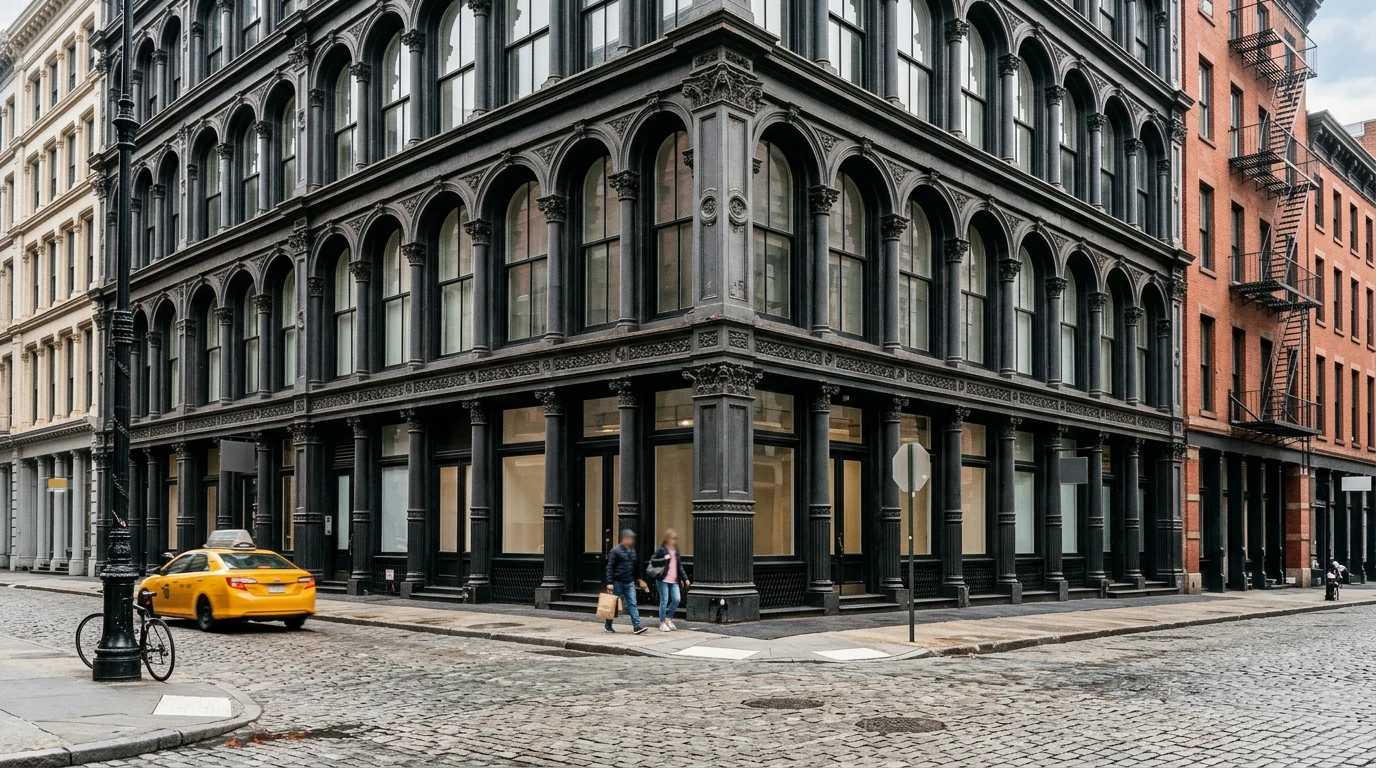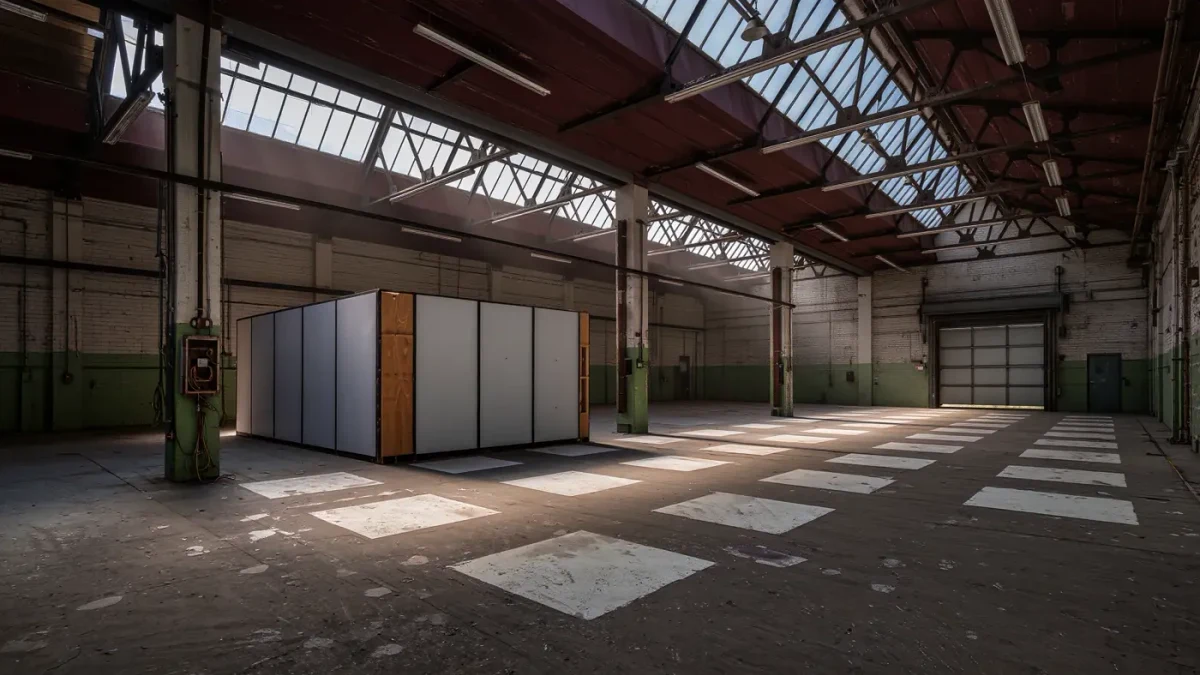
In 1982 New York State passed the Loft Law — Article 7-C of the Multiple Dwelling Law — legalizing the artists already living in Manhattan's commercial lofts and creating the New York City Loft Board to run the conversion. It is the most consequential studio legislation in city history, and its 2010s extensions reached North Brooklyn, Ridgewood and the Bronx.
The law's genius was ordering reality to catch up with artists who had already moved. For more than a decade, painters and sculptors had been doing the risky pioneering — carrying their lives up dark factory stairs, wiring their own lights, raising children in rooms the city officially considered industrial. The legislature did not lead that migration; it recognized it, and in doing so invented a legal category the city still uses: live-work space.
Why were artists living in factories illegally?
Because manufacturing left Manhattan after the war, and artists needed rooms the housing market would not give them — high ceilings, freight access, cheap square footage. SoHo's cast-iron upper floors sat empty and zoned for industry, so residency itself was the violation, and eviction was a phone call away.
The bargain was raw. Loft tenants paid rent for spaces with no leases, no heat guarantees, no residential services and no legal standing; landlords collected anyway. The city alternated between tolerance and crackdowns — fire inspections that emptied floors overnight, then quiet amnesties when whole neighborhoods depended on the tenants no lawful resident would replace. In 1971 the city created a partial fix, the Joint Living-Work Quarters for Artists provision, allowing artists certified by the city to live in their SoHo workspaces. But the buildings themselves were still not legal residences, so the fundamental problem outlived the reform.
What did the 1982 Loft Law actually do?
Article 7-C converted an occupancy crime into a legal status. Lofts occupied as homes by a 1980 deadline gained protection from eviction, owners were obliged to bring their buildings up to residential code, and the new Loft Board wrote the rules and policed the process. Legalized units generally entered rent regulation.
The design mattered as much as the goal. Nobody would be evicted while the paperwork crawled, which took years — sometimes decades — for some buildings; owners carried legalization duties with mechanisms to recover costs that tenants and their lawyers contested case by case; harassment of protected loft tenants became a violation the Board could pursue. It was slow, litigious and imperfect. It was also a deliberate refusal to solve a housing crisis by evicting the people who had stabilized the neighborhood in the first place — a choice cities still struggle to make.
Who runs the Loft Law today?
The New York City Loft Board, a mayoral agency, still administers the program: it keeps the register of covered buildings, processes legalization applications, arbitrates disputes between loft tenants and owners, and enforces anti-harassment rules. Its docket moves slowly, but the protections it administers remain real for the buildings on its list — several hundred, by the Board's own tallies.
Day to day, the Loft Board's work is unglamorous and load-bearing: deadlines extended, legalization plans reviewed, rent adjustments fought over line by line. For a loft tenant facing pressure to leave a building worth more empty, the Board's coverage is the difference between a negotiation and a surrender. That is the quiet point of the whole apparatus — it keeps disputes inside a process instead of inside a landlord's discretion.
How did the 2010 expansion change things?
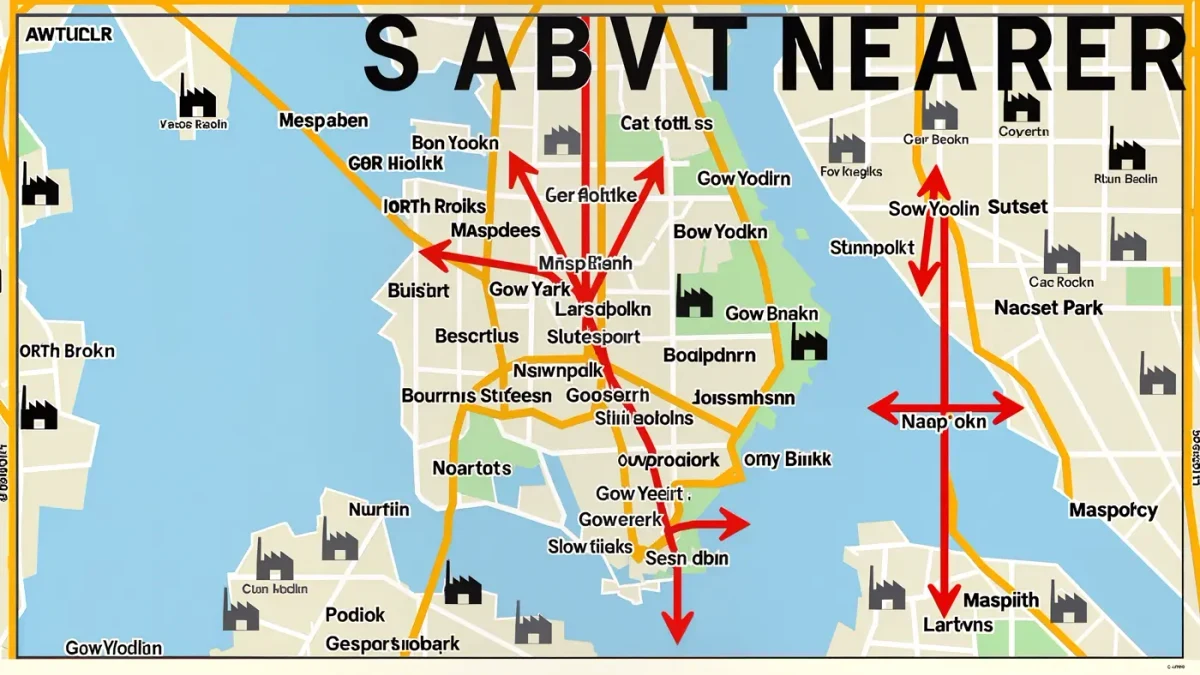
The legislature extended Article 7-C beyond Manhattan to parts of Brooklyn, Queens and the Bronx — North Brooklyn around Williamsburg and Greenpoint, Ridgewood and Maspeth blocks in Queens, and sections of the South Bronx. Lofts occupied as residences since the early 1980s could seek coverage; the filing window, extended repeatedly as legislators argued, finally closed in 2015.
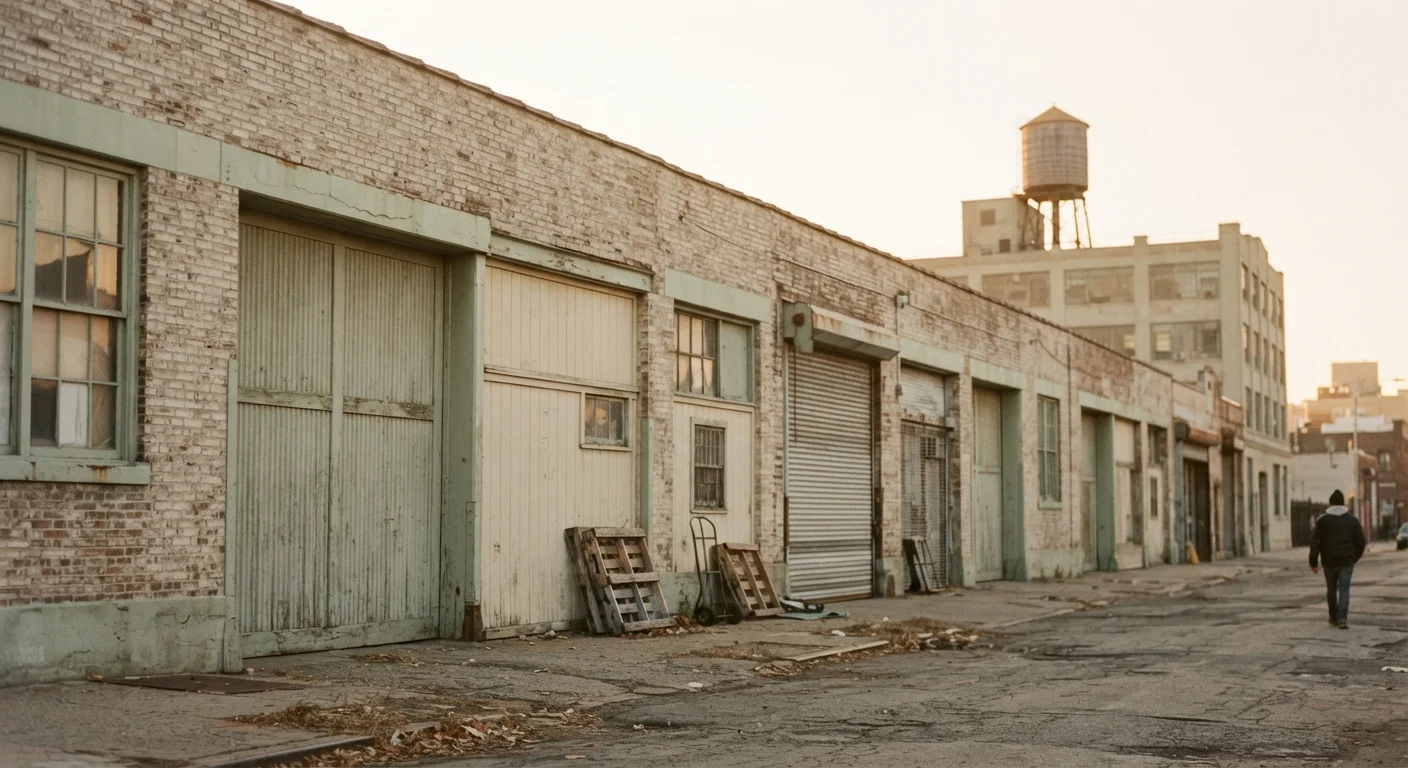
The expansion recognized that the story had simply changed boroughs. A generation after SoHo, artists were again living in manufacturing buildings beyond the law's original Manhattan map, again without certificates of occupancy, again one inspection away from the street. Coverage brought those tenants eviction protection and a legalization path — and brought owners obligations many resisted, with outcomes that varied building by building. The registration numbers fell short of early estimates, but for the lofts that registered, the 2010 amendment did what the original had done: it traded illegal occupancy for a legal process.
What is the Loft Law's legacy for studios now?
It proved that housing law could follow artists instead of punishing them, and it left behind a stock of legal live-work lofts that still houses working artists amid some of the most expensive blocks in the world. Its architecture — coverage, legalization, anti-harassment, a dedicated board — remains the template cited whenever the city argues about live-work space again.
The echoes keep arriving. The city's 2021 rezoning of SoHo and NoHo loosened the artist-certification rules that grew up alongside the Loft Law era, allowing more residential conversion in neighborhoods artists made livable, while existing joint living-work quarters keep their own rules. And every current fight over studios displaced by rezoning or sale replays the same lesson the 1982 law encoded: recognize the people in the building, or lose both the buildings and the people. New York tried eviction for a decade and lost; the Loft Law is the receipt.
Frequently asked questions
Does the Loft Law still protect tenants?
Yes. The New York City Loft Board continues to administer Article 7-C coverage for registered buildings — eviction protection, legalization oversight and anti-harassment enforcement among its tools. Tenants in covered lofts hold rights the market cannot price away, which is precisely why the coverage list matters so much.
Can a building join the Loft Law today?
No new building can register now. The original 1982 coverage period and the extended filing window for Brooklyn, Queens and the Bronx — repeatedly prolonged by the legislature before closing in 2015 — have both ended. Buildings that registered in time keep their coverage; latecomers remain outside the program.
What does the NYC Loft Board actually do?
It maintains the register of covered loft buildings, reviews legalization plans, arbitrates tenant-owner disputes, and enforces the article's anti-harassment provisions. Its rulings bind the parties in covered buildings. Think of it as a small, specialized housing court for a specific, dwindling and fiercely protected category of live-work tenancy.
Do artists still need certification to live in SoHo lofts?
Historically, yes — the city's artist certification governed joint living-work quarters in SoHo for decades. The 2021 SoHo and NoHo rezoning loosened certification requirements for many new conversions, while older JLWQA units retain their rules. The requirement's long run remains a strange civic experiment: a city licensing artists.