An artist studio lease in New York should pin down permitted use in writing, a fixed term with a renewal option, every pass-through stacked on top of rent, who signs personally, and what must be restored at the end. Most studio deals start from commercial forms like the Real Estate Board of New York's standard lease, drafted for the landlord.
That last fact sets the tone for every negotiation. A Bushwick garage or a Long Island City floor-through is a commercial tenancy in the eyes of New York law, which strips away the protections apartment renters take for granted — no warranty of habitability, no rent stabilization, no statutory renewal right unless the paper grants one. Everything is negotiable precisely because nothing is automatic. Art Real NY publishes information, not legal advice; for a specific lease, talk to a lawyer or to the long-running Volunteer Lawyers for the Arts, which has advised the city's artists on exactly these documents for decades.
Is an artist studio lease commercial or residential?
Commercial, in nearly every case. Work-only studios sit in manufacturing, commercial or mixed-use buildings, and New York treats them as business tenancies — apartment protections do not follow the artist through the door. The main exception is a live-work loft covered by the 1982 Loft Law, which the New York City Loft Board oversees as lawful residential space.
The distinction sounds technical until it isn't. A commercial tenant's remedies live almost entirely in the four corners of the lease, so the document carries the weight a statute would carry elsewhere. Reading it that way — as the whole constitution of the tenancy, not a formality — is the first protective act an artist can perform, and it costs nothing.
What clauses protect a studio tenant in New York?
The strongest protections are negotiated, not statutory: a use clause that names art-making explicitly, a renewal option locking a second term, caps on pass-throughs, defined access hours, and a surrender clause limited to ordinary broom-clean condition. Notice periods and dispute venue matter too, because they set who holds leverage when the relationship sours.
Think of the lease as a machine that runs for years without supervision. Each clause is a part that either works quietly or fails loudly at the worst moment. Access hours decide whether a painter can keep a night schedule before a show. The renewal option decides whether an artist amortizes a build-out over two terms or gambles on one. Quiet enjoyment decides what happens when the landlord's cousin starts storing motorcycles in the shared hall.
- Use clause naming art production, and any welding, kilns or spray finishing specifically.
- Fixed term of two to five years, with a stated renewal option and renewal rent.
- Caps and itemization requirements on every pass-through category.
- Access hours matching the artist's actual working rhythm, in writing.
- Surrender standard no stricter than broom-clean, ordinary wear accepted.
What is a use clause and why does it matter?
The use clause states what may lawfully happen inside the room. The words artist studio should appear in writing, and if the practice involves welding, kilns, spray finishing, woodworking dust or resin casting, those activities belong in the clause too. Vague language invites a landlord's later objection — or a Fire Department citation.
Buildings carry certificates of occupancy that limit lawful activity, and New York City Fire Department rules cap quantities of flammable liquids stored outside approved cabinets. A studio doing occasional spray work in a building certified for light storage is running a quiet mismatch that a neighbor's complaint or an inspection can surface at any time. Naming the true use early forces that conversation into the lease negotiation, where it is cheapest to have. It also matters for the hybrid futures artists keep — teaching classes, hosting shoots — each of which is a use question before it is a business question.
Who pays for walls, ventilation and other build-outs?
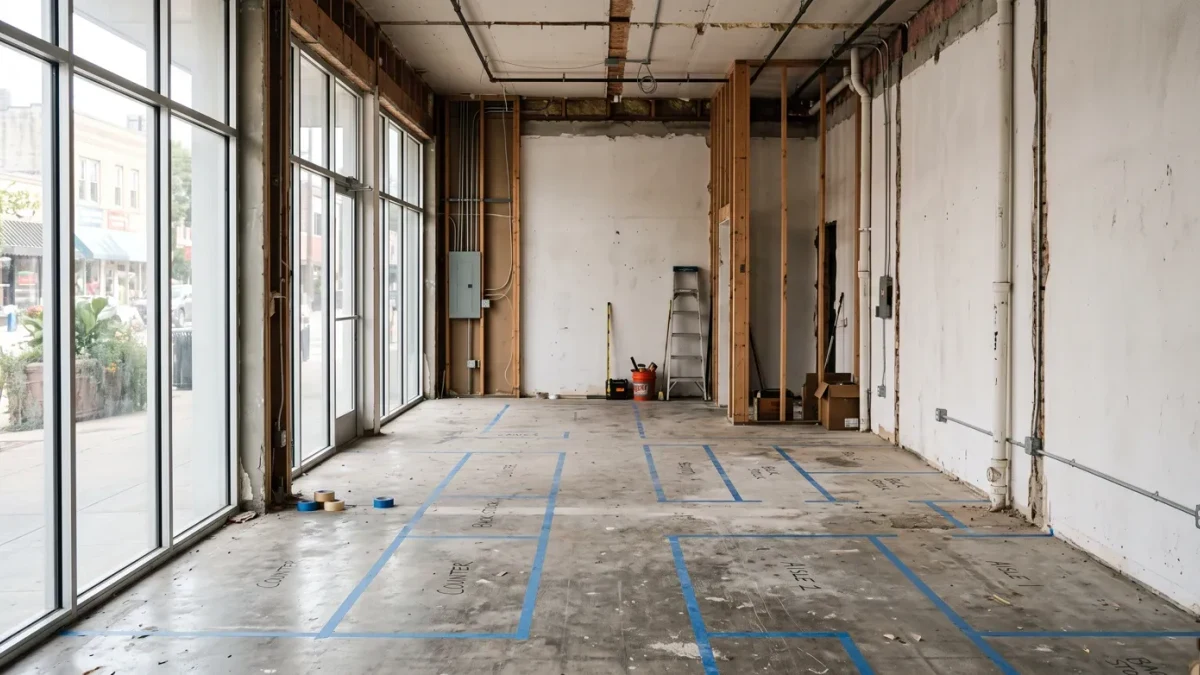
Usually the tenant, which is why the alteration clause deserves a slow read. It should permit routine improvements — partitions, exhaust fans, track lighting, wall anchors — say whether landlord consent is needed, and define who owns the improvements when the lease ends. A full restoration clause can erase a year of investment in one moving day.
Sensible trades exist. A tenant signing a longer term can argue the landlord should share build-out costs or grant free months; a tenant investing heavily can negotiate the improvements' ownership and a cap on removal obligations. Whatever the deal, photograph the space before moving in — floors, walls, meters, existing damage — and keep the file. Condition disputes are settled by documentation, and the tenant who has it usually wins them.
What are escalations and pass-throughs on a studio lease?
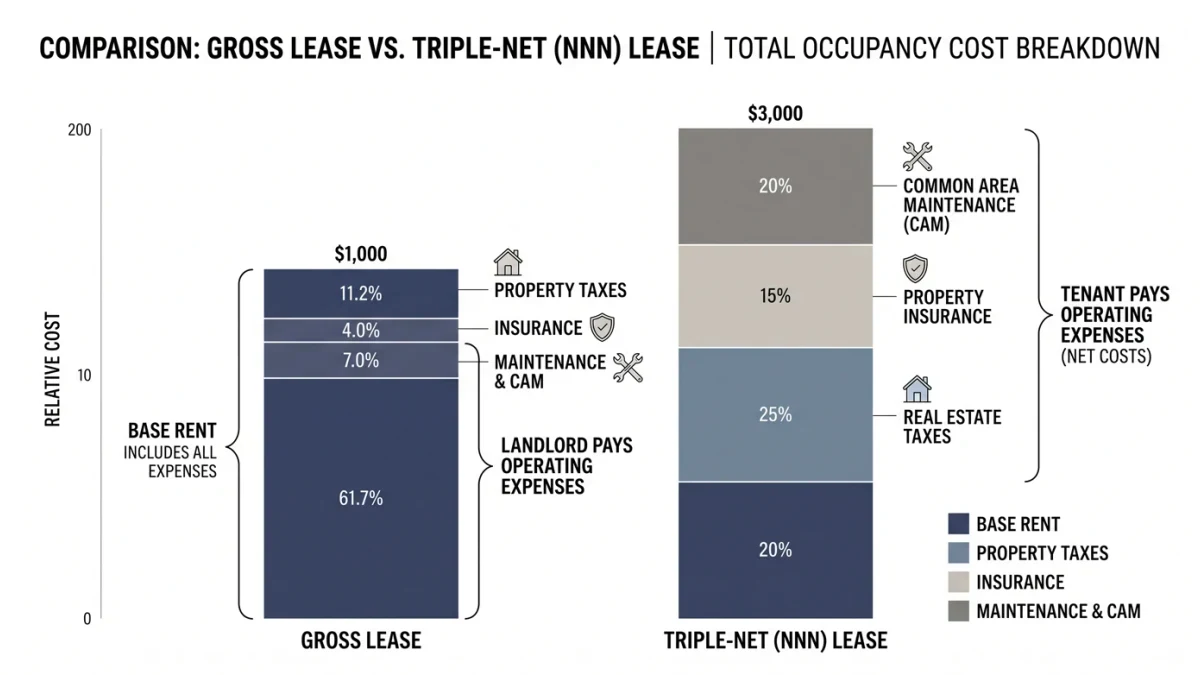
Escalations are built-in annual increases, usually a fixed percentage written into the rent schedule. Pass-throughs are the landlord's real estate taxes, insurance and common-area charges billed on top, often with an administrative fee attached. A lease should cap each category and require itemized statements, or the first January bill arrives and delivers the real rent.
Two habits keep pass-throughs honest. First, ask for the last two years of actual charges on the unit — a landlord reluctant to show history is telling you something. Second, watch the tax line specifically, because a building sale can trigger a reassessment that doubles it, and leases without a cap pass that spike straight through to the tenant. The percentage escalation deserves arithmetic, not vibes: run the full term at the stated increase and look at the number at the end, not the number at signing.
What should artists watch in deposits, guaranties and exit terms?
Three things: the deposit's return deadline, the personal guaranty's reach, and the surrender standard. New York commercial leases often carry one-way attorneys' fees clauses and sometimes a confession-of-judgment provision. Where a guaranty is unavoidable, the negotiated good-guy version — limited to unpaid rent and ended by returning the space clean — is the saner compromise available.
Shared studios should read the joint-and-several line twice, because it can make each co-tenant responsible for everyone's rent. And the exit deserves as much planning as the entrance: notice deadlines, deposit return timelines, the condition walkthrough, the freight elevator booking. Studios that document their tenancy from day one tend to leave it with their deposits and their nerves intact. The lease is the only artwork in the room that everyone signs; treat it like one.
Frequently asked questions
Can I live in my art studio in New York?
Only if the space is lawfully residential or covered live-work space. Sleeping in a commercial studio violates the certificate of occupancy and the lease, and it can end in eviction and fines. Lawful live-work tenancies largely trace to buildings covered by the 1982 Loft Law, and a few zoning districts allow artist live-work quarters by design.
Do artists need a lawyer for a studio lease?
For anything longer than a month-to-month desk, yes — or at minimum a review through Volunteer Lawyers for the Arts. An hour spent on escalations, guaranties and surrender terms costs less than one misjudged pass-through year. Landlords negotiate from standard forms; tenants should arrive knowing what those forms assume.
What is a good-guy guaranty on a studio lease?
A narrowed personal guaranty. The guarantor owes unpaid rent only up to the day the space is returned vacant and in the agreed condition, rather than the full remaining term. New York landlords have accepted this compromise for decades because it guarantees an orderly exit instead of a hostage standoff over a broken lease.
Can a studio landlord raise the rent mid-lease?
Not the base rent during a fixed term, but pass-throughs can move sharply, and month-to-month tenancies can be repriced or ended on about a month's notice. That is the practical argument for the longest affordable fixed term with a stated renewal rent — predictability is the entire product being purchased.